 By admin
 In our screen-centric world, prolonged digital engagement, extensive reading, or daily environmental stressors often leave us with a sense of ocular fatigue. This manifests as dryness, subtle irritation, a heavy sensation, or general eye strain, transforming simple tasks into demanding efforts. Such persistent discomforts can insidiously impact focus, overall mood, and even sleep patterns. While adequate rest and healthy habits are foundational, many individuals actively seek gentle, natural solutions to promote eye relaxation and comfort. This is precisely where a seemingly unassuming plant, Euphorbia hirta, often referred to as Asthma Weed, enters the discussion. Revered for centuries in traditional healing systems for its potential soothing attributes, its rich history transcends modern trends. Join us as we delve into its deeply rooted cultural significance and explore informed, safe methods of its traditional application.
What is Euphorbia hirta? Introducing the Resilient Asthma Weed
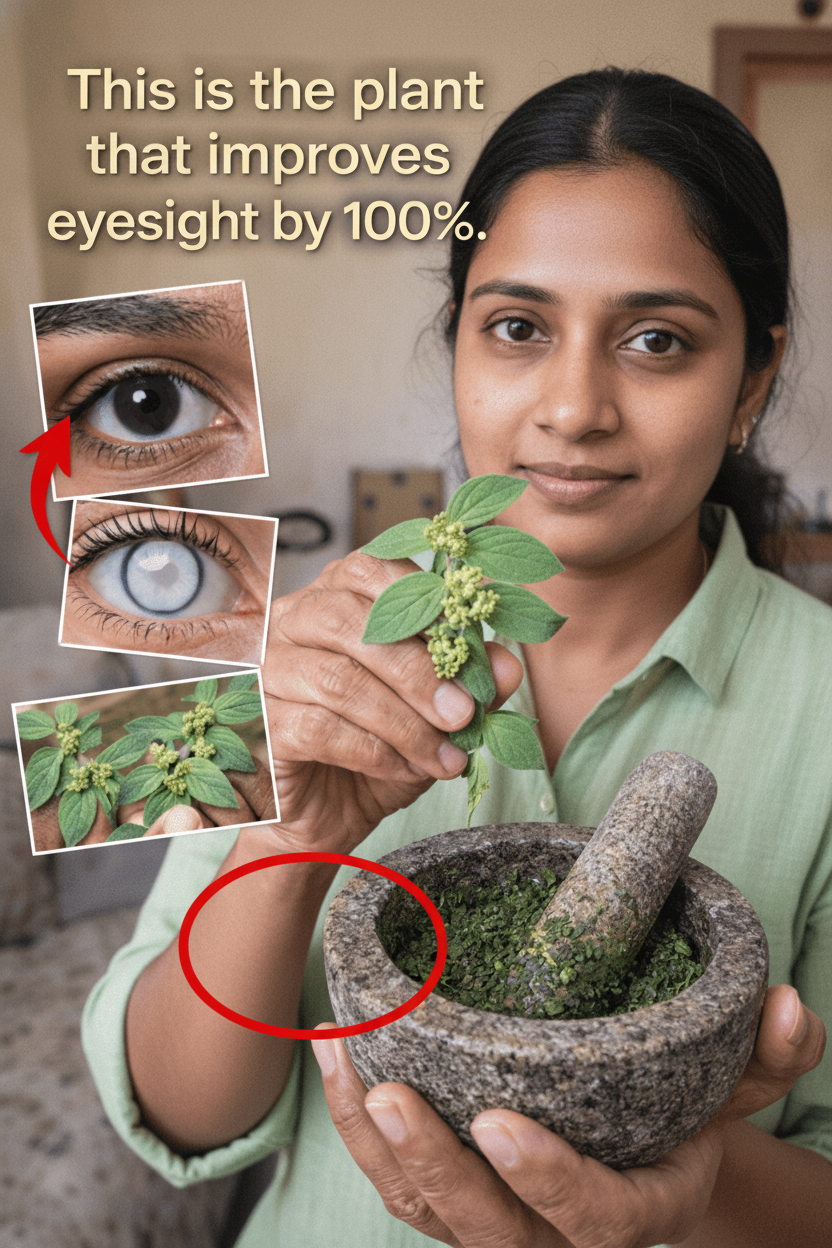
Euphorbia hirta, widely recognized as Asthma Weed, Tawa-tawa, or Garden Spurge, is a diminutive annual herb belonging to the Euphorbiaceae family. This resilient plant flourishes spontaneously across tropical and subtropical zones, encompassing vast areas of Asia, Africa, and the Americas. It commonly colonizes diverse environments such as home gardens, roadsides, agricultural lands, and other disturbed terrains.
Identifying Euphorbia hirta is straightforward, thanks to several distinguishing characteristics:
- Leaves: Small and oval, often presenting a subtly hairy surface.
- Venation: A prominent reddish vein typically courses down the central axis of each leaf.
- Flowers: Minute and aggregated into dense clusters.
- Stems: Possess a characteristic pinkish or reddish hue.
- Sap: Breaking a stem or leaf reveals a milky white latex, a hallmark of the Euphorbia genus.
Typically growing to a modest height of up to 40 cm, this ground-hugging plant thrives in warm, adequately moist conditions. Despite its humble appearance, Euphorbia hirta holds a significant and long-standing position in traditional herbal practices globally, particularly for its potential health benefits.
Why Traditional Practices Esteem Euphorbia hirta for Eye Comfort
Across numerous traditional medicinal systems, notably prevalent in regions of Asia and Africa, Euphorbia hirta has garnered recognition for its inherent cooling and soothing attributes. Ancient folklore and accumulated generational wisdom frequently associate this herb with promoting relaxation around the eyes, particularly in instances of daily visual fatigue or minor external irritations. Scholarly reviews of ethnobotanical literature underscore its historical application for symptoms associated with conditions such as conjunctivitis or various eyelid concerns. Crucially, these traditional remedies almost exclusively involve external preparations, strictly avoiding direct ophthalmic application.
It is imperative to note that the characteristic milky sap of Euphorbia hirta, common to the Euphorbia family, contains compounds known to be potential irritants. Consequently, traditional methodologies have consistently stressed the importance of meticulous, external-only usage to ensure safety and efficacy in natural eye care.
The Scientific Glimpse into Euphorbia hirta‘s Supportive Properties
Contemporary scientific investigations have delved into the rich phytochemical profile of Euphorbia hirta, identifying key natural compounds such as flavonoids, phenolic compounds, and terpenoids. Preliminary laboratory research indicates significant antioxidant activity, suggesting a potential role in safeguarding cellular health against daily oxidative stress. Furthermore, studies conducted across various models have demonstrated notable anti-inflammatory effects. For instance, ethanolic extracts of the plant have been observed to mitigate nitric oxide production and modulate inflammatory pathways in cellular assays.
These compelling preliminary findings lend scientific credence to the traditional emphasis on the plant’s soothing qualities. However, it is vital to acknowledge that while promising, comprehensive human clinical trials are still required to fully elucidate and validate its therapeutic role in eye comfort and overall well-being. The enduring value of Euphorbia hirta truly blossoms when considering the thoughtful and time-tested methods of its traditional application.
Traditional Applications of Euphorbia hirta for Enhanced Relaxation
Throughout history, traditional healers and communities have developed specific, cautious methods for utilizing Euphorbia hirta to support relaxation and comfort. When exploring these practices, always prioritize safety and consider consulting a qualified healthcare professional or experienced herbalist.
Commonly cited external traditional methods include:
- Warm Leaf Compress: This method involves gently washing fresh Euphorbia hirta leaves, warming them slightly (ensuring they are never hot), and then carefully placing them over closed eyelids. Applied for approximately 10–15 minutes, this compress is traditionally believed to foster muscle relaxation and alleviate visual fatigue after extended periods of strain.
- Mild Herbal Infusion: For broader systemic support, a very diluted tea can be prepared from the aerial parts of the plant. Consumed occasionally, this herbal infusion is thought to contribute to overall vitality and balance, which might indirectly enhance feelings of comfort.
- Gentle Leaf Paste: Clean leaves are crushed into a soft paste, which is then applied sparingly to the temples or the skin surrounding the eyes. It is crucial to emphasize that this paste should never be applied directly into the eyes. This application is valued for its traditional cooling and soothing sensation.
These traditional approaches consistently underscore the critical importance of strictly external and cautious application, primarily to mitigate any potential irritation from the plant’s natural sap. Each method offers a distinct benefit:
- The warm compress is often favored for immediate, localized relaxation, particularly after screen exposure.
- The herbal infusion aims for general well-being and balance when used judiciously.
- The paste application provides a targeted cooling effect to external areas around the eyes.
Safe and Responsible Exploration of Euphorbia hirta
For those interested in exploring the traditional uses of Euphorbia hirta, a responsible and cautious approach is paramount. Begin with these essential steps to ensure safety:
- Accurate Identification: Before any use, it is absolutely critical to correctly identify the plant. Look for the distinctive hairy, oval leaves, the characteristic reddish central vein, and the milky white sap that emerges when a stem or leaf is broken. Misidentification can lead to adverse effects.
- Sensitivity Testing: Always perform a patch test before applying any preparation to a larger area. Apply a tiny amount of the prepared solution (e.g., diluted infusion or paste) to a small, inconspicuous patch of skin, like the inner forearm. Wait 24 hours to observe for any signs of irritation, redness, or allergic reaction.
- Consult a Professional: Especially if you have existing health conditions, are pregnant or breastfeeding, or are on medication, consult with a qualified healthcare provider or a knowledgeable herbalist before incorporating Euphorbia hirta into your routine. They can offer personalized advice and ensure there are no contraindications.
- Strictly External Use (for eye comfort): Reiterate the importance of never applying the plant or its preparations directly into the eyes. Traditional uses for eye comfort are exclusively external, focusing on the surrounding skin or via compresses over closed eyelids.
- Source Responsibly: If not harvesting wild, ensure any Euphorbia hirta products are sourced from reputable suppliers who can verify the plant’s identity and purity.
By adhering to these guidelines, you can explore the traditional wisdom surrounding Euphorbia hirta in a safe and informed manner, respecting both the plant’s potential and your own well-being.