 By admin
 Embrace Longevity: Simple Daily Habits for Healthy Aging and Enhanced Well-being
Journeying through life often brings noticeable shifts: perhaps a dip in energy levels or skin that seems to lose its youthful radiance. Such changes can leave us feeling disheartened, even disconnected from our younger selves. Frequently, these subtle transformations are the cumulative result of daily stressors and overlooked routines that gradually erode our overall well-being. But what if you could integrate minor, achievable adjustments into your day that actively support your body’s innate regenerative capabilities? These aren’t drastic measures, but rather straightforward practices supported by extensive lifestyle research. Continue reading, as we’ll explore key habits, and I’ll hint at a surprising practice that underpins sustained vitality, helping you rediscover your zest for life.
The Compounding Power of Consistent Daily Habits for Lasting Wellness
Even seemingly minor adjustments to your daily regimen possess remarkable cumulative power. Studies from reputable organizations, such as the National Institutes of Health, consistently demonstrate that sustained healthy lifestyle choices significantly influence our physiological resilience against daily stressors and the natural aging process. Beyond merely counteracting wear and tear, actively adopting these habits provides a foundational uplift to your entire system. Consider the analogy of cultivating a flourishing garden: consistent, mindful care inevitably fosters robust growth and vibrant health. Our focus here isn’t on radical, unsustainable transformations, but rather on integrating practical, enduring actions that effortlessly blend into your existing routine, paving the way for sustained well-being.
Energize Your Mornings: Smart Nutritional Starts
Prioritize Protein and Healthy Fats for Breakfast
Kickstarting your morning with a meal rich in both protein and healthy fats can profoundly influence your day’s trajectory. Key nutrient sources include eggs, a variety of nuts, or creamy avocados. For an actionable idea: prepare a quick scramble with two eggs and fresh spinach, complemented by a small handful of almonds. This nutritious combination is remarkably simple and quick to assemble. Numerous nutritional reviews highlight that such balanced breakfasts are instrumental in sustaining stable energy levels throughout your entire day, preventing those mid-morning slumps.
Embrace the Daily Lemon Water Ritual
Initiating your day with a glass of warm lemon water establishes a wonderfully refreshing habit. Lemons are a potent source of Vitamin C, a vital nutrient that underpins a multitude of bodily functions. To implement this: simply squeeze half a fresh lemon into approximately 8 ounces of warm water. Consume it slowly prior to your breakfast. Broader wellness recommendations consistently underscore the critical role of hydration, and incorporating lemon offers a delightful and beneficial twist to this essential practice.
Integrate Mindful Movement into Your Daily Routine
Commit to 20+ Minutes of Daily Walking
Stepping outdoors for a brisk walk is an excellent way to revitalize your daily schedule. Target a minimum of 20 minutes, perhaps during your lunch break or as a post-dinner activity. To make this actionable: utilize a smartphone app to monitor your steps and progress. Begin with brief circuits within your local neighborhood. Extensive research in exercise physiology confirms that consistent walking profoundly benefits cardiovascular health and enhances overall physical mobility, contributing significantly to healthy aging.
Cultivate Calm with Deep Breathing or Meditation
Allocating a few moments for deep breathing exercises or a brief meditation session can profoundly ground your mind. Even a mere five minutes each day yields benefits. Here’s a simple technique: find a comfortable seated position, inhale deeply for a count of four, hold your breath, then slowly exhale. Repeat this sequence several times. Research into mindfulness, notably from institutions like Harvard Health, consistently indicates that this practice is highly effective in mitigating daily tensions and promoting mental clarity.
Enhance Rest and Recovery: Your Evening Wind-Down Rituals
Schedule Your Final Meal 2-3 Hours Before Sleep
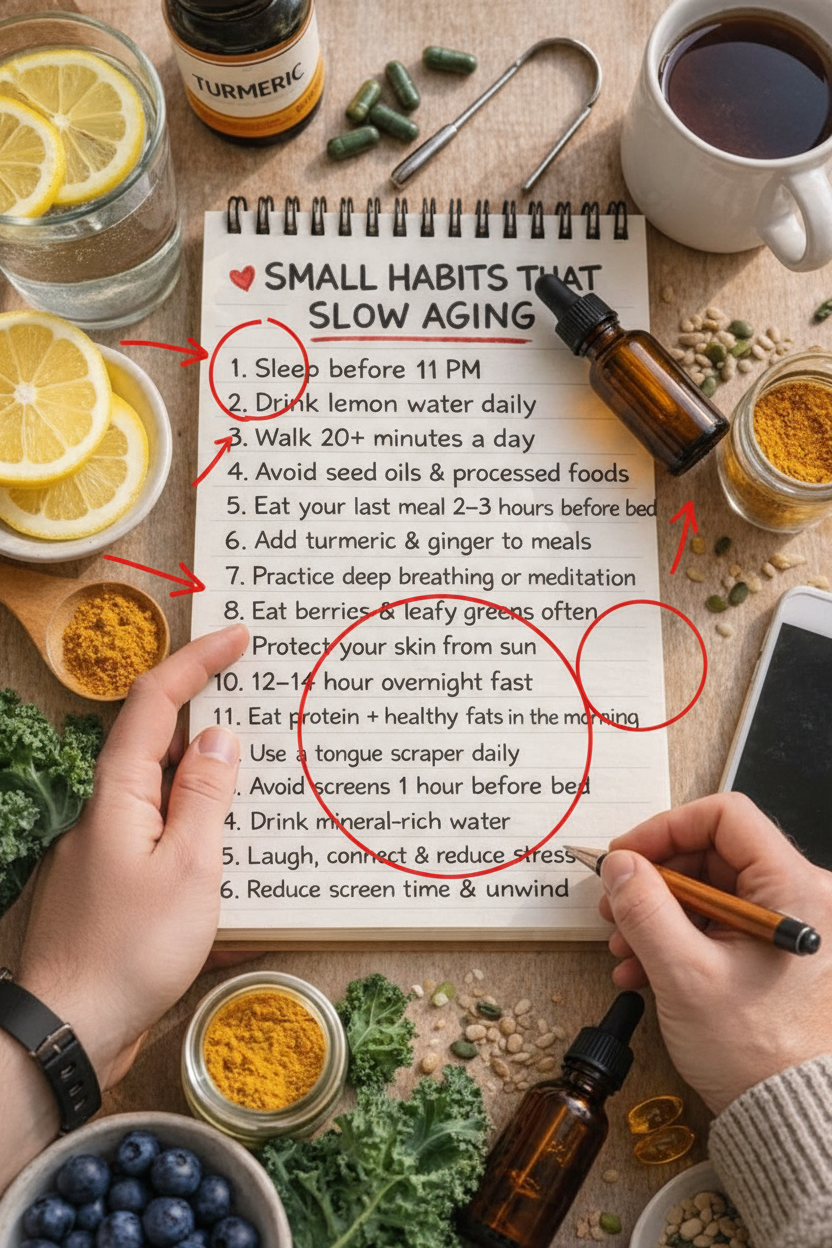
Allowing your digestive system adequate time to rest before sleep is a strategic decision for optimal well-being. Conclude your dinner early to facilitate uninterrupted restorative sleep. A practical guideline: aim to finish your last meal by 7 PM if your intended bedtime is 10 PM. Experts in digestive health emphasize that this specific timing harmonizes effectively with your body’s innate circadian rhythms, promoting better digestion and sleep quality.
Power Down: Avoid Screens One Hour Before Bedtime
Actively reducing exposure to digital screens approximately an hour before you intend to sleep serves as a powerful signal to your body that it’s time to wind down. The blue light emitted from these devices is known to interfere with natural sleep-wake cycles. As an alternative: immerse yourself in a good book or engage in journaling. This intentional transition naturally guides you into a state of relaxation. Extensive sleep research, including findings from the Sleep Foundation, strongly correlates improved sleep quality with the absence of late-night screen exposure.
Prioritize Sleep Before 11 PM for Deeper Restoration
Striving for a bedtime before 11 PM is crucial for maximizing your body’s most restorative sleep cycles. Establishing consistency in this habit is paramount. Consider this routine idea: set a subtle alarm as a reminder to begin your wind-down process, perhaps by enjoying a calming herbal tea. Numerous studies on circadian rhythms consistently underscore the profound benefits of earlier sleep schedules for comprehensive physical and mental recovery, directly impacting healthy aging.
Nourish Your Body: Emphasize Nutrient-Dense Foods
Incorporate Turmeric and Ginger into Your Diet
Elevating your culinary creations with spices like turmeric and ginger not only enhances flavor but also introduces a wealth of potential health benefits. These versatile roots are staples across diverse global cuisines. For effortless integration: grate fresh ginger into your stir-fries or prepare a soothing turmeric tea. Extensive antioxidant research, published in journals such as Phytotherapy Research, delves into the significant roles these ingredients play in promoting daily well-being and supporting healthy aging.
Regularly Consume Berries and Dark Leafy Greens
Superfoods like blueberries and nutrient-dense greens such as kale are powerhouses of essential vitamins and dietary fiber. Seamlessly integrate them into your diet by adding them to smoothies or fresh salads. Here’s a quick idea: blend a handful of mixed berries with yogurt for a refreshing snack, or simply incorporate a generous serving of greens into your lunch meals. Nutritional analyses, including those from the USDA, consistently underscore their invaluable contribution to achieving a truly balanced and health-promoting dietary intake.
Minimize Seed Oils and Ultra-Processed Foods
Consciously choosing whole, unprocessed foods over highly refined items is a fundamental step towards simplifying and optimizing your dietary approach for long-term health. This shift not only supports digestive health but also reduces exposure to artificial ingredients and unhealthy fats, crucial for healthy aging.
Embracing these straightforward daily habits—from nutritious mornings and regular movement to restorative evenings and whole-food nutrition—lays a robust foundation for supporting healthy aging and enhancing your overall well-being. These aren’t just isolated actions; they are interconnected steps that collectively empower your body’s natural resilience. While we’ve covered many impactful practices, remember that the journey to lasting vitality is ongoing. The ‘unexpected habit’ we hinted at earlier often involves a deeper connection to self-care and continuous learning, which underlies all these practices. By consistently integrating these small, sustainable changes, you’re not merely adding years to your life, but adding life to your years, fostering a vibrant, healthier future.