 By admin
 Peripheral neuropathy, a condition characterized by nerve damage outside the brain and spinal cord, increasingly affects individuals as they age, frequently manifesting first in the extremities like the feet and hands. Many adults over 60 often attribute unusual sensations such as tingling, numbness, or discomfort to the natural process of aging or circulatory issues. However, contemporary research indicates that this neurological condition can significantly affect a substantial segment of the senior population, potentially leading to difficulties with balance, daily mobility, and overall quality of life. Dismissing these subtle bodily changes can allow the underlying issues to worsen unnoticed. This comprehensive article delves into crucial indicators of peripheral neuropathy, supported by medical understanding, underscores the importance of early recognition, and provides actionable advice for engaging with your healthcare provider. Pay close attention to one specific symptom, often overlooked, which could signal unexpected underlying health risks.
The Silent Impact: Why Peripheral Neuropathy Often Goes Unnoticed in Later Life
For many individuals navigating their sixties and beyond, common bodily discomforts or persistent tiredness are frequently perceived as an inevitable aspect of the aging process. However, scientific studies consistently reveal that peripheral neuropathy impacts a significant proportion of older adults. For instance, a 2025 study employing the Michigan Neuropathy Screening Instrument reported a prevalence rate of approximately 62% among very elderly individuals (with a median age of 84), even in those not diagnosed with diabetes. Other analyses estimate this condition affects 26-39% of people aged 70 and above, with rates climbing further with advancing age, influenced by factors such as natural age-related nerve alterations, co-existing medical conditions, or lifestyle choices. This form of nerve damage specifically impairs the peripheral nerves, which extend beyond the central nervous system, typically commencing in the body’s longest nerves—those reaching the extremities like the toes and fingers. The initial signs of neuropathy often emerge insidiously, making them simple to disregard. If left unaddressed, this condition can lead to diminished mobility, an elevated risk of falls, and even minor injuries that go undetected. Research consistently correlates untreated peripheral neuropathy with an increased incidence of falls and a decline in the overall quality of life for senior populations. The encouraging news is that recognizing these symptom patterns early facilitates more effective dialogues with healthcare professionals. Many individuals experience substantial improvement through lifestyle modifications or specific medical interventions once the condition is properly diagnosed.
Understanding Peripheral Neuropathy: The Core Mechanisms
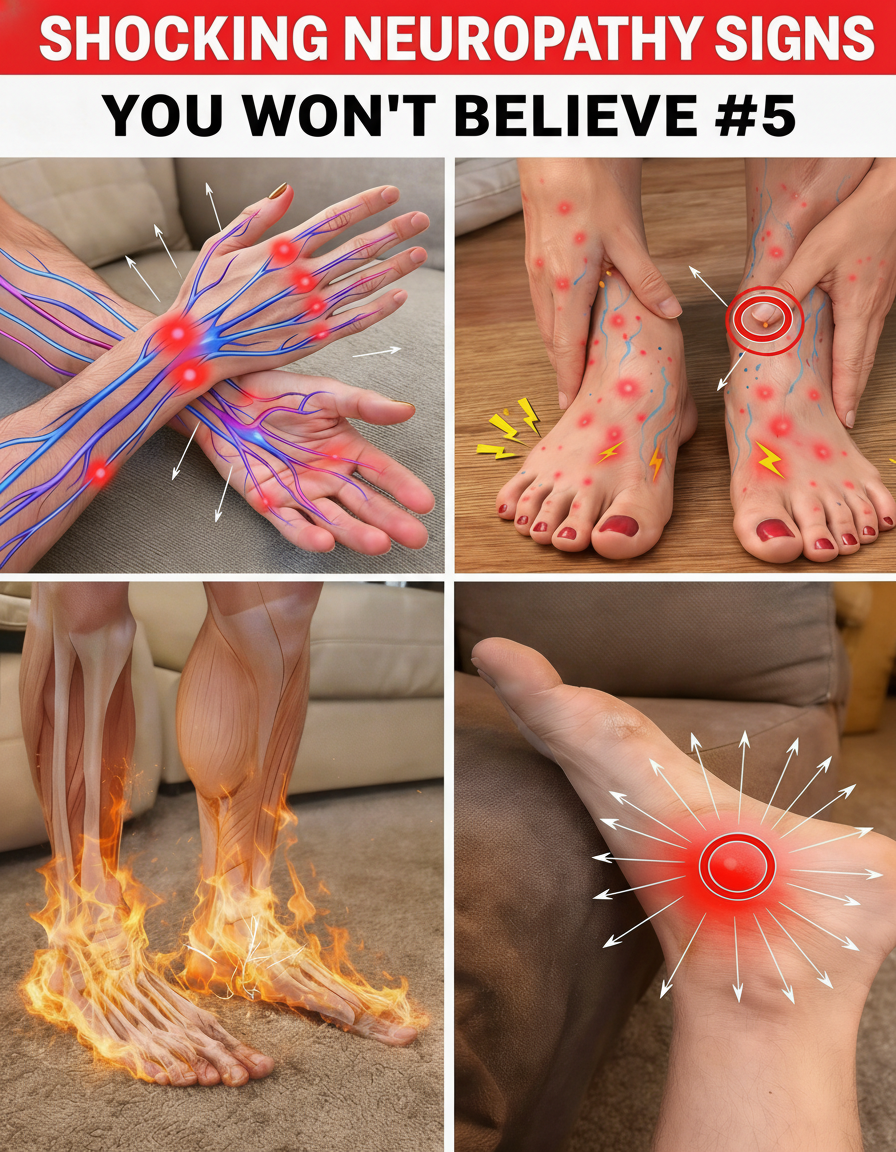
At its essence, peripheral neuropathy signifies damage or impaired function within the network of nerves responsible for transmitting crucial signals between the central nervous system and the body’s various parts. This intricate condition can impact different types of nerves: sensory nerves, which govern our ability to feel sensations like touch, temperature, and pain; motor nerves, essential for muscle control and movement; and autonomic nerves, which regulate involuntary bodily functions such as digestion, heart rate, and blood pressure. In the context of older adults, peripheral neuropathy commonly progresses in a characteristic “stocking-glove” distribution, where symptoms initially manifest in the feet and hands before potentially extending upwards. While the underlying causes are diverse, frequent contributors encompass age-related degeneration of nerve tissue, specific vitamin deficiencies, or various pre-existing health conditions.
10 Overlooked Signs of Peripheral Neuropathy in Adults Over 60
Recognizing the early indicators of peripheral neuropathy is vital for timely intervention. Below are 10 significant signs, frequently underscored by medical research and clinical practice, which often emerge