 By admin
 Unlocking Arterial Wellness: 7 Essential Vitamins for Optimal Blood Flow and Cardiovascular Health
Cardiovascular disease continues to be a primary global health concern, frequently associated with the progressive accumulation of plaque within arterial walls. This accumulation can gradually impede blood circulation throughout the body. Individuals, particularly those over the age of 50, often begin to experience subtle indicators such as persistent fatigue, slight breathlessness during routine activities, or a general feeling of sluggishness, even when diligently pursuing a healthy lifestyle. These physiological shifts can arise from various factors, including chronic inflammation, oxidative damage, or the undesirable deposition of calcium, which collectively diminish arterial flexibility. Encouragingly, scientific research suggests that specific vitamins, available through dietary sources or nutritional supplements, hold significant potential in supporting robust vascular health, enhancing endothelial function, and promoting overall circulatory efficiency when integrated into a comprehensive wellness regimen. Moreover, the efficacy of these vital nutrients is often amplified through synergistic interactions, revealing a more intricate web of benefits. Continue reading to explore seven pivotal vitamins highlighted in studies for their potential to bolster arterial health and optimize blood flow, along with actionable strategies for incorporating them into your daily life.
The Silent Challenge: Prioritizing Arterial Health Beyond 50
With advancing age, our arteries can naturally undergo a decline in elasticity, often attributed to cumulative daily wear and tear, systemic inflammation, or imbalances in essential minerals. This physiological change can consequently hinder the efficient delivery of blood to vital muscles and organs, manifesting as diminished energy levels or a sense of unease during even moderate physical activities. While conventional medical interventions, such as prescribed medications, effectively target specific health conditions, a growing number of individuals are actively exploring complementary nutritional strategies to support their vascular well-being. Scientific studies underscore how particular vitamins can play a crucial role by modulating inflammatory processes, mitigating oxidative stress, regulating calcium deposition, and optimizing overall vessel function—all fundamental aspects for sustaining healthy circulation. Consider this: On a scale of one to ten, how would you objectively assess your recent daily energy levels? If your rating falls below your desired benchmark, the following information could provide valuable preliminary guidance.
7 Key Vitamins: Research-Backed Support for Arterial Health and Circulation
A select group of vitamins has garnered considerable scientific interest for their prospective contributions to vascular integrity and function. Below, we delve into each of these essential nutrients, detailing their specific mechanisms of action and identifying their prevalent dietary sources.
1. Vitamin K2 – Guiding Calcium for Enhanced Arterial Flexibility
Vitamin K2 plays a pivotal role in activating specific proteins, notably matrix Gla protein (MGP). MGP is believed to actively inhibit the accumulation of calcium within the walls of arteries, thereby preserving and enhancing vessel elasticity. Numerous observational studies have consistently shown a correlation between increased intake of Vitamin K2 and a reduction in arterial calcification, leading to improved cardiovascular health outcomes.
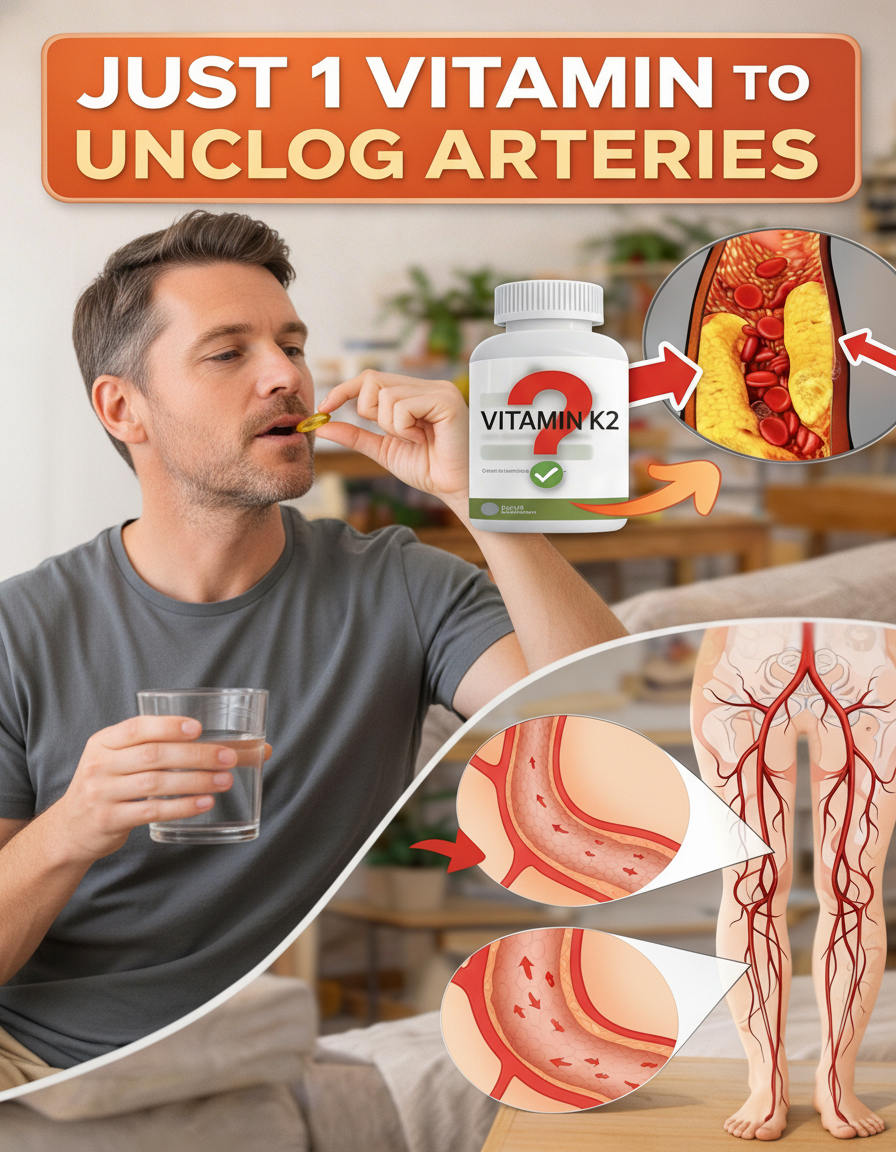
- Mechanism of Action: Facilitates the appropriate distribution of calcium, directing it towards bone tissue and away from delicate soft tissues like arterial walls, thus fostering greater arterial pliability.
- Primary Sources: Excellent dietary sources include natto (a traditional Japanese fermented soybean product), dairy products from grass-fed animals, and various fermented foods such as specific types of cheese.
- Recommended Intake: A general guideline suggests approximately 90-120 mcg daily, obtainable through diet or supplementation (always consult a healthcare professional for personalized advice).
- Synergistic Benefit: Its efficacy is significantly amplified when consumed in conjunction with Vitamin D, as they work together to optimize calcium metabolism.
2. Vitamin D – Fortifying Vessel Function and Mitigating Inflammation
Maintaining sufficient levels of Vitamin D is frequently correlated in scientific literature with superior endothelial health and a reduction in markers of systemic inflammation. Conversely, a deficiency in this crucial vitamin has been linked to increased arterial stiffness and a heightened risk of various cardiovascular complications.
- Mechanism of Action: Contributes to the modulation of immune responses, supports the relaxation of blood vessels, and generally assists in sustaining optimal cardiac performance.
- Primary Sources: Key sources include direct exposure to sunlight, consumption of fatty fish such as salmon, and fortified food products.
- Recommended Intake: A standard recommendation is 600-800 IU daily, though higher doses may be advised based on individual blood test results.
- Enhanced Efficacy: When taken alongside Vitamin K2, its benefits for maintaining healthy calcium equilibrium within the body can be significantly maximized.
3. Vitamin C – Safeguarding and Reinforcing Vascular Linings
Recognized as a formidable antioxidant, Vitamin C is instrumental in fostering collagen synthesis, a vital component of robust blood vessel walls. Furthermore, it may boost the bioavailability of nitric oxide, which is essential for healthy vessel dilation. Research consistently demonstrates its capacity to enhance endothelial function, particularly in individuals experiencing elevated levels of oxidative stress.
- Mechanism of Action: Effectively neutralizes harmful free radicals, thereby contributing to the integrity of blood vessels and facilitating smoother blood flow.
- Primary Sources: Abundant in citrus fruits, bell peppers, strawberries, and broccoli.
- Recommended Intake: A daily intake of 75-90 mg is generally recommended and is readily achievable through a diet rich in fruits and vegetables.
- Complementary Benefit: Consuming higher amounts from food sources often synergizes effectively with Vitamin E, offering augmented protective effects against cellular damage.
4. Vitamin E – A Powerful Shield Against Oxidative Deterioration
Vitamin E, especially its alpha-tocopherol form, functions