 By admin
 Home » Healthy Life » 7 Crucial Warning Signs of Blocked Arteries in Your Legs and Feet: A Guide to Early Detection
7 Crucial Warning Signs of Blocked Arteries in Your Legs and Feet: A Guide to Early Detection
Peripheral Artery Disease (PAD) impacts millions globally, frequently progressing unnoticed until severe complications emerge. Many individuals mistakenly attribute subtle discomfort or changes in their lower limbs to the natural aging process or everyday fatigue. However, these seemingly minor indicators can signal impaired blood flow caused by narrowed arteries, significantly elevating the risk of serious health problems if ignored. Early recognition of these symptoms is vital for prompt consultation with a medical professional. Could these daily occurrences be your body’s critical alerts? Continue reading to discover essential warning signs, supported by medical expertise, along with actionable steps you can take.
Why Blocked Leg Arteries Are a Hidden Concern After 40
As individuals advance in age, particularly past 40, arteries can begin to constrict due to atherosclerotic plaque accumulation, thereby impeding optimal blood circulation to the lower extremities. Research indicates that PAD affects a substantial percentage of adults aged 60 and above, yet numerous instances remain undiagnosed because symptoms are often understated or dismissed as typical signs of aging. This diminished blood supply deprives muscles and tissues of crucial oxygen and nutrients, particularly during physical exertion. Over time, this can manifest as chronic discomfort, impaired wound healing, and an elevated risk of broader cardiovascular complications. Nevertheless, there’s a positive outlook: increased awareness and proactive dialogue with a physician can profoundly influence outcomes. A moment for self-reflection: Do your legs frequently feel fatigued or uncomfortable during routine activities like walking? Identifying such patterns is the initial stride toward better health.
Warning Sign #1: Intermittent Claudication – Pain That Comes and Goes with Activity
The hallmark symptom of PAD is intermittent claudication—a distinct type of leg pain or cramping that emerges during physical activity, such as walking or exercise, and consistently subsides with rest. This discomfort is commonly localized in the calves, thighs, or glutes. It occurs because active muscles require a greater supply of oxygenated blood, which narrowed arteries are unable to adequately deliver. Prominent health organizations, including the American Heart Association, recognize this as a prevalent characteristic of peripheral artery disease. The pain typically dissipates within a few minutes of ceasing activity, only to reappear once movement recommences. Furthermore, many individuals characterize this sensation as a constricting or burning feeling that compels them to stop. Should this description resonate with you, monitoring the distance you can cover before experiencing discomfort can furnish valuable insights for your healthcare provider.
Warning Sign #2: Weak or Absent Pulses in the Legs and Feet
Normally, healthy arteries manifest strong, consistent pulses detectable at various points, such as behind the knee (popliteal artery) or on the top of the foot (dorsalis pedis artery). If, during a clinical examination, these pulses are found to be faint or entirely absent, it strongly suggests compromised blood flow. Medical professionals routinely employ basic palpation techniques or advanced diagnostic tools like Doppler ultrasound to accurately evaluate pulse strength. Authoritative medical references highlight that diminished pulses often manifest even prior to the onset of noticeable leg pain. A crucial reminder: while attempting to self-check pulses can be challenging and unreliable, a professional medical assessment is both simple and highly informative.
Warning Sign #3: Changes in Skin Color and Temperature
A noticeable discrepancy in skin color and temperature between your legs or feet can be a significant indicator. The affected limb may appear unusually pale when elevated, or conversely, develop a bluish or purplish discoloration when allowed to hang downwards. Furthermore, the skin on the compromised leg or foot often feels distinctly cooler to the touch compared to the unaffected side. These observable and tactile variations are direct consequences of a persistent, inadequate blood supply impacting the skin and underlying tissues. Medical literature consistently associates these changes with chronic oxygen deprivation. It is advisable to visually compare both legs under optimal lighting conditions; any persistent, unexplained differences warrant immediate medical consultation. Your diligence in continuing to read this far is commendable; let’s explore the remaining signs.
Warning Sign #4: Slow-Healing Wounds or Sores on Legs and Feet
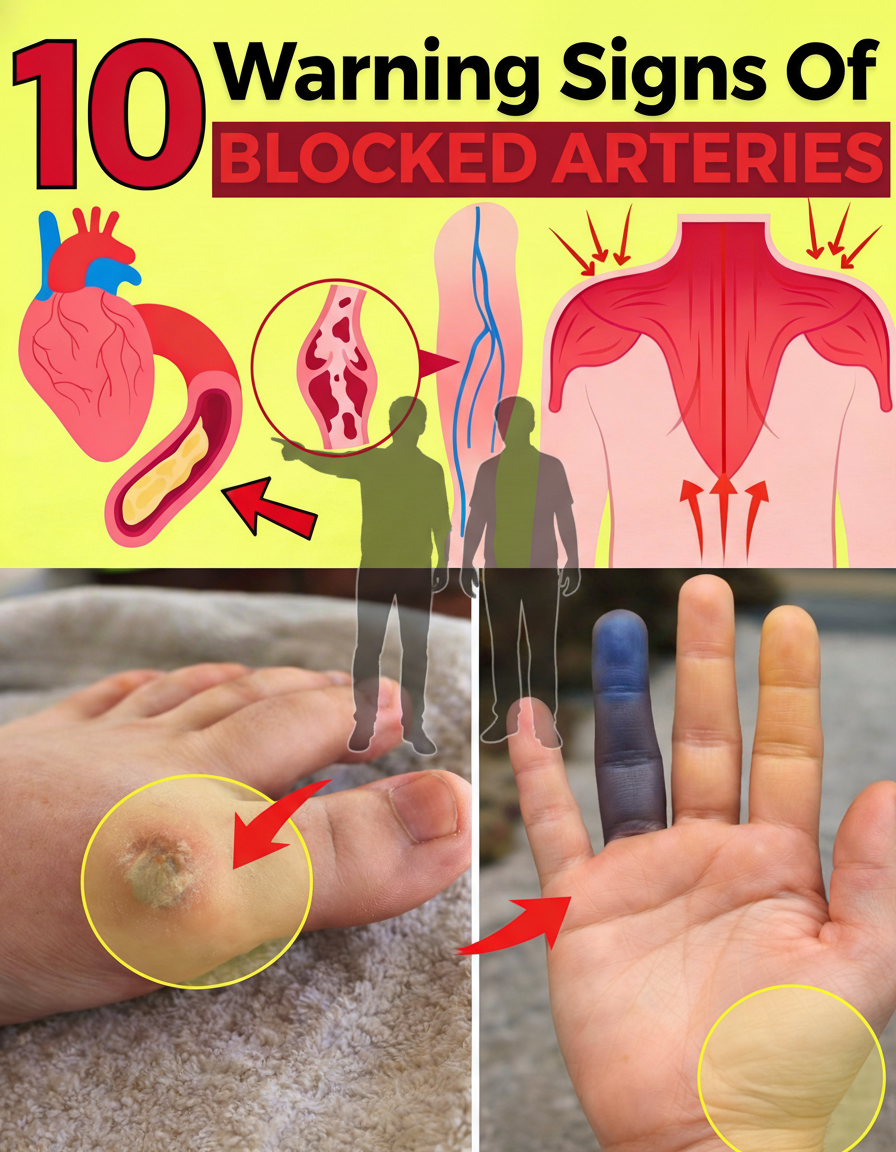
The delayed healing of minor cuts, blisters, or persistent sores on the lower extremities, which continue for weeks rather than resolving promptly, is a serious concern. Inadequate blood circulation severely compromises the delivery of essential oxygen, vital nutrients, and crucial immune cells required for effective tissue repair and recovery. This issue is particularly critical for individuals living with diabetes, as their risk of such complications is significantly elevated. Leading health organizations uniformly stress that any non-healing wounds on the legs or feet demand urgent medical assessment. If you have a sore that has not shown signs of improvement after two weeks, it is imperative to consult with a healthcare professional without delay.
Before we proceed, let’s take a brief pause:
- Can you recall how many warning signs we’ve discussed so far? (We’ve covered four key indicators.)
- Which of these symptoms, if any, seems most relevant to your personal experience or observations?
- What do you anticipate the next warning sign might involve?
- Reflecting on your comfort level, how would you rate your leg comfort now compared to when you began reading this article? (On a scale of 1 to 10)
Ready to uncover the remaining critical signs? Let’s continue.
Warning Sign #5: Shiny, Hairless Skin on the Legs
A noticeable alteration in the appearance of your leg skin can signal compromised circulation. You might observe that leg hair below the knee becomes sparse, thins significantly, or disappears entirely. Concurrently, the skin itself may take on an unusually smooth, almost shiny texture. These changes are a direct result of diminished blood flow, which impacts the health and function of hair follicles and overall skin integrity. Vascular research frequently identifies these dermatological changes in a considerable number of moderate PAD cases. A direct comparison between both legs often reveals these differences quite distinctly.
Warning Sign #6: Erectile Dysfunction in Men as an Early Clue
For men, the emergence of new or worsening erectile dysfunction (ED) can serve as an unexpected yet significant early warning sign of PAD. This occurs because the same arterial narrowing that affects blood flow to the legs can also impede circulation to the penis, essential for achieving and maintaining an erection. While ED can stem from various causes, when combined with other peripheral symptoms, it warrants consideration as a potential indicator of underlying vascular issues. Consulting a doctor about new onset ED, especially if accompanied by other leg symptoms, is crucial for a comprehensive health assessment.
Warning Sign #7: Numbness or Weakness in the Legs or Feet
Beyond pain and visible changes, some individuals with PAD experience persistent numbness or weakness in their legs or feet. This sensation can range from a tingling feeling to a complete loss of sensation, making it difficult to detect injuries or maintain balance. It’s a direct consequence of nerve damage or insufficient oxygen supply to the nerves and muscles due to poor circulation. If you frequently experience unexplained numbness, weakness, or a ‘pins and needles’ sensation in your lower limbs, particularly during rest or light activity, it’s an important symptom to discuss with your doctor. Such neurological symptoms can indicate advanced stages of arterial blockage.
Recognizing these seven crucial warning signs of blocked arteries in your legs and feet is the first vital step toward safeguarding your vascular health. While these symptoms might seem minor or easily attributable to other factors, ignoring them can lead to severe complications, including limb loss or increased risk of heart attack and stroke. If you identify with any of these indicators, especially if they are persistent or worsening, do not hesitate to seek professional medical advice. Early diagnosis and intervention for Peripheral Artery Disease (PAD) can significantly improve your quality of life, prevent progression of the disease, and mitigate broader cardiovascular risks. Take charge of your health – your legs and your heart will thank you.