 By admin
 Decoding Liver Distress: 17 Key Signs Your Liver Needs Support and Natural Strategies for Optimal Health
A growing number of individuals are unknowingly grappling with fatty liver disease, now frequently termed metabolic dysfunction-associated steatotic liver disease (MASLD). Recent research suggests that over 40% of adults in the United States may be impacted by this increasingly prevalent condition, often without realizing it. What begins as subtle fatigue or occasional digestive issues can gradually escalate, diminishing daily energy, impairing digestion, and affecting overall well-being.
The encouraging news is that recognizing these potential warning signs early and making mindful lifestyle adjustments can significantly contribute to supporting liver health. In this comprehensive guide, we will explore 17 indicators that may signal liver stress, explain their potential significance, and share practical, everyday strategies to help your liver thrive. Stay with us until the end for a straightforward action plan designed to fit into even the busiest schedules.
The Silent Epidemic: Understanding Fatty Liver Disease (MASLD)
Often referred to as a “silent” ailment due to its lack of obvious early symptoms, fatty liver disease develops when an excessive accumulation of fat occurs within liver cells. This condition is now more precisely known as metabolic dysfunction-associated steatotic liver disease (MASLD), reflecting its close ties to metabolic factors. Initial stages typically present no discernible symptoms, yet studies consistently link MASLD to metabolic issues such as excess body weight, insulin resistance, and sedentary lifestyles. If left unaddressed over time, this fat buildup can lead to inflammation and more pronounced discomfort.
Many individuals first notice changes in their thirties, forties, or later, frequently dismissing them as normal signs of aging or general stress. The crucial takeaway from health experts is clear: early awareness, coupled with consistent healthy habits, can profoundly impact and support robust liver function.
Why Early Detection Matters: Spotting the Signals Before They Escalate
The liver is an extraordinary organ, working tirelessly to process nutrients, neutralize toxins, and regulate vital energy pathways. When it encounters persistent stress, the first subtle signals often manifest in digestive complaints and fluctuating energy levels. However, there’s significant hope—lifestyle modifications centered around balanced nutrition, regular physical activity, and adequate rest are among the most evidence-based approaches to foster liver wellness.
Let’s delve into 17 potential signs of liver distress, categorized into early and more advanced indicators for enhanced clarity and understanding.
Initial Indicators: Subtle Signs That May Appear First
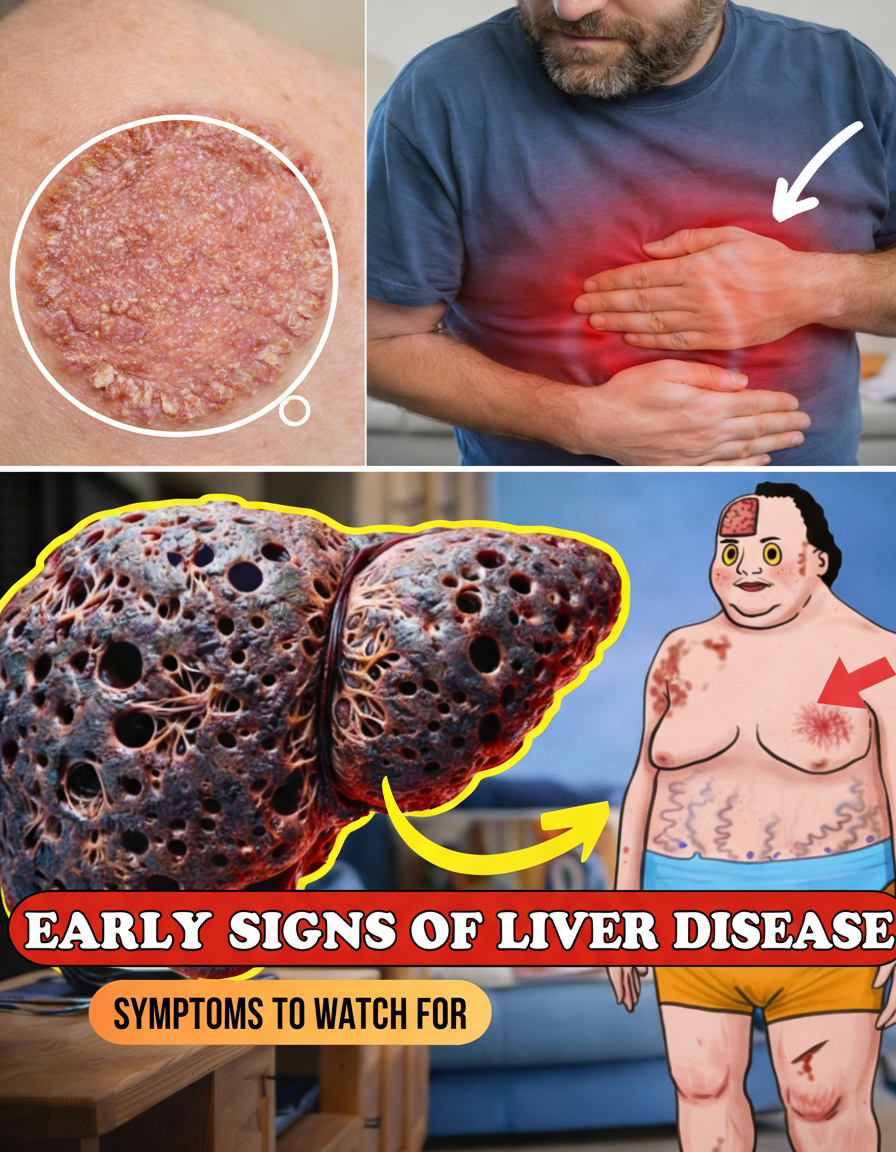
- Persistent Upper Abdominal Discomfort or Heartburn: A nagging burning sensation in the chest or a feeling of fullness after meals is a common digestive complaint. Research indicates a connection between these issues and liver fat accumulation, as inflammation can disrupt the body’s food processing capabilities.
- Excess Gas and Bloating: Are you experiencing more frequent bloating or gas than usual? An imbalanced gut microbiome and slower digestive processes are often reported by individuals with concerns about fatty liver.
- Ache or Pressure on the Right Side Under the Ribs: Mild, ongoing discomfort or a sensation of pressure in the liver region (the upper right quadrant of the abdomen) can occur if the organ becomes slightly enlarged and presses against surrounding tissues.
- Reduced Appetite or Nausea Around Meals: Foods that were once appealing may suddenly seem unappetizing, sometimes accompanied by mild queasiness or a general feeling of sickness, particularly during or after eating.
- Ongoing Fatigue Despite Adequate Sleep: Feeling consistently drained, mentally foggy, or lacking energy even after sufficient rest is one of the most frequently reported symptoms. The liver plays a central role in energy metabolism, so stress on this organ can leave you feeling perpetually exhausted.
- Frequent Mild Nausea: Occasional, unexplained waves of queasiness can sometimes indicate the liver’s reduced efficiency in processing toxins or bile. This can be an early, subtle hint that something is amiss.
These are just the initial clues; more noticeable and concerning changes can emerge as liver stress progresses.
Advanced Indicators: Signs Requiring Closer Medical Attention
- Dark-Colored Urine (Tea- or Cola-Like): Urine that appears unusually dark, resembling tea or cola, may signify the liver’s difficulty in properly processing bilirubin, a yellow pigment formed during the breakdown of red blood cells.
- Pale or White Nails: Fingernails that lose their normal healthy pink tone and appear unusually pale or white can sometimes be linked to shifts in circulation or nutrient absorption, which can be affected by liver health.
- Small Red Spots on the Skin (Cherry Angiomas): Tiny, bright red dots on the skin, known as cherry angiomas, or other unexplained skin alterations, can occasionally manifest in cases of significant liver stress.
- Spider-Like Veins on the Skin (Spider Angiomas): Web-like blood vessels, often visible on the chest, face, or arms, can develop due to hormonal imbalances that are closely tied to compromised liver function.
- Intense Skin Itching (Pruritus): Persistent and severe itching, especially noticeable at night, may result from bile salts accumulating in the bloodstream because the liver is not adequately clearing them.
- Yellowing of the Skin or Eyes (Jaundice): A distinct yellowish tint to the skin or the whites of the eyes is a clear and urgent signal that bilirubin is accumulating excessively in the body. If you notice jaundice, it is imperative to seek prompt medical evaluation.
- Reddened Palms (Palmar Erythema): Palms that appear unusually flushed or distinctly red can be another dermatological clue suggesting underlying liver issues.
- Pale or Clay-Colored Stools: Bowel movements that are unusually light-colored, resembling clay, suggest impaired or blocked bile flow from the liver, which is crucial for normal digestion and stool color.
- Difficulty Seeing in Low Light (Night Blindness): Struggles with vision in dim lighting or at night may be connected to reduced processing or absorption of vitamin A, a function the liver performs.
- Breast Tissue Changes in Men (Gynecomastia): Hormonal shifts resulting from significant liver stress can occasionally lead to the development of enlarged breast tissue in men.
- Severe or Sharp Abdominal Pain: While mild discomfort is an early sign, severe, sudden, or sharp pain in the upper right abdomen should always be taken seriously and warrants immediate medical attention, as it could indicate a more serious liver condition or complication.
Nurturing Your Liver Naturally: Everyday Strategies for Support
While the signs above are crucial for early detection, proactive steps are equally vital for maintaining and restoring optimal liver health. Here are natural, everyday strategies to support this hardworking organ:
- Embrace a Nutrient-Rich Diet: Focus on whole, unprocessed foods. Incorporate plenty of fruits, vegetables, whole grains, and lean proteins. Foods rich in antioxidants like berries, leafy greens, and cruciferous vegetables (broccoli, cauliflower) are particularly beneficial.
- Limit Processed Foods, Sugar, and Unhealthy Fats: These can place a significant burden on your liver. Reduce intake of sugary drinks, refined carbohydrates, fried foods, and trans fats.
- Hydrate Adequately: Drinking sufficient water throughout the day helps your liver and kidneys flush out toxins more effectively.
- Moderate Alcohol Consumption: Alcohol is a known liver toxin. Limiting or completely avoiding alcohol is one of the most impactful ways to support liver recovery and prevent further damage.
- Maintain a Healthy Weight: Excess body weight, especially around the abdomen, is a primary risk factor for MASLD. Even modest weight loss can significantly improve liver fat and function.
- Engage in Regular Physical Activity: Exercise helps reduce liver fat, improves insulin sensitivity, and contributes to overall metabolic health. Aim for at least 30 minutes of moderate-intensity activity most days of the week.
- Manage Stress: Chronic stress can indirectly impact liver health by influencing metabolic processes and promoting unhealthy habits. Incorporate stress-reducing activities like meditation, yoga, deep breathing exercises, or spending time in nature.
- Prioritize Quality Sleep: Adequate sleep is essential for the body’s repair and detoxification processes. Aim for 7-9 hours of quality sleep per night.
- Consider Liver-Supportive Herbs (with caution): Certain herbs like milk thistle, dandelion root, and turmeric are often touted for their liver-protective properties. However, it’s crucial to consult with a healthcare professional before incorporating any supplements, especially if you have an existing liver condition or are taking other medications.
- Regular Medical Check-ups: Don’t underestimate the importance of routine visits to your doctor. Early diagnosis and monitoring of liver health can make a significant difference in managing and reversing conditions like MASLD.
Your Simple Starting Plan for Liver Health
To begin your journey toward better liver health, consider these actionable steps:
- Start Small: Choose one or two dietary changes (e.g., add more vegetables, cut out sugary drinks) and one activity (e.g., a 15-minute walk daily) to implement this week.
- Hydrate Smart: Keep a water bottle handy and aim to drink at least 8 glasses of water daily.
- Listen to Your Body: Pay attention to how different foods and activities make you feel. This can help you make more informed choices.
- Consult a Professional: If you suspect liver issues or are concerned about your health, always consult your doctor for proper diagnosis and personalized advice.
By understanding the subtle and advanced signs of liver stress and implementing these natural, supportive strategies, you empower yourself to protect and enhance the health of this vital organ, paving the way for improved energy, digestion, and overall well-being.