 By admin
 After a long day, weary and calloused feet can be a source of discomfort and self-consciousness. Cracked heels, in particular, often catch on socks or make each step a painful ordeal. It’s no surprise then that a peculiar “minty foot hack” has gone viral across social media platforms: applying Colgate toothpaste to the soles of your feet before bed, covering them, and supposedly waking up to remarkably softer, more refreshed skin. This seemingly simple and appealing remedy raises an important question: is there any genuine scientific basis to this trend, or is it primarily a fleeting internet sensation? This comprehensive guide will delve into the actual effects of this hack, the fleeting sensations it creates, and why proven, safer foot care methods typically offer superior, long-lasting comfort for your feet.
The Viral Minty Foot Hack: Does Colgate Toothpaste Really Revitalize Tired Feet?
This widespread social media phenomenon instructs users to apply a substantial coating of mint-flavored toothpaste—Colgate being the brand most frequently cited—directly onto the soles of their feet before bedtime. Proponents of this unique DIY foot remedy typically advise the following steps:
- Distribute the toothpaste uniformly across the heels and entire soles.
- Securely cover the treated feet with plastic wrap or simply put on a pair of socks.
- Allow the toothpaste to remain on the skin throughout the night.
- Rinse off the residue thoroughly the following morning.
Numerous individuals have reported experiencing softer skin, a reduction in foot odor, or an overall revitalized sensation upon waking. However, it’s crucial to examine the underlying reasons why this approach might *seem* effective in the short term.
Understanding the Cooling Sensation from Toothpaste on Feet
The primary ingredient responsible for the characteristic cooling sensation is menthol, a natural mint compound prevalent in the majority of Colgate toothpaste formulations. Menthol works by stimulating specific TRPM8 receptors located on your skin – these are the very same receptors that register cold temperatures. Consequently, this interaction deceives your nervous system into transmitting a “cold” signal to your brain, resulting in an immediate refreshing tingle, even though the actual skin temperature remains unchanged. While other toothpaste constituents, such as gentle abrasives or foaming agents, might contribute to a slight tightening sensation on rough areas, it’s vital to recall a fundamental point: these components are specifically engineered for oral hygiene, not for prolonged application or dermal contact.
Does Toothpaste Effectively Soften Cracked Heels?
In brief: any softening effect is, at best, minimal and fleeting. Toothpaste is fundamentally devoid of the potent, deeply hydrating and skin-restoring compounds essential for achieving sustained improvement in dry, cracked heels. Although a few individuals might observe a minor degree of smoothing—potentially due to mild surface exfoliation or the occlusive effect (moisture trapping) created by wearing socks—this alteration is seldom long-lasting. Skin care professionals and dermatologists consistently underscore that truly effective cracked heel treatment necessitates ingredients such as:
- Urea: Known for its ability to soften thickened skin while simultaneously attracting and retaining moisture.
- Lactic acid or Salicylic acid: Gentle yet effective exfoliating agents that help remove dead skin cells.
- Glycerin and Shea butter: Powerful humectants and emollients crucial for intense skin hydration.
- Petroleum jelly: An excellent occlusive agent that forms a protective barrier to lock in moisture.
Evidently, toothpaste cannot deliver this comprehensive, balanced support, and depending solely on it will not resolve the root causes of persistent dryness and heel fissures.
Can Toothpaste Alleviate Foot Odor?
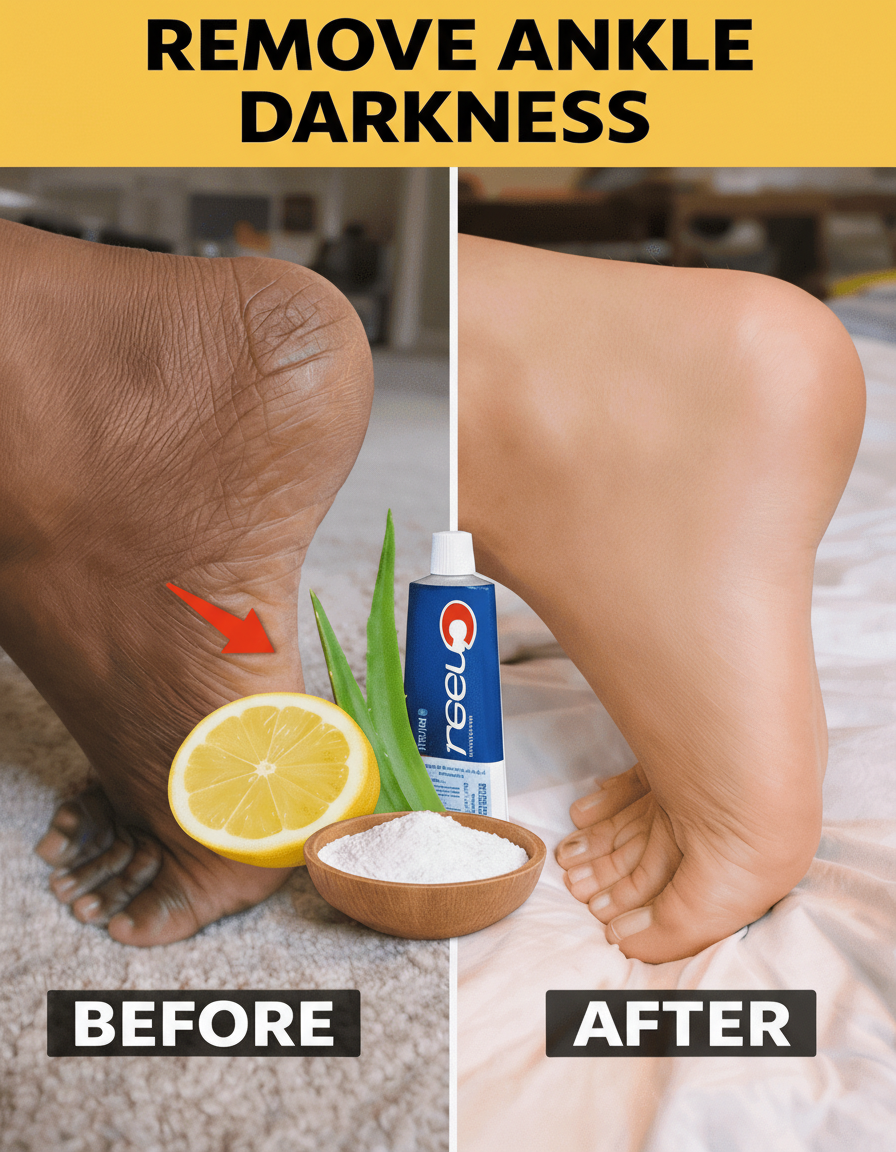
Any positive impact on foot odor is likely to be very temporary. The refreshing mint scent and certain antibacterial components found in toothpaste might momentarily mask or slightly diminish odor-causing bacteria. However, once the toothpaste is rinsed away, this fleeting benefit quickly dissipates. For more reliable and consistent odor control, it’s far more effective to adhere to established practices:
- Cleanse your feet daily with an appropriate soap and ensure they are thoroughly dried.
- Opt for footwear and socks made from breathable materials to promote air circulation.
- Incorporate antifungal or moisture-absorbing powders into your routine.
- Regularly exfoliate your feet to eliminate dead skin cells, which are a prime breeding ground for bacteria.
Addressing Claims of Lightening Dark Spots or Exfoliating Dead Skin
Assertions that toothpaste can lighten dark spots or effectively remove dead skin cells are largely unsubstantiated. While certain toothpastes may contain ingredients like hydrogen peroxide or baking soda that offer extremely mild, superficial effects, these components are neither specifically formulated for addressing skin pigmentation issues nor deemed safe for routine application on the feet. Excessive or improper use could easily result in irritation, potentially exacerbating existing discoloration. Instead, more effective and safer strategies involve consistent moisturizing, regular yet gentle exfoliation, and diligent sun protection when feet are exposed – always prioritizing products specifically designed for skin health.
Significant Risks and Potential Side Effects of Using Toothpaste on Feet
Despite the thicker nature of foot skin, it’s crucial to understand that toothpaste is not dermatologically tested or formulated for topical application. Standard toothpaste ingredients, including but not limited to sodium lauryl sulfate (SLS), potent flavorings, or harsh whitening agents, can potentially trigger a range of adverse reactions, such as:
- Visible redness or excessive dryness
- Unwanted peeling or an uncomfortable sensation of tightness
- A mild burning or persistent tingling sensation
- Acute allergic reactions, particularly in individuals with sensitive skin
For those managing underlying health conditions like diabetes, poor circulation, eczema, or who have existing open cracks or wounds on their feet, it is particularly ill-advised to experiment with such unconventional remedies. Irritation in these vulnerable cases could escalate into more serious dermatological problems or infections. However, an intriguing paradox remains: many individuals still claim to experience smoother feet after attempting this hack. Why might this be?
The Psychological and Physical Reasons Behind Perceived Effectiveness
The reported improvements often stem from mechanisms entirely separate from the toothpaste’s inherent properties:
- The intense cooling sensation delivered by menthol acts as a powerful distraction from feelings of fatigue, providing an immediate sense of refreshment.
- Certain drying agents within the toothpaste might induce a temporary feeling of tautness or firmness on rough skin patches.
- The act of wrapping the feet or wearing socks overnight creates an occlusive barrier, effectively trapping the skin’s natural moisture – inadvertently functioning as a makeshift hydration mask.
Essentially, the primary “heavy lifting” in this routine is most likely performed by the occlusion effect (the sealing in of moisture), rather than any beneficial properties of the toothpaste itself. For genuinely effective and risk-free foot care, dermatologist-recommended solutions offer superior and lasting results.