 By admin
 Home » Healthy Life » Unveiling 10 Critical Early Warning Signs of a Brain Tumor You Must Not Overlook
Unveiling 10 Critical Early Warning Signs of a Brain Tumor You Must Not Overlook
Have you recently experienced a persistent headache that feels different from your usual aches, or observed subtle shifts in your vision that you initially dismissed as simple tiredness? While such occurrences are often benign, when these symptoms persist, intensify, or recur frequently, they warrant closer attention. It’s natural to attribute these changes to daily stressors or the aging process, but ignoring them can prolong discomfort and uncertainty. This guide aims to provide clarity by helping you recognize these patterns. Continue reading, as we’ll uncover a crucial insight towards the end that connects these early indicators.
Understanding Brain Tumors: Why Early Awareness is Crucial
Brain tumors encompass a diverse range of growths, varying from benign (non-cancerous) to malignant (cancerous), each capable of impacting brain function over time. Medical studies indicate that these conditions affect numerous individuals globally each year. A significant challenge in early detection is that their symptoms frequently resemble those of less severe, more common ailments. This symptomatic overlap often delays diagnosis. However, being well-informed about potential signs significantly enhances your ability to communicate concerns effectively with a medical professional.
Furthermore, it’s common for many, particularly those over the age of 40, to disregard initial bodily changes, attributing them to normal aging or daily fatigue. Yet, actively listening to your body’s subtle cues is a powerful way to take charge of your health and seek timely medical evaluation when necessary. Proactive awareness is key to better outcomes.
1. Persistent or Unusually Severe Headaches
While headaches are a common ailment, those associated with a brain tumor often present with distinctive characteristics. These may include a notable increase in intensity upon waking, exacerbation with changes in body position, or a lack of response to standard over-the-counter pain relievers. Medical research consistently links such headache patterns to elevated pressure inside the skull, also known as intracranial pressure. It’s highly advisable to meticulously track these headaches, noting their frequency, severity, specific triggers, and any deviations from your typical headache experience. Although maintaining good hydration and other lifestyle adjustments can alleviate some forms of discomfort, headaches that are persistent, worsening, or unusual for you absolutely necessitate a consultation with your physician to rule out serious underlying causes.
2. Unexplained Nausea or Vomiting
Experiencing nausea or vomiting without any clear gastrointestinal trigger can be particularly perplexing. This symptom might manifest unexpectedly, often in the mornings, and can be accompanied by vomiting that feels unusually forceful. Scientific studies indicate a potential connection between such symptoms and increased pressure within the brain affecting specific neural regions. Imagine a sudden onset of sickness interrupting your day without a discernible cause. While many might attribute this to dietary issues or stress, recurrent episodes warrant careful observation. Maintaining a detailed symptom diary, possibly alongside a food log, can be invaluable for identifying patterns and providing precise information to your healthcare provider for an accurate diagnosis.
3. Disturbances in Vision
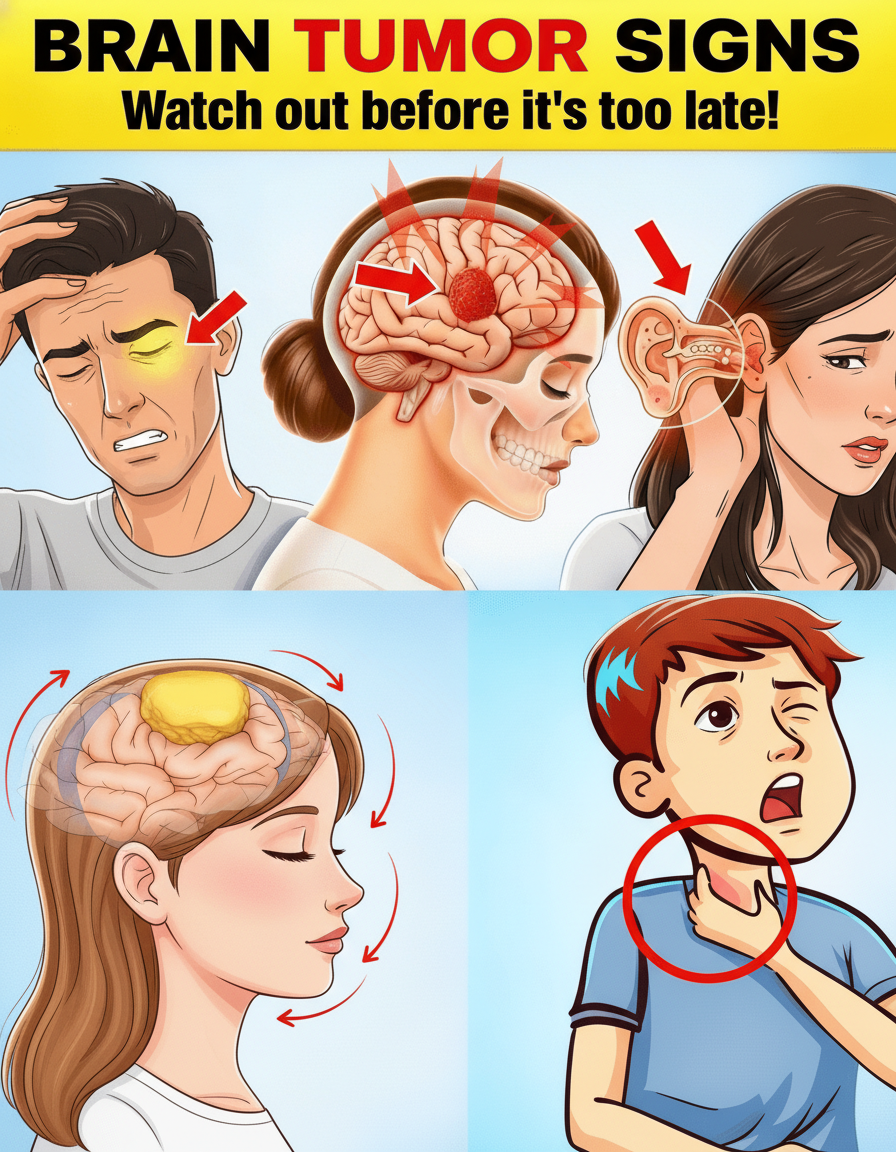
Abrupt changes such as blurred vision, diplopia (double vision), or a noticeable reduction in peripheral sight can significantly impede daily functioning. These visual impairments may arise from pressure exerted on the brain’s optic pathways. Health statistics reveal that these symptoms are frequently misattributed to simple eye strain or the natural progression towards needing new corrective lenses. A crucial self-assessment involves considering the frequency and novelty of these visual disturbances. If these issues are new or occurring regularly, an ophthalmic examination is a sensible first step. While practices like taking regular breaks from digital screens are beneficial for general eye health, any unexplained or persistent alterations in vision demand prompt professional medical evaluation.
4. New-Onset Seizures
Undergoing a seizure for the very first time, irrespective of whether it manifests as a generalized convulsion or a more subtle, transient staring episode, is undeniably a cause for alarm. For individuals with no prior history of epilepsy, the sudden onset of a seizure can be a significant indicator of underlying neurological alterations. Medical professionals strongly emphasize the necessity of immediate evaluation following such an event. It’s vital to remember that even minor involuntary movements or twitches should not be dismissed. Thoroughly documenting the specifics of the episode, including its duration, any preceding sensations, and post-seizure state, will greatly assist healthcare providers in their assessment. Crucially, adopting safety precautions, such as refraining from driving until medically cleared, is a responsible and practical measure while awaiting a professional diagnosis.
5. Memory Lapses and Cognitive Difficulties
Experiencing forgetfulness regarding recent discussions or encountering difficulties with concentration might initially seem like typical consequences of a demanding lifestyle. Nevertheless, if these cognitive impairments become increasingly noticeable or persistent, they could signify issues within the brain regions vital for memory and thought processing. While studies often link such symptoms to stress or fatigue, they can occasionally point to more serious underlying conditions. Engaging in brain-stimulating activities, such as puzzles, and ensuring sufficient sleep are beneficial practices for preserving cognitive sharpness. Interestingly, many individuals report improved focus by minimizing multitasking. However, if these memory or cognitive challenges continue or worsen, seeking the expertise of a neurologist or specialist is highly recommended.
6. Unexplained Personality or Mood Changes
Sudden and unexplained shifts in personality, such as heightened irritability, social withdrawal, or pronounced mood swings, can significantly impact personal relationships. Often, close friends or family members are the first to observe these alterations, as they can indicate changes in the brain’s regions responsible for emotional regulation and behavior. While health research frequently attributes such behavioral shifts to everyday life stressors, it’s crucial to consider if these changes are out of character or unusually persistent. Ponder this: Have those around you recently remarked on noticeable differences in your demeanor or actions? Initiating open and honest conversations with loved ones, and subsequently with a healthcare professional, is essential if these behavioral changes are concerning or sustained.
While this article has detailed six crucial early indicators, it’s important to remember that these symptoms can also be associated with many other conditions. The key takeaway, and the “surprising connection” mentioned earlier, is the profound importance of listening to your body and seeking professional medical advice without delay if you experience any persistent or concerning changes. Early detection significantly improves treatment outcomes for many neurological conditions, including brain tumors. Do not self-diagnose; always consult a qualified healthcare provider for an accurate diagnosis and appropriate care.