 By admin
 Many women routinely encounter monthly discomforts, such as menstrual cramps or general fatigue, often dismissing them as an unavoidable part of life. However, when these issues persist, intensify, and begin to significantly impact your daily routine, they could be indicators of a more profound underlying condition, such as endometriosis. This widespread condition affects millions globally, yet its diagnosis is frequently delayed, leading to years of unnecessary suffering. Its symptoms often mimic common ailments, making early recognition challenging.
Imagine if you could identify the subtle signals your body has been sending all along. Stick with us, because by the end of this article, we’ll reveal a straightforward tracking method that could fundamentally transform your approach to managing your health.
Why Endometriosis Symptoms Are So Often Overlooked
Endometriosis is a condition where tissue remarkably similar to the lining of the uterus (the endometrium) begins to grow outside the uterus. This misplaced tissue can be found on ovaries, fallopian tubes, and other pelvic organs, leading to inflammation, pain, and the formation of scar tissue.
According to reputable sources like the Mayo Clinic, endometriosis impacts approximately 1 in 10 women of reproductive age worldwide. Despite its prevalence, achieving a diagnosis can be an arduous journey, typically taking between 7 to 10 years on average. A primary reason for this significant delay is that its symptoms frequently overlap with everyday problems, such as premenstrual syndrome (PMS) or common digestive upsets, making them easy to disregard.
Furthermore, many women tend to normalize these experiences, believing they are simply “part of being a woman.” Research from institutions like the Cleveland Clinic highlights that while pain often begins cyclically, it can progressively become constant over time. The crucial takeaway here is that early awareness and recognition can profoundly impact the management of daily life for those affected. Let’s delve into 13 of these critical warning signs, starting with the most common.
13. Severe Menstrual Cramps That Disrupt Your Day
Intense pelvic pain and cramping that not only precedes your menstrual period but also lingers for several days can be a primary indicator of endometriosis. This discomfort transcends typical period pain; it’s often described as debilitating, severe enough to cause missed work, school, or other essential activities. The Mayo Clinic identifies this as the most common symptom, frequently accompanied by persistent lower back pain or abdominal aches. If common over-the-counter pain relievers offer little to no relief, it’s a significant sign worth noting. And the challenges don’t end there.
12. Ongoing Pelvic Pain Outside Your Cycle
Persistent discomfort in the lower abdomen, pelvis, or back that is not exclusively tied to menstruation can signal potential endometriosis. This chronic pain often intensifies with hormonal fluctuations throughout the month. As noted by the Cleveland Clinic, this ongoing discomfort arises from the constant inflammation caused by endometrial-like tissue outside the uterus. It might manifest as a persistent, dull ache that significantly interferes with your daily routine. You might initially attribute it to stress or other factors, but it warrants closer investigation.
11. Discomfort During or After Intimacy (Dyspareunia)
Experiencing deep pain during or following sexual activity is a common yet frequently overlooked symptom of endometriosis. This pain is often described as a sharp, stabbing sensation or intense pressure felt internally. Such discomfort can profoundly affect relationships, potentially leading to avoidance of intimacy. Studies underscore how adhesions or scarring caused by endometriosis contribute significantly to this painful experience. If this leads to increasing reluctance over time, it’s certainly a symptom to monitor.
10. Heavy or Extended Menstrual Flow (Menorrhagia)
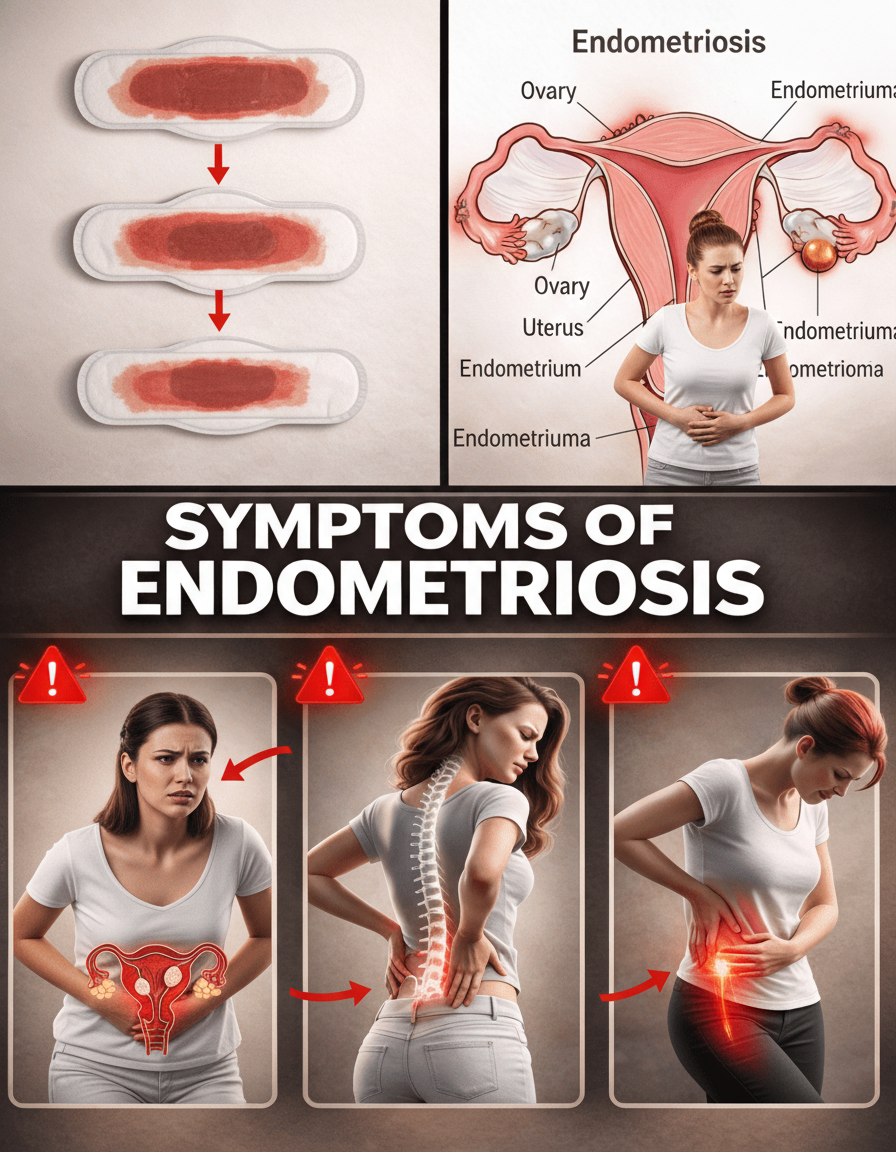
Excessive menstrual bleeding that necessitates frequent changes of pads or tampons (e.g., every hour or two), along with the passage of large blood clots or unusually prolonged periods (lasting more than seven days), may strongly suggest endometriosis. Furthermore, spotting or bleeding between menstrual cycles can also occur. This symptom is often linked to hormonal imbalances and the inflammatory processes associated with endometriosis, as highlighted by various health resources. Comparing your experiences to what is generally considered typical for others can be insightful.
9. Painful Bowel or Urinary Experiences During Periods
Discomfort, increased urgency, or outright pain when using the bathroom, particularly around the time of your menstruation, serves as another crucial clue. This might manifest as cyclical diarrhea, constipation, painful bowel movements, or even traces of blood in urine or stool. Endometrial lesions on or near the bowel or bladder can cause these cycle-linked issues. If your bathroom routines feel strained or unusually painful during your period, it’s a symptom that demands attention.
8. Persistent Fatigue That Drains You
Feeling overwhelmingly tired or having persistently low energy levels, even after adequate rest, is a common complaint among women with endometriosis, often intensifying during menstrual periods. Many report experiencing significant brain fog and profound exhaustion. Research indicates that chronic inflammation, a hallmark of endometriosis, contributes significantly to this debilitating fatigue. Imagine struggling to push through your day despite getting what seems like sufficient sleep – this level of exhaustion is a key warning sign.
7. Bloating and Digestive Discomfort
Abdominal swelling, persistent nausea, or general digestive upset that noticeably flares up with your menstrual cycle can be indicative of endometriosis. While these symptoms can resemble irritable bowel syndrome (IBS), their cyclical nature and severity often point towards endometriosis, particularly when there is involvement of the gut. If bloating feels unusually uncomfortable, painful, or disproportionate to your diet, it could be a related symptom.
6. Challenges with Conception (Infertility)
Difficulty getting pregnant after several months of trying is a significant concern, affecting up to 50% of women diagnosed with endometriosis-related infertility. The inflammation, scarring, and adhesions caused by endometriosis can interfere with ovulation, fertilization, and implantation. This frustration stemming from unexplained delays in conception is a common experience. If you are actively trying to conceive and facing such challenges, it is a strong signal to explore endometriosis as a potential cause.
5. Pain in the Lower Back, Hips, or Legs
Discomfort that radiates to your lower back, hips, thighs, or even down your legs, sometimes mimicking sciatica, often stems from pelvic inflammation associated with endometriosis. This referred pain can occur cyclically during your periods or even be a constant presence. It results from nerve irritation or the presence of endometrial implants on nerves or ligaments in the pelvic region. If you experience unexplained pain in these areas, especially if it worsens cyclically, it’s a symptom that should not be overlooked.