 By admin
 Unlocking Vitality: The Simple Daily Ritual of Purple Plant Herbal Tea for Enhanced Circulation and Urinary Comfort
For many individuals over 45, the gradual onset of subtle changes like suboptimal circulation and minor shifts in urinary patterns can quietly influence daily well-being. Experiences such as persistently cool hands, a feeling of heaviness in the legs, or disrupted sleep due to frequent nighttime bathroom visits, though often attributed to natural aging, can cumulatively diminish energy levels and self-assurance. A growing number of people are seeking gentle, natural adjuncts to their wellness regimen, avoiding drastic interventions. This is precisely where the remarkable benefits of a vibrant purple herbal tea come into focus. By the conclusion of this comprehensive guide, you’ll uncover an effortlessly simple method to integrate this therapeutic beverage into your daily routine.
Why Circulation and Urinary Comfort Matter More Than You Think
Beyond its critical role in cardiovascular health, robust circulation profoundly impacts your overall vitality. It dictates your energy levels, the efficiency of post-activity recovery, and even the warmth retained in your extremities during colder periods. Similarly, optimal urinary wellness is fundamental to restful sleep and consistent daily comfort. Various factors, including hormonal fluctuations, hydration practices, and even low-grade inflammation, can significantly affect urinary frequency and urgency. What is frequently underestimated is the profound impact that small, consistent lifestyle adjustments can yield. It is within this context that the potential of purple plant herbal teas is increasingly recognized.
What Is Purple Plant Herbal Tea?
It is important to clarify that ‘purple plant herbal tea’ refers not to a singular botanical species, but rather a diverse collection of naturally vibrant infusions. These captivating beverages are crafted from antioxidant-rich flowers or leaves, encompassing varieties such as:
- Hibiscus (Hibiscus sabdariffa), renowned for its striking deep red-purple calyces.
- Butterfly Pea Flower (Clitoria ternatea), whose bright blue petals famously transform into a rich purple hue upon the addition of lemon.
- Purple Leaf Tea varieties (Camellia sinensis), distinguished by their high concentration of beneficial anthocyanins.
These botanicals are highly valued for their intense pigmentation, primarily attributed to anthocyanins. These potent antioxidants are increasingly recognized in scientific literature for their role in vascular and cellular health. Furthermore, their long-standing traditional applications in promoting circulation and urinary comfort are now undergoing rigorous examination in contemporary scientific reviews.
The Everyday Impact of Antioxidants on Circulation
Oxidative stress, characterized by an imbalance between harmful free radicals and protective antioxidants, can progressively compromise the flexibility and integrity of blood vessels. Anthocyanins, the natural pigments responsible for the distinct purple coloration of these plants, are extensively researched for their potential to bolster endothelial function – the crucial inner lining of blood vessels. Emerging scientific reviews indicate that these powerful compounds may:
- Facilitate healthy blood flow.
- Encourage vessel relaxation.
- Contribute to overall cardiovascular equilibrium.
It is vital to understand that these benefits manifest not as immediate, dramatic transformations, but rather as the result of consistent, supportive nourishment over time. Therefore, regularity in consumption is paramount.
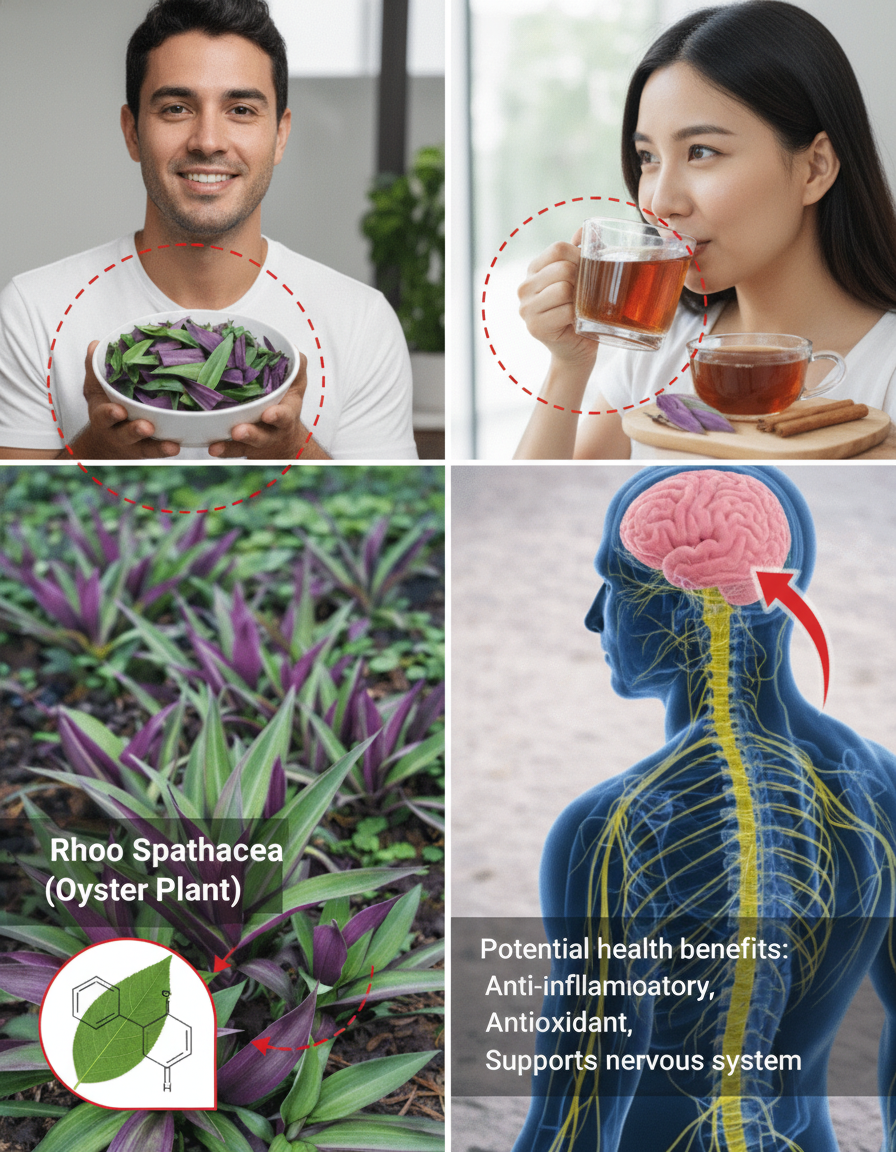
Potential Benefits of Purple Plant Herbal Tea
Let’s delve into the specific, evidence-backed potential advantages of incorporating purple plant herbal tea into your lifestyle, presented clearly and realistically.
1. Antioxidant Support for Vessel Health
The anthocyanins abundant in hibiscus and various purple tea varieties are extensively investigated for their potent antioxidant capabilities. Preliminary research suggests these compounds may play a role in safeguarding blood vessels against oxidative damage and strain. By maintaining the health and resilience of blood vessels, they consequently foster more efficient circulation, which, over time, can translate into enhanced feelings of warmth and sustained energy.
2. Support for Healthy Blood Pressure Balance
A number of smaller clinical investigations focusing on hibiscus tea have noted modest reductions in blood pressure among adult participants who consumed it consistently. While individual physiological responses can differ, this observed effect is a key reason hibiscus is frequently highlighted in discussions concerning cardiovascular well-being. Crucially, if you are currently managing or monitoring your blood pressure, it is imperative to consult with your healthcare provider before introducing this tea into your regimen.
3. Gentle Diuretic Properties
Historically, both hibiscus and butterfly pea flower have been recognized for their mild diuretic qualities, which can gently aid in promoting healthy urine production. This traditional application may contribute to:
- A sensation of reduced fluid retention or ‘heaviness.’
- Subtle support for natural urinary flow.
- Overall balance in hydration.
It is important to emphasize that moderation is key; consuming excessive amounts does not equate to greater benefit.
4. Anti-Inflammatory Plant Compounds
Chronic low-grade inflammation can adversely affect both vascular integrity and urinary comfort. The rich array of polyphenols present in purple teas is currently under scientific scrutiny for its potential soothing and anti-inflammatory attributes. While this tea should not be regarded as a medical treatment, these beneficial compounds can serve as a complementary element within a holistic lifestyle approach aimed at graceful and balanced aging.
5. A Simple, Accessible Wellness Ritual
Perhaps one of the most compelling aspects of purple plant herbal tea is its simplicity and accessibility as a wellness practice. It is an affordable, straightforward, and genuinely enjoyable addition to any daily routine. The vibrant hues of a freshly brewed cup can elevate a mundane hydration habit into a cherished, mindful moment of self-care. Ultimately, consistent integration of this ritual may well prove to be its most significant and enduring benefit.
To summarize the potential benefits and the current scientific understanding, consider the following:
| Aspect | Potential Support | What Research Suggests |
|---|---|---|
| Circulation | Promotes vessel relaxation and healthy blood flow | Studies, particularly on hibiscus, demonstrate promising trends in supporting vascular function. |
| Urinary Comfort | Offers mild diuretic action and supports fluid balance | Backed by traditional use and increasingly supported by emerging scientific insights. |
| Antioxidant Protection | Provides cellular and vascular defense against oxidative stress | Reviews on anthocyanins consistently highlight their encouraging role in antioxidant activity. |
| Anti-Inflammatory Effects | Contains compounds with soothing, anti-inflammatory properties | Polyphenols are being actively studied for their potential to mitigate low-grade inflammation. |