 By admin
 Unraveling Foot Numbness and Pain: 3 Critical Health Conditions You Shouldn’t Ignore
Have you ever experienced a persistent tingling, a feeling of ‘pins and needles,’ or a complete loss of sensation in your feet that simply wouldn’t subside? While it’s common for many to dismiss these sensations as temporary annoyances from prolonged sitting or ill-fitting footwear, their frequent occurrence can significantly disrupt daily life. Simple actions like walking may become uncomfortable or even hazardous, leading to concerns about overall mobility and well-being. The good news is that understanding the potential underlying causes empowers you to take proactive steps towards improving your foot health. Stay with us until the end, as we reveal a surprising, yet simple, habit that could dramatically influence how you manage these troubling sensations.
What Exactly Is Foot Numbness and Pain?
Foot numbness refers to a diminished or complete absence of feeling in the feet, often characterized by a ‘pins and needles’ sensation. This occurs when the intricate communication signals between the nerves in your feet and your brain are disrupted. Such interruptions can stem from transient pressure, like crossing your legs for an extended period, or indicate more chronic issues related to circulation or nerve function. Conversely, foot pain can manifest as a sharp, burning, dull, or aching sensation.
When numbness and pain coexist in the feet, it frequently signals the involvement of either the nervous system or blood flow. Recognizing these combined symptoms early can help identify patterns in your experiences. Leading health organizations, such as the Mayo Clinic, report that millions are affected by these issues annually, underscoring the vital importance of early attention and intervention.
1. Peripheral Neuropathy: A Deeper Dive into Nerve Challenges
Peripheral neuropathy develops when nerves located outside the brain and spinal cord sustain damage, leading to those characteristic tingling, burning, or numb sensations, particularly in the feet. Diabetes is a frequently associated condition, as sustained high blood sugar levels can progressively impair nerve health, especially in the lower extremities. Key symptoms often include ongoing tingling, a persistent burning feeling, or even an exaggerated sensitivity to light touch. You might also notice muscle weakness that impacts balance and coordination. Interestingly, research highlighted in the Journal of the American Medical Association suggests that lifestyle factors play a significant role in the development and progression of these nerve-related concerns.
Common Triggers for Peripheral Neuropathy
- Elevated blood glucose levels, often seen in conditions like diabetes.
- Specific nutritional deficiencies, such as a lack of vitamin B12.
- Exposure to certain environmental toxins or side effects from particular medications.
If you’re experiencing these signs, meticulously tracking your daily habits can offer invaluable insights for diagnosis and management.
Simple Steps to Monitor Nerve Health
Initiating a symptom journal is an excellent first step. Document precisely when numbness or pain occurs, what activities you were engaged in, and any potential patterns linked to your meals or physical activity. This detailed record can serve as an exceptionally useful tool when you consult with a healthcare professional.
2. Tarsal Tunnel Syndrome: When Nerve Compression Causes Discomfort
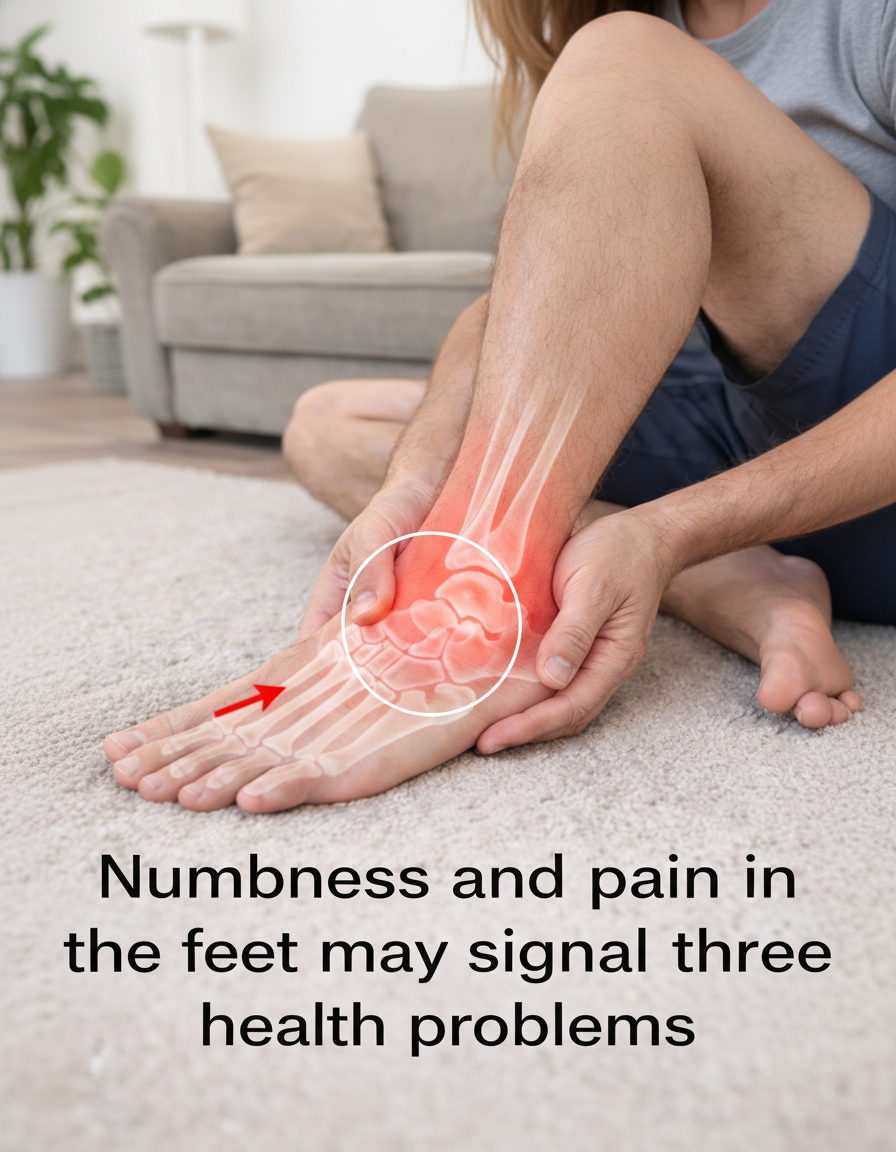
Visualize a confined passage in your inner ankle, known as the tarsal tunnel, through which a vital nerve courses. When this area becomes compressed or squeezed, it can disrupt nerve signals, leading to numbness, tingling, or pain that radiates along the sole of the foot. This compression can arise from swelling following an injury, or from structural foot irregularities like flat arches. Moreover, repetitive strain from activities such as running on hard surfaces can also be a contributing factor. According to expert insights from the American Orthopaedic Foot & Ankle Society, many individuals unfortunately overlook this condition until it significantly impedes their mobility.
Signs That Point to Tarsal Tunnel Issues
- A burning or aching sensation that intensifies with prolonged standing or walking.
- Tingling that originates from the ankle and extends into the toes.
- Localized swelling observed around the inner ankle region.
Early recognition of these indicators can empower you to adopt proactive foot care strategies and seek timely medical advice.
Everyday Adjustments for Ankle Comfort
Consider incorporating gentle stretching exercises into your daily routine. For instance, while seated with your legs extended, gently point your toes towards your body and hold this position for approximately 20 seconds. Repeating this stretch a few times daily can foster flexibility and alleviate tension without causing undue strain on the ankle.
3. Raynaud’s Phenomenon: Circulation’s Critical Role in Foot Sensations
Not all instances of foot numbness are solely attributable to nerve issues; sometimes, the root cause lies in compromised blood flow. Raynaud’s phenomenon is a condition characterized by an exaggerated narrowing of blood vessels, typically in response to cold temperatures or emotional stress. This constriction severely limits blood circulation to the toes and feet, causing them to feel intensely cold and numb. Affected skin may temporarily turn pale or even bluish. Relief often ensues as warmth returns and blood flow normalizes. Research from the National Institutes of Health indicates that this condition affects up to 5% of the general population, with a higher prevalence observed in colder climates.
Factors Influencing Circulation in Raynaud’s
- Exposure to cold environments or objects.
- Periods of heightened emotional stress.
- Certain medications, including some beta-blockers or decongestants.
- Underlying medical conditions, such as autoimmune diseases.
Understanding these triggers is crucial for managing symptoms and preventing episodes.
Ultimately, whether you’re experiencing foot numbness, pain, or both, these symptoms are your body’s way of signaling that something warrants attention. While this article has explored three common culprits – peripheral neuropathy, tarsal tunnel syndrome, and Raynaud’s phenomenon – it’s important to remember that self-diagnosis is not a substitute for professional medical evaluation. Consulting a healthcare provider is essential for an accurate diagnosis and a tailored treatment plan. Paying heed to these early warnings can significantly contribute to maintaining your mobility, comfort, and overall foot health in the long run. And that surprising habit we mentioned earlier? It’s as simple as regularly changing your socks and ensuring your footwear fits correctly to prevent unnecessary pressure and maintain optimal foot hygiene. Small changes can make a big difference!