 By admin
 It’s common for individuals to dismiss subtle shifts in their physical well-being, often attributing them to the pressures of daily life, the natural aging process, or general stress. However, seemingly minor issues like persistent fatigue even after adequate rest, or cuts and bruises that heal at an unusually slow pace, could be indicators of a more significant underlying health condition. These persistent frustrations can gradually erode your energy levels, impair focus, and diminish your overall quality of life, especially when conventional remedies like more sleep or increased hydration fail to provide relief. The key to mitigating these challenges lies in early detection. Recognizing these potential early warning signs of diabetes empowers you to consult healthcare professionals promptly and make proactive, informed lifestyle adjustments. Stick with us, as we unveil a crucial insight that brings this all into perspective.
Understanding Diabetes and Its Early Indicators
Diabetes is a chronic condition that impacts the body’s ability to regulate blood sugar (glucose) levels effectively. Crucially, many early signs of diabetes manifest well before a definitive diagnosis is made. Startling statistics from reputable health organizations like the Centers for Disease Control and Prevention (CDC) and the American Diabetes Association reveal that more than one in ten U.S. adults are living with diabetes, and nearly one in three are affected by prediabetes. These conditions frequently progress insidiously, making heightened awareness absolutely vital. Furthermore, compelling research underscores the profound benefit of identifying these indicators early; it facilitates prompt consultation with medical professionals, which can lead to more effective disease management through tailored lifestyle modifications and interventions.
Key Tests for Monitoring Blood Sugar Levels
If you suspect you might be exhibiting early diabetes symptoms, understanding the primary diagnostic tests is crucial. These tests help healthcare providers assess your blood glucose levels and determine if further action is needed:
- Fasting Plasma Glucose Test: This test measures your blood sugar after an 8-12 hour fast.
- Normal: Below 100 mg/dL
- Prediabetes: 100-125 mg/dL
- Diabetes: 126 mg/dL or higher
- HbA1c Test: Also known as the A1C test, it provides an average of your blood sugar levels over the preceding two to three months.
- Normal: Below 5.7%
- Prediabetes: 5.7-6.4%
- Diabetes: 6.5% or higher
- Oral Glucose Tolerance Test (OGTT): After an initial fast, you consume a sugary drink, and your blood sugar is measured two hours later.
- Normal: Below 140 mg/dL
- Prediabetes: 140-199 mg/dL
- Diabetes: 200 mg/dL or higher
Research from institutions like the National Institute of Diabetes and Digestive and Kidney Diseases consistently highlights that even results hovering at the “borderline” can signify a need for vigilant monitoring and potential lifestyle interventions to prevent progression to full-blown diabetes.
15 Critical Early Warning Signs of Diabetes to Recognize
Below, we delve into 15 specific early diabetes warning signs, supported by scientific understanding. It’s imperative to remember that while these indicators are crucial for increasing diabetes awareness, they are not diagnostic tools. Instead, they serve as vital prompts to seek professional medical advice and evaluation.
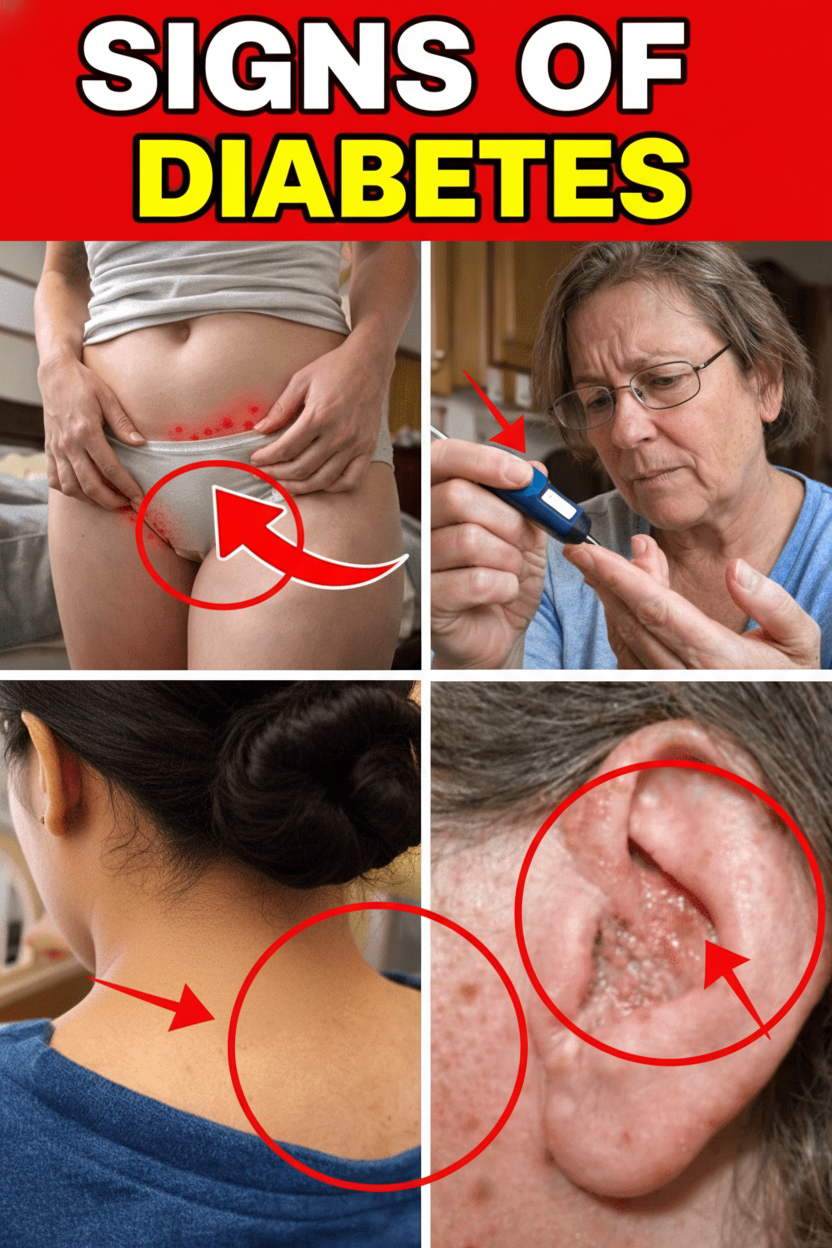
1. Tingling, Burning, or Numbness in Hands and Feet (Peripheral Neuropathy)
A common early symptom of diabetes is a persistent “pins and needles” sensation, burning, or numbness, typically affecting the hands and feet. This nerve damage, known as peripheral neuropathy, is often a consequence of elevated blood glucose levels over time. Initially, these sensations might be mild and more noticeable during nighttime hours. A study published in the Journal of the American Medical Association indicates that these subtle nerve alterations can commence even during the prediabetes phase. For instance, a person might initially dismiss mild leg tingling, only to discover later through medical testing that it’s directly related to their blood sugar regulation.
2. Dark, Velvety Skin Patches (Acanthosis Nigricans)
The appearance of dark, thickened, and velvety patches of skin, particularly in body folds such as the neck, armpits, or groin, is a significant diabetes warning sign called Acanthosis Nigricans. These skin changes are frequently associated with insulin resistance, a precursor to type 2 diabetes. The affected skin areas may gradually darken and feel coarser. Research from the American Academy of Dermatology consistently identifies this condition as a prevalent marker, especially in individuals with higher body mass. If you’ve observed such changes, it’s a vital detail to discuss with your doctor.
3. Slow Digestion and Persistent Fullness (Gastroparesis)
Experiencing unusually slow digestion, leading to prolonged feelings of fullness or bloating after eating, can be another early symptom of diabetes. This condition, medically termed gastroparesis, involves a delay in the stomach’s emptying process. Elevated blood sugar levels can impair the function of digestive muscles, slowing