 By admin
 Winter Skin Woes: Effective Home Remedies for Itchy Rashes Under Your Breasts When a Doctor Isn’t Available
The arrival of winter often brings with it a host of skin challenges. Between the biting cold and low humidity outdoors and the dry, heated air indoors, your skin can become parched and highly susceptible to irritation. A particularly common and uncomfortable issue is an itchy rash under the breasts. This delicate area is especially vulnerable, as layers of winter clothing can trap warmth and moisture, creating an ideal environment for skin flare-ups that undermine your comfort and confidence. While consulting a healthcare professional is always ideal, there are practical at-home remedies you can employ to alleviate the itch and discomfort immediately, especially when a doctor isn’t readily available. Continue reading to uncover simple yet effective strategies for managing this winter skin irritation, including a surprising household item that could be key to prevention.
Why Winter Makes Your Skin Prone to Under-Breast Rashes
The colder months significantly challenge your skin’s protective barrier. The combination of low outdoor humidity and constant indoor heating actively depletes your skin’s natural moisture, leading to dryness. Specifically, the skin folds under your breasts become a prime location for problems. Here, warmth and dampness are easily trapped, and constant friction from bras or winter clothing can chafe the sensitive skin. According to dermatology experts, including insights from the American Academy of Dermatology, these conditions frequently contribute to a common inflammatory skin condition known as intertrigo. While often not severe, early recognition is crucial for effective management. Furthermore, factors such as excessive sweating due to heavy sweaters or certain synthetic fabrics can exacerbate this already sensitive area, intensifying the irritation.
Recognizing the Symptoms of a Common Under-Breast Rash
Identifying the early signs of an itchy rash under your breasts is vital for prompt treatment. Typically, you’ll observe redness within the skin fold. This area might feel intensely itchy or present a mild burning sensation, especially with movement. A shiny or raw texture often points to persistent moisture accumulation. In some instances, a subtle, unpleasant odor could signal the presence of a yeast infection. Research published in journals such as the Journal of Clinical Medicine indicates that these symptoms frequently intensify during winter, largely due to the increased use of layered clothing. For mild and localized irritations, initial at-home relief strategies can often provide temporary comfort.
When to Seek Professional Medical Attention
While many under-breast rashes can be managed at home, it’s crucial to recognize when symptoms warrant immediate medical consultation. Be vigilant if the pain rapidly intensifies or if the redness begins to spread beyond the initial area. The presence of oozing, pus, or fluid-filled blisters are clear indicators of a potential infection. Furthermore, if you develop a fever or chills, these are serious warning signs. Health resources from the Mayo Clinic emphasize that such symptoms could indicate a more severe condition like cellulitis, which requires prompt medical intervention. Ignoring these critical signs could lead to serious complications, so meticulous monitoring is essential.
Gentle Cleansing: Your First Step Towards Relief
The initial step in addressing an itchy rash under your breasts is gentle cleansing. Carefully wash the affected area using lukewarm water and a mild, unfragranced cleanser. It’s important to steer clear of harsh soaps, as these can strip away your skin’s natural protective oils and worsen irritation. After washing, gently pat the skin dry with a soft towel; avoid any rubbing motions. Performing this routine once or twice daily helps to eliminate irritants and prevent further inflammation. Dermatologists consistently recommend this approach as a foundational practice for managing sensitive skin folds.
Effective Drying Strategies to Eliminate Moisture
Excess moisture is a primary contributor to the development and persistence of rashes under the breasts. Following your gentle cleansing, carefully lift the breast to expose the skin fold and thoroughly pat it dry. To ensure complete dryness, consider using a cool fan or a hairdryer on its lowest, coolest setting to air out the area. This straightforward technique can rapidly diminish itching, as properly dried skin is far more conducive to healing. Remember to repeat this crucial drying process anytime the area becomes damp from sweating.
Creating a Protective Barrier with Creams
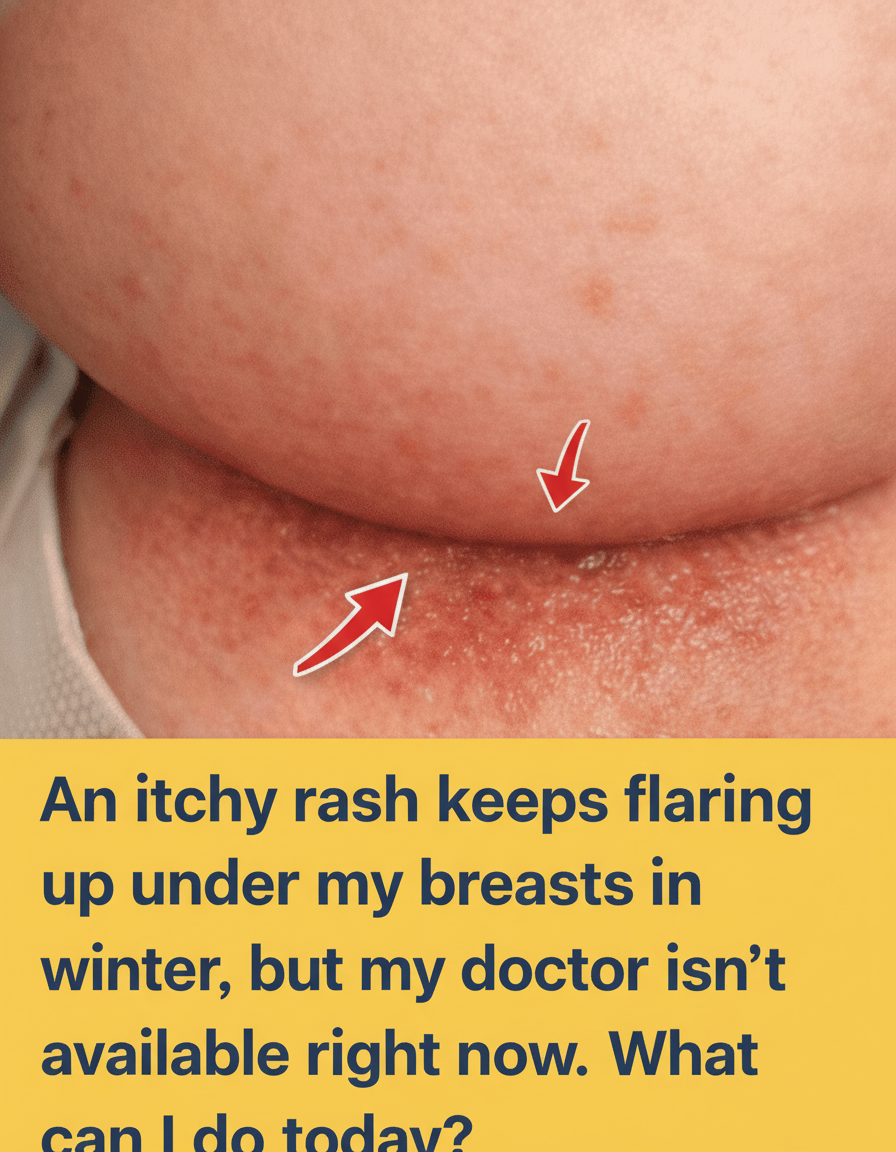
Once the area is clean and dry, applying a protective barrier cream can significantly aid healing and prevent further irritation. Over-the-counter options like zinc oxide or petroleum jelly are highly effective. Apply a thin, even layer to the affected skin folds to create a physical shield against both friction and moisture. Diaper rash creams, which often contain zinc oxide, are also an excellent and readily available choice for this purpose. Numerous skin health studies support the use of barrier creams in the effective management of intertrigo and similar irritations.
Addressing Potential Yeast Infections with OTC Antifungals
If your under-breast rash remains persistently red and doesn’t respond to basic care, a yeast infection might be contributing to the problem. In such cases, consider using over-the-counter antifungal creams. Products containing active ingredients like clotrimazole or miconazole are widely available at most pharmacies. Apply the cream twice daily for at least a week, continuing even if you observe improvement in symptoms. Healthline articles confirm that these antifungals are generally safe for short-term application in sensitive areas. For optimal results in treating a yeast infection under breasts, always combine antifungal treatment with meticulous drying techniques.
Utilizing Powders to Manage Excess Moisture and Chafing
To maintain dryness and minimize friction, especially when wearing layers, powders can be highly beneficial. Choose talc-free or dedicated anti-chafing powders. After thoroughly drying the skin folds, lightly sprinkle the powder over the affected area. It’s important to avoid using cornstarch if you suspect a yeast infection, as cornstarch can potentially promote yeast growth. This simple step helps to absorb excess sweat and prevent the chafing under breasts that often occurs with winter clothing.
Smart Clothing Choices for Rash Prevention and Comfort
Your clothing choices play a significant role in managing and preventing under-breast rashes. Prioritize breathable fabrics; for instance, cotton bras are excellent at wicking away moisture from the skin. During a flare-up, avoid tight underwire bras, which can exacerbate irritation. Layering with a soft, moisture-wicking tank top can also provide an additional barrier. Always change out of damp or sweaty clothing promptly to keep the area dry. Experts, including those at WebMD, consistently highlight the importance of breathable materials for healthy winter skin care. A key tip: opting for looser-fitting garments will significantly reduce friction against sensitive skin.
Immediate Relief: Quick Soothing Techniques for Itching
When an itchy rash under your breasts strikes, immediate relief can be crucial. Cool compresses are an excellent way to provide instant calm; apply one to the affected area for 10-15 minutes. Additionally, over-the-counter anti-itch lotions containing ingredients like menthol or pramoxine can help to numb the sensation and reduce discomfort. However, use these sparingly and carefully in such sensitive areas. These soothing methods can offer temporary respite while your other long-term management strategies begin to take effect.
Proactive Daily Habits for Long-Term Prevention
Preventing the recurrence of an itchy rash under breasts involves making small but impactful adjustments to your daily routine. Firstly, keep your showers short and use lukewarm, rather than hot, water to avoid stripping natural skin oils. Introducing a humidifier into your living or sleeping space can significantly combat the dry indoor air of winter, helping to maintain skin moisture. When it comes to laundry, always opt for fragrance-free detergents and avoid fabric softeners, as these can leave irritating residues on clothing that come into contact with your skin. By adopting these proactive measures, you can create an environment less conducive to skin irritation and promote healthier skin throughout the winter.