 By admin
 Euphorbia Hirta for Holistic Wellness: Exploring Its Traditional Applications and Benefits
Navigating the demands of modern life often brings common wellness challenges, from occasional respiratory discomfort to the minor aches associated with an active lifestyle. These seemingly small issues can accumulate, impacting your overall vitality and making it harder to maintain daily momentum. Exploring botanical solutions, such as Euphorbia Hirta, a plant deeply rooted in traditional medicine, offers a fascinating avenue for enhancing well-being. This guide will delve into its historical applications and benefits, and we’ll even share a surprisingly simple preparation method to help you integrate it into your routine.
What Is Euphorbia Hirta?
Euphorbia Hirta, commonly known as the ‘Asthma Plant’ in some regions, is a modest herbaceous flora prevalent across tropical zones globally. While its popular moniker hints at specific traditional uses, its historical applications in folk medicine span far wider across diverse cultures. For centuries, communities, particularly in Asia and Africa, have relied on this versatile herb for general wellness support. Beyond its rich past, contemporary scientific interest in Euphorbia Hirta is growing, driven by its complex array of bioactive compounds currently under investigation. This resilient plant flourishes readily in warm environments, often observed as a common wild herb in agricultural areas or home gardens. Despite its unassuming appearance, characterized by simple leaves and inconspicuous flowers, Euphorbia Hirta is remarkably potent. It contains a wealth of phytochemicals, such as beneficial flavonoids and tannins, which are believed to underpin its long-standing therapeutic reputation.
Traditional Uses for Respiratory Support
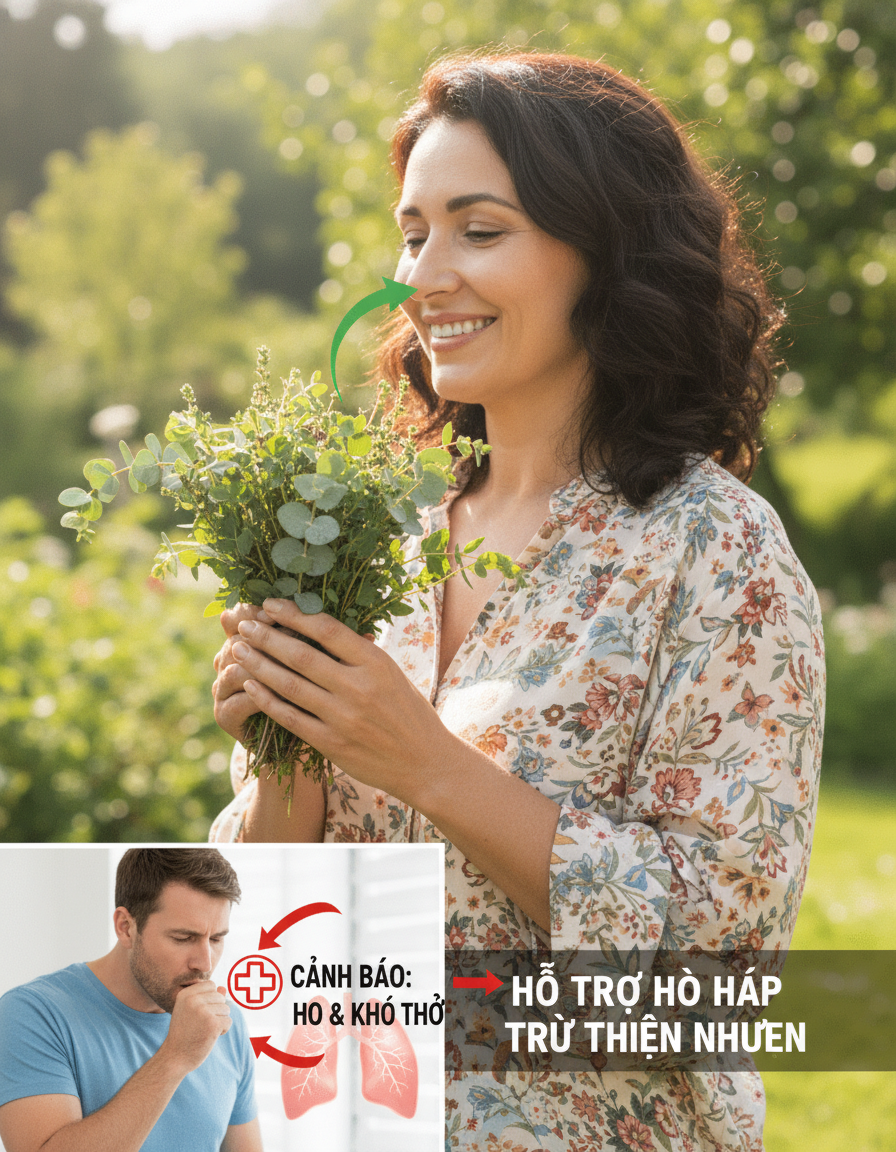
Across numerous traditional medicinal practices, Euphorbia Hirta has been a staple for maintaining respiratory comfort, especially during seasonal transitions or amidst everyday exertions. Indigenous populations in tropical locales have historically crafted soothing infusions from its leaves to aid with occasional breathing difficulties. Emerging scientific inquiry indicates that specific constituents within the herb might possess properties that encourage airway relaxation, as suggested by initial research. A notable review published in the Journal of Ethnopharmacology, for instance, underscores its significant historical presence in herbal remedies aimed at promoting respiratory wellness. Furthermore, many traditional users recount finding relief by consuming Euphorbia Hirta as a tea, appreciating its calming effects during periods of mild discomfort. It is crucial to remember, however, that these are traditional insights, and individual responses to herbal remedies can vary considerably.
Exploring Anti-Inflammatory and Pain-Relief Properties
Beyond its respiratory uses, the traditional uses of Euphorbia Hirta frequently extend to addressing everyday inflammation, whether stemming from strenuous physical activity or routine stressors. Within herbal traditions, it is highly regarded for its potential to alleviate minor aches, such as those resulting from overexertion or associated with women’s monthly cycles. Scientific investigations, including findings detailed in reputable journals like Phytotherapy Research, have demonstrated that extracts from the plant exhibit notable anti-inflammatory capabilities in controlled laboratory environments. This evidence positions Euphorbia Hirta as a compelling subject for individuals seeking natural avenues to foster joint comfort and support overall physical recovery. A crucial consideration is that integrating this herb into a holistic wellness regimen, alongside a balanced lifestyle, may amplify its perceived advantages. Nevertheless, it is always prudent to maintain realistic expectations and seek guidance from credible health resources.
Supporting Menstrual Wellness Naturally
In the realm of traditional medicine, Euphorbia Hirta is frequently employed to encourage menstrual regularity and support women’s overall reproductive health. Particularly in practices originating from India and Southeast Asia, it has been historically utilized to manage common monthly experiences. Various anecdotal accounts indicate its potential to assist with healthy flow and enhance comfort during menstruation. Furthermore, nascent scientific exploration, as evidenced by studies published in the International Journal of Pharmacy and Pharmaceutical Sciences, is delving into its potential influence on hormonal equilibrium. This represents merely one facet of its broad utility. Thoughtfully incorporating Euphorbia Hirta can form a valuable component of a comprehensive, holistic wellness strategy, with many women valuing its mild properties when integrated into their daily health practices.
Potential Role in Immune System Support
Euphorbia Hirta is increasingly recognized for its potential contributions to immune system health, attributed to its rich composition of natural compounds. Historically, practitioners have incorporated this herb into wellness protocols, especially during seasonal transitions, to enhance the body’s natural resilience. Early laboratory investigations, cited in prestigious publications such as BMC Complementary Medicine and Therapies, suggest the presence of immunomodulatory properties. The antioxidants found within this botanical may also contribute to overall vitality; however, comprehensive human clinical trials are still required to fully understand these effects. Crucially, responsible and sustainable harvesting practices are paramount to ensure the continued availability of Euphorbia Hirta for future generations. Next, let’s explore practical methods for preparing and using this remarkable herb at home.
How to Prepare Euphorbia Hirta at Home
Are you ready to integrate Euphorbia Hirta into your daily wellness routine? To begin safely and effectively, consider these actionable steps. The crucial first step involves accurately identifying the plant to ensure you are using the correct species. (Further detailed preparation instructions would typically follow here).