 By admin
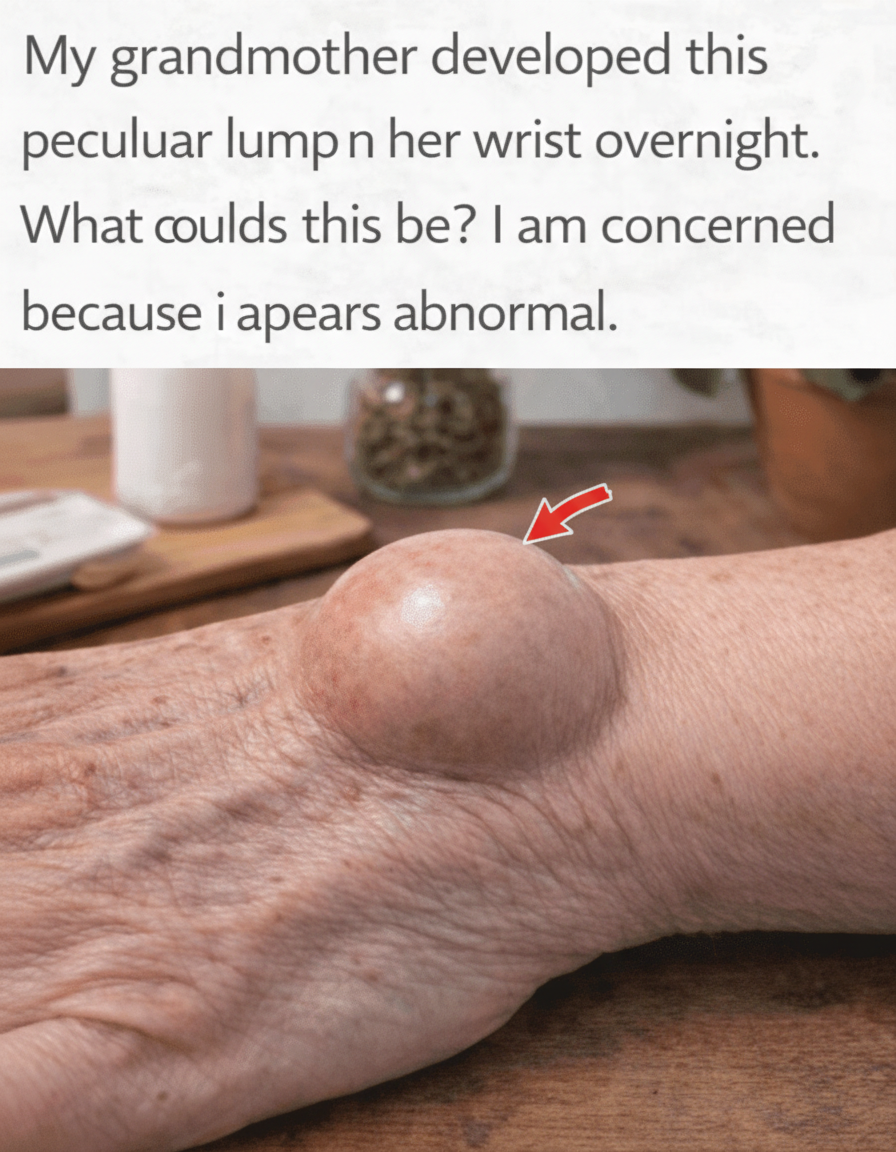
 One moment, everything seems perfectly normal. The next, you or an older loved one might discover a small, unexpected lump on the wrist. This sudden appearance can be unsettling, even alarming, especially when it seems to have materialized overnight. Naturally, the mind races through various possibilities, often landing on the most concerning ones.
However, it’s crucial to understand that not every new bump or swelling signifies a serious health issue. In fact, many common wrist lumps, particularly those affecting older adults, are benign conditions frequently encountered by medical professionals. By the end of this article, you’ll gain insight into the primary indicator doctors often look for to help demystify these sudden wrist changes.
Why a Sudden Wrist Lump Can Be So Concerning
It’s a natural human reaction to feel anxious when an unfamiliar change appears on the body. A lump on the wrist can be particularly noticeable and worrisome because the skin in this area is relatively thin, and the joint itself is constantly in motion. Even a minor alteration beneath the surface can become visibly prominent very quickly.
Several factors often contribute to this heightened anxiety:
- The lump was absent just hours before.
- Its shape appears unusual or distinctly rounded.
- It feels firm or solid to the touch.
- The affected area might feel sensitive or tight.
What many people don’t realize is the intricate anatomy of the wrist. It’s home to numerous small joints, tendons, and fluid-filled spaces. Due to this complex structure, it’s quite common for small pockets of fluid to accumulate and form a visible bump. Surprisingly, one of the most frequent culprits behind these wrist bumps is a condition known medically as a ganglion cyst. But that’s just one potential explanation, and understanding it is the first step.
Understanding What a Ganglion Cyst Is
A ganglion cyst represents one of the most prevalent reasons individuals discover a lump on their wrist. Essentially, it’s a non-cancerous sac filled with a thick, jelly-like fluid, typically developing near a joint or tendon. While these cysts commonly emerge on the back of the wrist, they can also appear on the palm side.
Orthopedic research consistently highlights that ganglion cysts account for a significant percentage of wrist lumps examined in clinical settings. Here are the typical characteristics that medical professionals observe:
- It presents as a round or oval bump.
- The skin overlying the lump usually appears smooth.
- Its size can vary, often ranging from that of a pea to a grape.
- It may feel firm or slightly spongy when palpated.
- The size can sometimes fluctuate over time.
Many individuals experience no pain whatsoever from a ganglion cyst. Others might report mild pressure or discomfort, particularly when moving the wrist. A surprising aspect for many families is how rapidly these cysts can appear, giving the impression that they developed virtually overnight.
Indicators Suggesting a Ganglion Cyst
When evaluating a wrist lump, doctors typically start with a series of simple observations. Certain signs can strongly suggest the presence of a ganglion cyst, differentiating it from potentially more serious conditions. These common indicators include:
- The lump exhibits slight movement beneath the skin.
- It becomes more pronounced or noticeable when the wrist is bent.
- The skin covering the lump appears healthy and normal.
- Its size might temporarily increase following physical activity.
It’s also worth noting that some ganglion cysts can spontaneously shrink or even disappear without any intervention. However, there’s an important caveat: if the cyst presses on nearby nerves, it can lead to additional symptoms, such as:
- Tingling sensations in the hand or fingers.
- Localized mild pain.
- Weakness when attempting to grip objects.
For these reasons, medical evaluation is highly recommended if symptoms change, worsen, or cause significant discomfort.
Other Potential Causes for a Wrist Lump
While ganglion cysts are indeed common, they are not the sole explanation for a lump on the wrist. Several other conditions can also manifest as wrist bumps, and doctors consider these possibilities during diagnosis:
- Lipoma: This is a soft, non-cancerous lump composed of fatty tissue that forms just beneath the skin.
- Bone Spur: Also known as an osteophyte, this is a small, bony growth that often develops in response to joint wear and tear over many years, commonly associated with osteoarthritis.
- Rheumatoid Nodules: These are firm lumps that can form under the skin near joints, often linked to certain inflammatory joint conditions like rheumatoid arthritis.
- Localized Infection: Swelling or a lump can sometimes be the result of a bacterial infection within the tissues of the wrist, leading to inflammation and pus collection.
Here’s a quick comparison of these conditions to help differentiate them:
| Condition | Texture | Pain Level | Growth Speed |
|---|---|---|---|
| Ganglion Cyst | Firm or Rubbery | Usually Mild/None | May Change Size |
| Lipoma | Soft | Rarely Painful | Slow |
| Bone Spur | Hard | Sometimes Painful | Slow |
| Infection | Tender/Warm | Often Painful | Faster |
| Rheumatoid Nodule | Firm | Usually None | Slow |
This brings us to a crucial question: when should you be genuinely concerned about a wrist lump?
Warning Signs That Require Prompt Medical Attention
The majority of wrist lumps are not medical emergencies. However, certain accompanying symptoms should never be overlooked and warrant immediate medical evaluation. Seek professional care quickly if the wrist lump is accompanied by any of the following:
- Severe or escalating pain.
- Noticeable redness or warmth around the lump.
- Fever or chills.
- Rapid increase in the lump’s size.
- Numbness or persistent tingling in the fingers or hand.
- Significant difficulty or inability to move the hand or wrist.
These signs could indicate a more serious underlying issue, such as an infection, significant nerve compression, or other conditions that require urgent diagnosis and treatment. Healthcare providers always prefer to assess changes early to ensure the best possible outcome.
How Doctors Evaluate a Wrist Lump
When you consult a doctor about a wrist lump, they will typically begin with a thorough physical examination. This involves observing the lump’s appearance, size, and location, as well as gently pressing on it to assess its texture and tenderness. They will also ask about your medical history, any associated symptoms, and how long the lump has been present.
Depending on their initial findings, further diagnostic tests may be recommended. These can include:
- X-rays: To check for bone spurs or other bone-related issues.
- Ultrasound: Often used to differentiate between fluid-filled cysts (like ganglion cysts) and solid masses.
- MRI (Magnetic Resonance Imaging): Provides detailed images of soft tissues, bones, and nerves, helpful for complex cases.
Ultimately, a professional diagnosis is essential to determine the exact nature of the wrist lump and to recommend the most appropriate course of action. If you or an older adult in your care discovers an unexpected wrist lump, especially with any concerning symptoms, prompt medical consultation is always the wisest step.