 By admin
 Imagine a bustling market scene: an elderly woman carefully places a leafy green into her grocery bag, perhaps noticing a few curious glances. To many onlookers, this plant might appear to be nothing more than a common garden weed. Yet, for centuries, this unassuming green, scientifically known as Portulaca oleracea, has been a quiet cornerstone in traditional diets across the globe. Many often overlook this resilient plant, unaware it harbors an exceptional array of nutrients rarely found together in typical vegetables. Before you dismiss it as mere wild foliage, know that purslane holds a remarkable secret, one that continues to captivate nutrition scientists – a revelation we’ll explore in depth further on.
What Exactly Is Purslane and Why Are Scientists Interested?
Purslane, a small, succulent leafy plant, thrives naturally in warm climates worldwide. In Mexico, it’s affectionately known as verdolaga and has been a staple in traditional cooking for centuries. Indeed, countless ancient Mexican recipes feature verdolaga prominently in hearty stews, comforting soups, or simply sautéed dishes. However, it’s the recent surge in modern nutrition science that has truly brought this plant into the spotlight. Researchers have noted that purslane contains an extraordinary combination of nutrients seldom coexisting in a single leafy green. Studies focusing on edible wild plants have consistently revealed that purslane is rich in:
- Omega-3 fatty acids: A rare plant-based source.
- Vitamins A, C, and E: Essential for various bodily functions.
- Potassium and Magnesium: Vital minerals for health.
- Natural antioxidants: Compounds that protect cells.
This unique nutrient profile is truly uncommon. While most leafy greens boast an abundance of vitamins, very few contain significant amounts of plant-based omega-3 fats. But the story doesn’t end there. Scientists have also identified compounds like melatonin and glutathione within purslane, both linked in scientific literature to robust cellular protection and powerful antioxidant activity. In essence, this small plant packs an astonishingly dense nutritional punch.
Purslane’s Nutritional Snapshot
| Nutrient | Why It Matters |
|---|---|
| Omega-3 fatty acids | Supports balanced nutrition and heart health |
| Vitamin A | Promotes healthy vision and skin |
| Vitamin C | Boosts immune system function |
| Magnesium | Aids nerve and muscle balance |
| Potassium | Supports proper hydration and heart rhythm |
It’s important to remember that no single food acts as a magical cure-all. However, incorporating a diverse range of plants into your diet can significantly enhance nutritional variety. Purslane, with its widespread availability and ease of growth, presents one of the simplest ways to achieve this.
Why Purslane Stands Apart from Other Greens
Here’s where purslane truly distinguishes itself. Most people associate omega-3 fatty acids with marine sources like fish and salmon, or perhaps nuts such as walnuts. Yet, purslane is one of the rare land plants that naturally contains these crucial fats. This unique characteristic often leads nutrition researchers to describe purslane as a nutrient-dense edible plant.
The benefits extend further. Laboratory analyses have also uncovered that purslane contains potent antioxidant compounds that actively help maintain normal cellular balance. To simplify this concept: our bodies are constantly exposed to stressors from environmental pollution, processed foods, and the natural aging process. Antioxidants are natural substances that assist the body in counteracting this stress, thereby preserving equilibrium. Foods renowned for their high antioxidant content typically include:
- Berries
- Olive oil
- Dark leafy green vegetables
- Herbs and spices
And purslane quietly, yet powerfully, joins this esteemed list. What many people frequently overlook is that because purslane grows so readily and naturally, it’s often dismissed as nothing more than a common “weed.” Nevertheless, traditional cultures have skillfully incorporated it into their cooking for centuries, long before modern nutritional science began to unravel its secrets. This serves as a powerful reminder: sometimes, the most valuable foods are those hiding in plain sight.
Simple and Delicious Ways to Enjoy Purslane
The good news is that purslane is incredibly versatile and easy to integrate into your culinary repertoire. Its flavor profile is distinctively fresh, with a slightly lemony tang, making it a delightful addition to a wide array of dishes. Here are a few straightforward ideas to get you started:
1. Refreshing Morning Smoothie
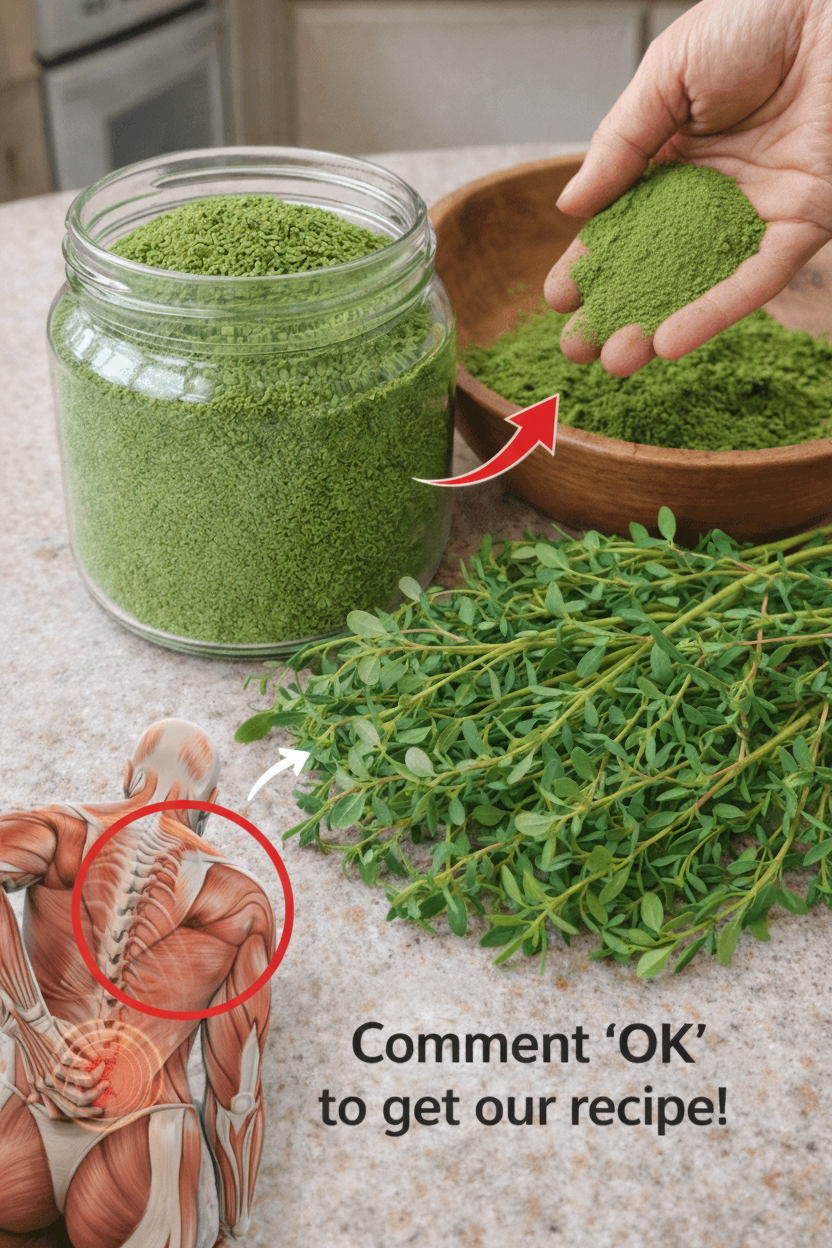
Combine the following ingredients for a vibrant, nutrient-packed drink:
- A generous handful of fresh purslane
- Half a green apple
- A squeeze of fresh lemon juice
- A small piece of ginger
- A cup of coconut water
Blend until smooth for a revitalizing beverage brimming with plant-based goodness.
2. Crisp Fresh Salad
Chop purslane and gently toss it with:
- Cherry tomatoes
- Sliced avocado
- Thinly diced red onion
- A drizzle of extra virgin olive oil
- A splash of apple cider vinegar
Given the tender nature of purslane leaves, they are exceptionally well-suited for raw preparations like salads.
3. Lightly Sautéed Purslane
Heat a small amount of olive oil in a pan and add:
- Minced garlic
- A pinch of turmeric
- Fresh purslane leaves
Sauté for just a few minutes. This quick method softens the leaves while preserving their unique flavor and most of their nutritional value. A popular tip among home cooks: purslane pairs wonderfully with eggs, various beans, and traditional Mexican sauces, enhancing their flavor and nutritional content.
Important Considerations Before Consuming Purslane
Before adding any wild plant to your meals, it’s crucial to exercise caution and ensure safety. While purslane is generally safe for consumption, especially when cultivated or purchased from reputable sources, here are a few practical tips:
- Positive Identification: If foraging, always be 100% certain of your identification. Misidentification of wild plants can be dangerous. Consider consulting a local expert or field guide.
- Source Cleanliness: Only harvest purslane from areas free of pesticides, herbicides, and animal waste. Avoid roadsides or industrial areas.
- Wash Thoroughly: Always wash purslane thoroughly under cold running water to remove any dirt, insects, or contaminants.
- Start Small: If you’re new to purslane, introduce it into your diet in small quantities to observe how your body reacts.
By keeping these simple precautions in mind, you can safely enjoy the remarkable nutritional benefits of this often-overlooked plant. Purslane truly exemplifies how nature’s simplest offerings can hold the most profound surprises for our health and well-being.