 By admin
 Introduction: The Hidden Dangers of Overindulgence in Peanuts
Peanuts are a cherished snack globally, frequently lauded as a nutritious choice due to their rich profile of vitamins and minerals. However, a lesser-known truth is that consuming them excessively or opting for the wrong varieties can introduce significant health risks. Have you ever enjoyed a generous handful of peanuts only to feel uncomfortably bloated afterward, or perhaps even experienced a more acute reaction? It’s possible you’re not consuming peanuts in the most beneficial way!
In this comprehensive guide, we will delve into 8 crucial factors to avoid when eating peanuts, ensuring you maximize their inherent benefits while effectively sidestepping potential health complications. Stay with us until the very end, as we’ll reveal a surprising insight that could fundamentally transform your approach to enjoying peanuts!
1. Overeating Peanuts
Why it’s a Problem:
While peanuts are indeed powerhouses of protein, healthy fats, and dietary fiber, they are also remarkably calorie-dense. Consuming them in large quantities can effortlessly lead to an excessive calorie intake, which, over time, contributes significantly to weight gain. Despite their impressive nutritional content, an abundance of peanuts will still elevate your risk of unhealthy weight accumulation.
How to Avoid:
Limit your daily intake to a modest handful, typically around 1 ounce or 28 grams. Remember, mindful portion control is paramount to harnessing their health advantages without incurring the undesirable consequence of surplus calories.
2. Eating Salted Peanuts
Why it’s a Problem:
Many commercially available peanuts are heavily salted or enhanced with various flavorings, substantially increasing your daily sodium intake. An excessive amount of sodium in your diet is strongly associated with elevated blood pressure, potential kidney issues, and a heightened risk of developing heart disease.
How to Avoid:
Prioritize unsalted peanuts or choose those roasted without any added salt. Always scrutinize product labels meticulously when purchasing store-bought peanuts to verify their sodium content.
3. Ignoring Peanut Allergies
Why it’s a Problem:
Peanut allergies rank among the most prevalent food allergies, capable of triggering severe, potentially life-threatening reactions, including anaphylaxis. Even a minuscule amount of peanuts can provoke a drastic response in highly sensitive individuals.
How to Avoid:
If you suspect you have a peanut allergy or possess a history of allergic reactions, it is imperative to consult with your physician before consuming peanuts. Individuals at risk of severe reactions should always carry an epinephrine auto-injector (EpiPen).
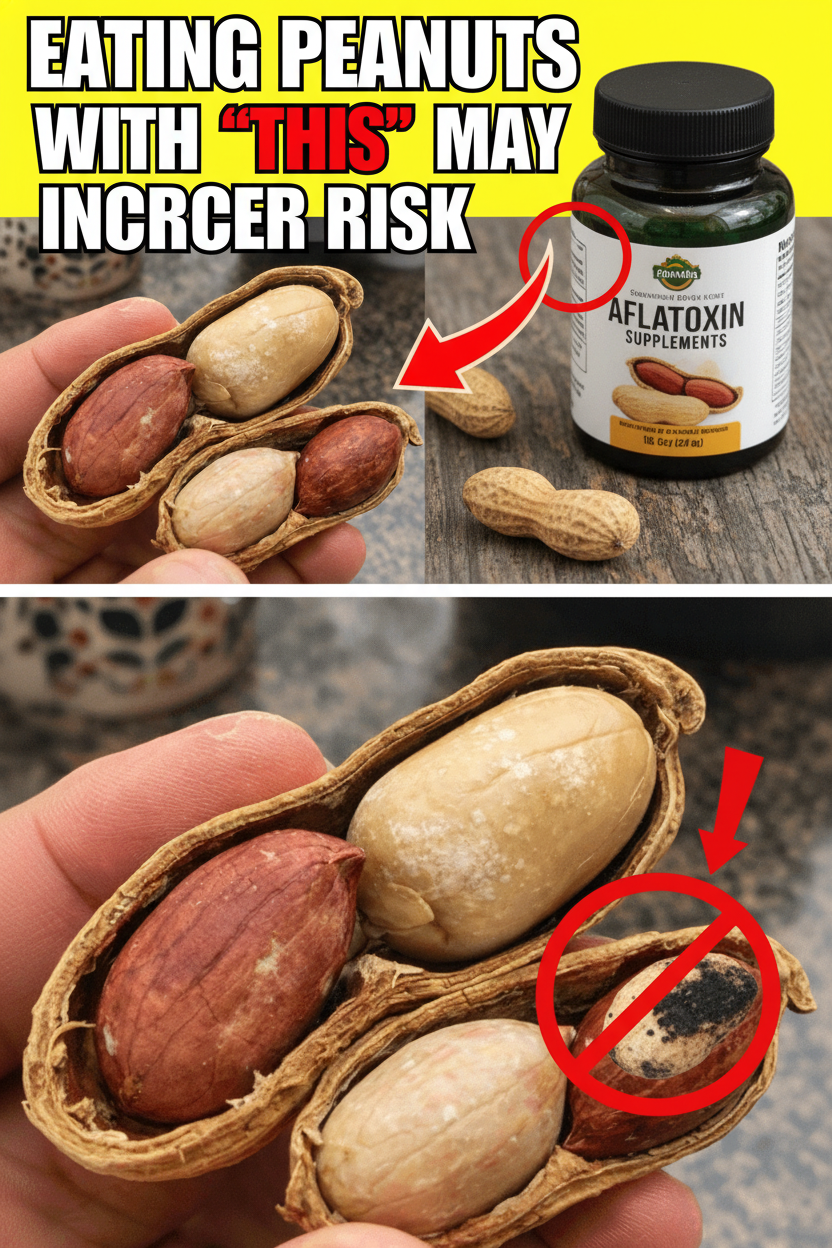
4. Eating Peanuts with Aflatoxins
Why it’s a Problem:
Aflatoxins are highly toxic compounds generated by specific molds that can flourish on peanuts, particularly when they are stored improperly. These toxins are classified as carcinogenic, meaning they possess the potential to cause significant liver damage and elevate the risk of cancer.
How to Avoid:
Always procure your peanuts from reputable and trusted suppliers. Ensure peanuts are stored in a cool, dry environment to effectively inhibit mold growth. Roasting peanuts at high temperatures can also contribute to reducing aflatoxin levels.
5. Consuming Raw Peanuts
Why it’s a Problem:
Raw peanuts naturally contain lectins, which can potentially lead to digestive discomfort in some individuals. Furthermore, they may harbor harmful bacteria or various toxins that could upset your stomach and overall digestive system.
How to Avoid:
Opt for roasted or boiled peanuts over raw ones to enhance both digestibility and safety. Always inspect peanuts for any unusual taste or off-smell to avoid inadvertently consuming spoiled or contaminated batches.
6. Combining Peanuts with Excess Sugar
Why it’s a Problem:
While peanuts themselves are highly nutritious, incorporating excessive sugar—whether it’s in sweetened peanut butter or various peanut-based snacks—can significantly undermine their health benefits. Surplus sugar intake contributes to unwanted weight gain, escalates the risk of type 2 diabetes, and promotes systemic inflammation.
How to Avoid:
Choose natural peanut butter varieties that contain no added sugars or artificial additives. When preparing homemade peanut-based snacks, use minimal sugar or opt for healthier sweeteners like a touch of honey.
7. Consuming Peanuts on an Empty Stomach
Why it’s a Problem:
Due to their inherently high-fat content, eating peanuts on an empty stomach can often lead to indigestion, bloating, or an uncomfortable feeling of heaviness. Fatty foods are notoriously slow to digest, which can cause significant discomfort when your stomach is empty.
How to Avoid:
Integrate peanuts into a well-balanced meal or enjoy them as part of a more substantial snack to facilitate proper digestion. Combining them with fiber-rich foods can help balance the meal and mitigate potential discomfort.
8. Forgetting Portion Control in Peanut Butter
Why it’s a Problem:
Peanut butter is an excellent source of both protein and healthy fats, yet its creamy texture and rich flavor make it exceptionally easy to overconsume. Moreover, many commercial peanut butters are laden with added sugars, salts, and various preservatives.
How to Avoid:
Adhere strictly to a 1-2 tablespoon serving size of peanut butter. For the most health-conscious choice, always select natural, unsweetened peanut butter varieties.
Conclusion: Enjoy Peanuts Responsibly
Peanuts, when consumed thoughtfully and in moderation, stand as a healthy and deeply satisfying snack. By consciously avoiding common pitfalls such as overeating, excessive salt intake, and improperly stored peanuts, you can fully embrace all their remarkable health benefits without exposing yourself to unnecessary risks. Pair them judiciously with other nutrient-dense foods and consistently keep your portion sizes in check to truly reap the full advantages of this versatile legume.