 By admin
 When Red Rings and Hair Breakage Appear: A Parent’s Initial Concern
Discovering a red, circular patch on your child’s scalp, especially when accompanied by noticeable hair breakage, can instantly trigger a wave of parental worry. Thoughts like, “Is this serious? How quickly can it worsen?” are natural. Witnessing your child’s discomfort is challenging, and feelings of embarrassment or guilt for potentially missing early signs are common. However, it’s important to remember that there’s a reassuring, structured approach to address this situation effectively, often without an immediate rush to the emergency room. This guide will walk you through essential steps that can significantly impact your child’s well-being and recovery.
Understanding the Cause: Fungal Infections (Scalp Ringworm)
The appearance of distinct red, circular patches on the scalp, coupled with brittle hair that snaps off, is predominantly indicative of a fungal infection, commonly known as scalp ringworm or tinea capitis. Despite its misleading name, this condition has no relation to worms; instead, it’s caused by a group of fungi called dermatophytes. These fungi flourish in warm, humid conditions, making children, whose immune systems are still maturing, particularly susceptible. The characteristic redness arises from inflammation as the body reacts to the infection. Simultaneously, the fungus invades and weakens the hair shafts near the scalp surface, leading to breakage rather than natural shedding. Grasping this underlying cause is crucial for parents, as it demystifies the condition and directs them towards appropriate and effective care, alleviating undue anxiety.
Identifying Scalp Ringworm (Tinea Capitis) Symptoms and Transmission
Tinea capitis stands out as a prevalent scalp infection, particularly among school-aged children. Its highly contagious nature means it can spread through various channels:
- Direct physical contact with an individual carrying the infection.
- Interaction with infected animals, especially household pets.
- Sharing personal items such as hats, combs, or hair accessories.
- Using brushes or other grooming tools that have been contaminated.
Parents should be vigilant for the following characteristic symptoms:
- Distinctive circular red or scaly patches on the scalp.
- Complaints of itching or a mild burning sensation in the affected area.
- The appearance of tiny black dots on the scalp, which are remnants of hair shafts that have broken off.
- Noticeable patchy hair thinning or localized bald spots.
Given its propensity to spread rapidly in communal environments like schools and playgrounds, prompt identification is paramount not only for your child’s health but also for preventing further transmission to others.
Distinguishing Scalp Ringworm from Other Common Scalp Conditions
It’s common for parents to initially mistake scalp ringworm for other prevalent scalp issues. Understanding the key differences is vital for accurate identification:
Dandruff (Seborrheic Dermatitis)
Unlike scalp ringworm, dandruff typically presents as white or yellowish flakes on the scalp, often accompanied by generalized itching. Crucially, it does not involve distinct circular red patches or cause hair breakage.
Eczema (Atopic Dermatitis)
While eczema can cause red, irritated, and dry skin, it usually affects broader areas and doesn’t typically form the characteristic distinct, spreading ring pattern seen in tinea capitis. Hair breakage is also not a primary symptom of scalp eczema.
Head Lice
Head lice infestations are characterized by intense itching and the presence of visible lice or nits (eggs) attached to the hair shafts. They do not, however, lead to circular bald patches or the specific type of hair breakage associated with fungal infections.
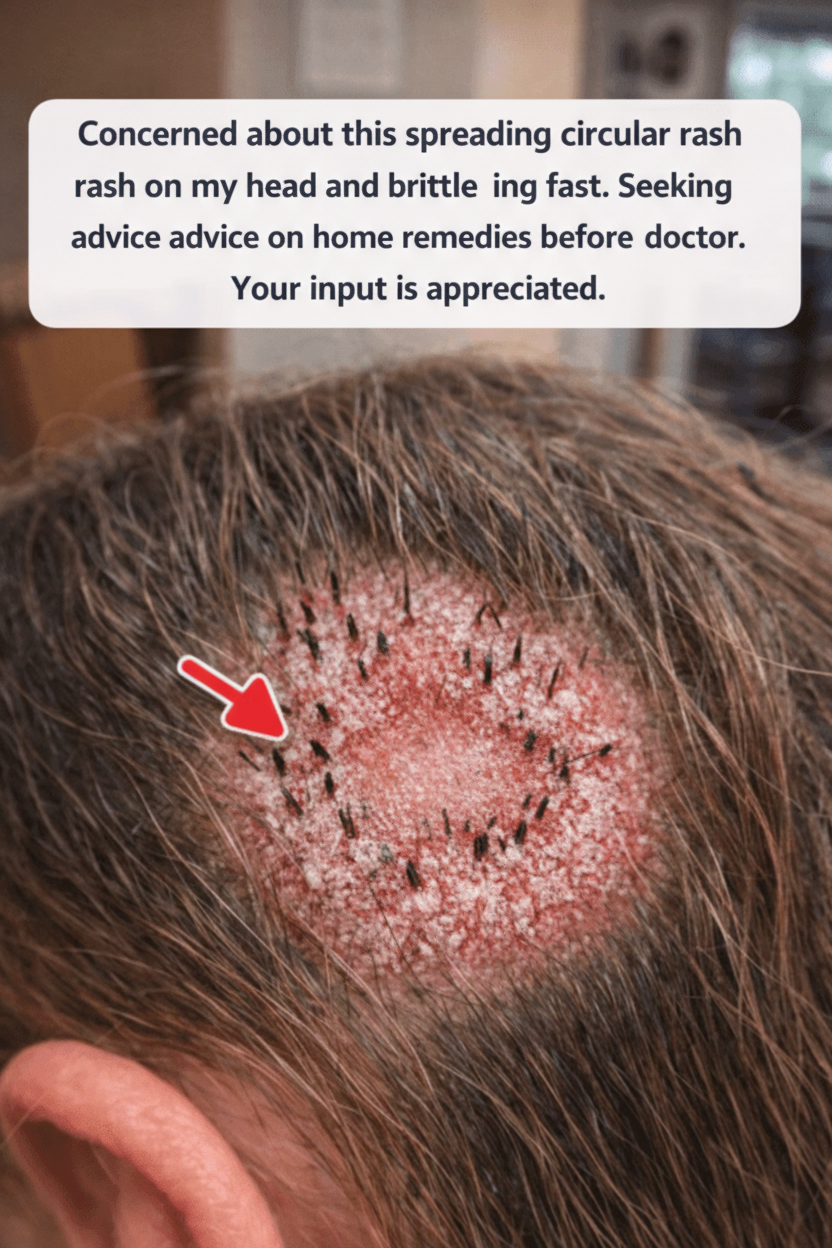
Ultimately, scalp ringworm stands apart due to its unique combination of a spreading, circular rash and localized hair snapping, distinguishing it from these other conditions.
Urgent Medical Attention: When to Consult a Doctor Without Delay
While many cases of scalp ringworm can be managed with prescribed treatments, certain symptoms warrant immediate medical evaluation. Seek professional help promptly if you observe any of the following:
- A fever exceeding 38°C (100.4°F).
- Significant swelling or intense pain in the scalp area.
- Any signs of secondary bacterial infection, such as pus, oozing discharge, or extensive crusting.
- The red patch is spreading very quickly or becoming significantly larger.
- Your child appears unusually lethargic, unwell, or exhibits other concerning systemic symptoms.
Even if you are unsure about the severity, it is always advisable to have a pediatrician assess your child to ensure proper diagnosis and timely intervention.
Supportive Home Care While Awaiting Medical Consultation
While you are scheduling or awaiting a medical appointment, certain home care measures can help manage symptoms and prevent further spread:
Gentle Scalp Cleansing
- Cleanse the affected scalp area using a mild, fragrance-free shampoo and lukewarm water.
- Refrain from aggressive scrubbing, which can irritate the skin and potentially worsen the condition.
Minimizing Scratching
- Engage your child with distracting activities like games, reading, or storytelling to help them avoid scratching the itchy areas.
- Scratching can not only spread the fungal infection to other parts of the body or to others but also introduce bacteria, leading to secondary infections.
Strict Hygiene Control
- Wash all pillowcases, bedding, hats, and hair accessories that come into contact with your child’s head in hot water.
- Ensure these items are dried thoroughly, as heat and dryness help to kill fungal spores and reduce the risk of re-infection or spread.
Critical Don’ts: Harmful Practices to Avoid
In your efforts to help your child, it’s vital to steer clear of unproven or potentially harmful remedies, particularly those circulating on social media. These can exacerbate the condition or cause further irritation:
- Applying household items like vinegar or raw garlic directly to the scalp.
- Using undiluted essential oils, which can cause severe skin reactions.
- Employing harsh scrubbing brushes or alcohol-based solutions, which can damage sensitive scalp skin.
- Using over-the-counter topical creams that are not specifically formulated or prescribed for deep-seated scalp fungal infections.
Such interventions can worsen inflammation, cause chemical burns, or severely irritate your child’s delicate skin, delaying proper healing.
Why Conventional Topical Creams Are Often Ineffective for Scalp Ringworm
Many parents wonder why standard over-the-counter antifungal creams don’t typically resolve scalp ringworm. The primary reason is that the dermat