 By admin
 Uterine fibroids, common non-cancerous growths, impact a significant number of women—up to 80% before they reach menopause. Despite increasing awareness in women’s health, many still grapple with the persistent development of these benign tumors. Their presence within or around the uterus can trigger disruptive symptoms such as abnormally heavy menstrual bleeding, persistent pelvic pressure, and debilitating fatigue, often leading to considerable daily discomfort and anxiety. It’s understandable to feel frustrated when seemingly diligent lifestyle adjustments don’t appear to halt their progression, especially when certain contributing factors feel beyond one’s control. However, scientific research indicates that while some underlying causes are intricate, gaining insight into the primary influences and embracing proactive health habits can substantially aid in risk management and foster overall wellness. This comprehensive guide will explore the fundamental reasons why fibroids continue to affect so many women, along with practical, evidence-based strategies to support uterine health, including a crucial, often underestimated link that warrants attention.
What Exactly Are Uterine Fibroids?
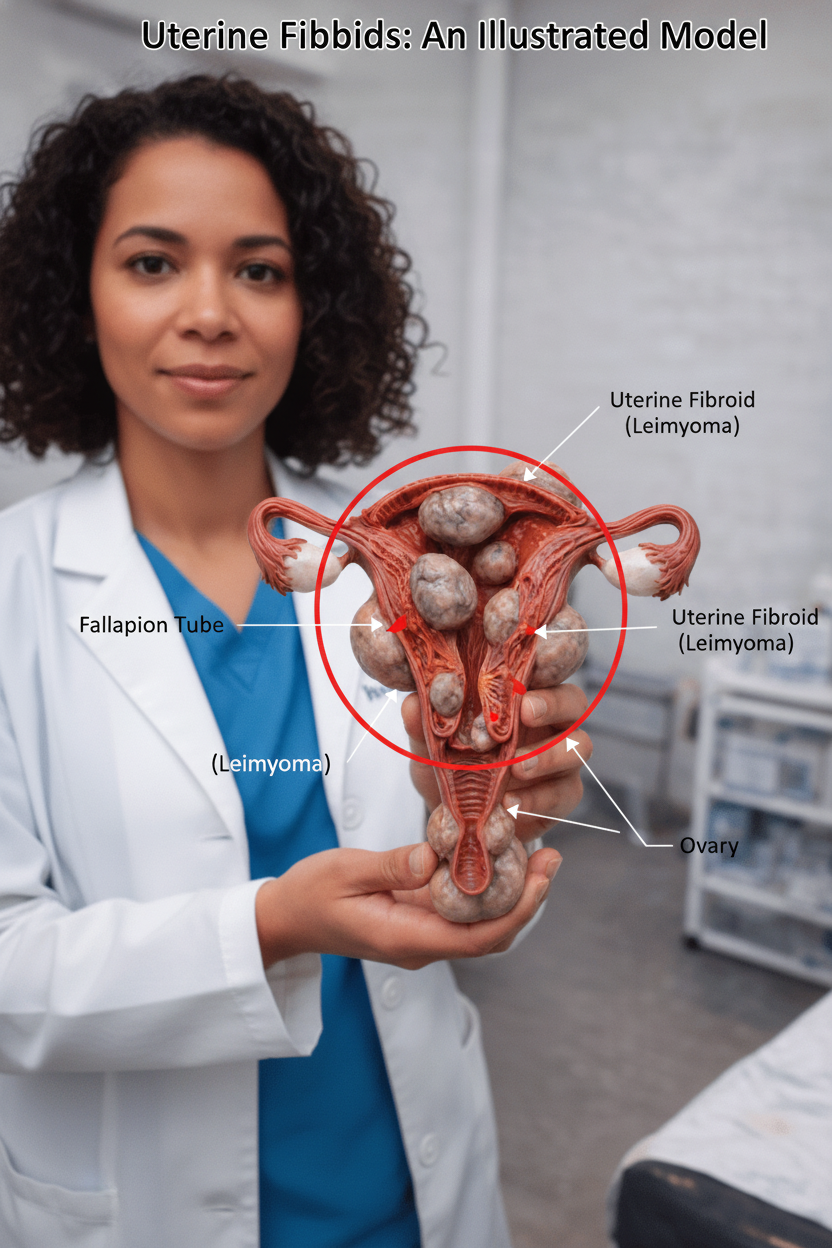
Known medically as leiomyomas, uterine fibroids are prevalent benign growths composed of smooth muscle cells and fibrous connective tissue. They typically form either within the uterine wall, on its outer surface, or within the uterine cavity. These growths exhibit a wide spectrum of sizes, from microscopic “seedlings” to substantial masses capable of altering the uterus’s natural shape. Their development primarily occurs during a woman’s reproductive years, a period characterized by elevated hormone levels. Notably, research suggests that fibroids frequently diminish in size following menopause, coinciding with a natural decline in estrogen and progesterone. Crucially, almost all uterine fibroids are non-malignant and do not elevate the risk of developing uterine cancer. Nevertheless, their impact on individuals varies considerably; while some women remain entirely asymptomatic, others experience profound discomfort and health challenges.
Why Do Fibroids Still Develop in So Many Women?
The precise etiology of uterine fibroids remains a subject of ongoing scientific inquiry; however, current understanding highlights a confluence of influential factors. Hormones are undeniably pivotal: both estrogen and progesterone are essential for the cyclical regeneration of the uterine lining, and intriguingly, fibroid tissues possess a greater density of receptors for these hormones compared to healthy uterine tissue. This heightened sensitivity fuels their growth. Beyond hormonal influence, specific genetic alterations within uterine muscle cells can predispose them to accelerated proliferation, particularly when exposed to these reproductive hormones. Furthermore, cumulative environmental and lifestyle factors contribute to their development over time. The widespread prevalence of fibroids among women is largely attributable to the interplay and accumulation of these various influences throughout the prime reproductive years. Key reasons for their continued commonality include:
- Sustained Hormonal Exposure: Extended periods of elevated estrogen and progesterone levels significantly stimulate fibroid expansion.
- Inherited Genetic Tendencies: Distinct genetic variations can markedly increase an individual’s susceptibility to developing fibroids.
- An Array of Auxiliary Factors: Elements such as systemic inflammation or specific exposures during early life stages might create a fertile ground for fibroid formation.
Key Risk Factors That Increase the Likelihood
According to extensive research from reputable institutions such as the Mayo Clinic and various NIH studies, numerous factors elevate a woman’s propensity for developing fibroids. These risk elements can be broadly categorized into those beyond personal control and those influenced by lifestyle decisions.
Non-modifiable risk factors encompass:
- Age: The incidence of fibroids is notably higher in women typically between their 30s and 50s.
- Ethnicity/Ancestry: Women of Black descent experience a higher prevalence and often an earlier onset of uterine fibroids.
- Genetic Predisposition/Family History: A maternal or sisterly history of fibroids significantly increases an individual’s risk.
Conversely, several modifiable risk factors have been consistently identified in scientific literature:
- Elevated Body Mass Index (BMI) or Obesity: Adipose tissue (body fat) is known to produce additional estrogen, thereby potentially fueling fibroid growth.
- Dietary Patterns: A diet rich in red meat and deficient in fruits and vegetables is often associated with increased risk.
- Vitamin D Insufficiency: A lack of adequate Vitamin D has been linked to a higher incidence of fibroids.
- Early Menarche: Beginning menstruation before the age of 10 may heighten lifetime risk.
- Nulliparity: Women who have never been pregnant may also face an elevated risk.
What often comes as a revelation to many is the profound, yet subtle, impact of daily habits. Despite growing health awareness, everyday choices can incrementally affect hormonal equilibrium and systemic inflammation over extended periods, contributing significantly to fibroid development.
Lifestyle Habits That May Help Support Uterine Health
While absolute prevention of uterine fibroids cannot be guaranteed, a substantial body of evidence suggests that adopting specific lifestyle habits can significantly contribute to reducing risk or effectively managing existing symptoms. The key lies in implementing sustainable adjustments that foster hormonal balance and mitigate systemic inflammation.
Achieve and Maintain a Healthy Weight
Excess body weight, particularly adipose tissue concentrated around the abdomen, is directly linked to increased estrogen production. Numerous studies consistently demonstrate that women with a higher Body Mass Index (BMI) face an elevated likelihood of developing fibroids. Therefore, a gradual and consistent approach to weight management, combining balanced nutritional intake with regular physical activity, is often highly beneficial.
Emphasize a Nutrient-Dense Diet
Scientific research underscores the protective benefits of specific dietary patterns. To support uterine health:
- Consume Abundant Fruits and Vegetables: Strive for a minimum of four servings daily, focusing on variety.
- Incorporate Leafy Greens and Cruciferous Vegetables: Options like spinach, kale, broccoli, and cauliflower are particularly valuable due to their rich nutrient profiles.
- Boost Fiber Intake: Whole grains and other fiber-rich foods assist the body in efficiently processing and eliminating excess hormones.
- Explore Protective Foods: Integrate foods known to be associated with a lower risk, such as those naturally rich in Vitamin D or containing beneficial compounds found in green tea.
Engage in Regular Physical Activity
Consistent physical exercise not only aids in weight control but also plays a role in potentially lowering fibroid risk. For instance, one study observed a reduced incidence of fibroids among women who engaged in higher levels of weekly physical activity, including activities like brisk walking, dancing, or running. The general recommendation is to aim for at least 150 minutes of moderate-intensity activity per week. Here’s an example of an accessible weekly activity plan:
- Monday/Wednesday/Friday: Dedicate 30 minutes to a brisk walk or a rejuvenating yoga session.
- Tuesday/Thursday: Focus on strength training or bodyweight exercises, such as squats and planks, to build muscle.
- Weekend: Enjoy a longer, more leisurely activity like hiking, cycling, or dancing.
- Throughout the Day: If your job involves prolonged sitting, make a conscious effort to stand up and stretch briefly every hour to improve circulation and reduce sedentary time.