 By admin
 Boost Knee Health: Two Powerhouse Vegetables for Natural Collagen Production
Experiencing knee discomfort and stiffness can significantly impact daily life, making simple actions like climbing stairs, rising from a chair, or enjoying a morning walk feel like a formidable challenge. As we age or maintain an active lifestyle, the cumulative wear and tear on joint cartilage can lead to diminished flexibility and persistent aches that linger longer than desired. The encouraging news is that strategic dietary choices, particularly incorporating nutrient-dense vegetables, can supply crucial building blocks like vitamin C and potent antioxidants. These nutrients are vital for helping your body sustain healthy collagen levels, which are fundamental for supporting robust joint structure and overall comfort.
In this article, we’ll delve into two exceptional vegetables, recognized by nutritional science for their remarkable potential to nourish your joints from within. We’ll also provide practical tips on how to effortlessly integrate them into your meals.
Why Collagen is Indispensable for Knee Health
Collagen, the most abundant protein in the human body, forms a critical component of cartilage – the resilient, cushioning tissue found in joints such as your knees. As the body’s natural collagen production gradually declines with age or due to various lifestyle factors, actively supporting its synthesis through diet becomes paramount for preserving joint mobility and resilience. Scientific research consistently highlights that specific nutrients, especially vitamin C, are absolutely essential because your body relies on them to synthesize new collagen effectively. Furthermore, the antioxidants abundant in vegetables play a crucial role in combating oxidative stress, a process that can negatively impact joint tissues over time.
Studies, including those analyzing long-term dietary patterns, indicate a strong correlation between higher intakes of vitamin C-rich foods and superior joint support, often accompanied by reduced markers of cartilage wear. Beyond their collagen-boosting properties, these vegetables offer a spectrum of additional benefits, including natural anti-inflammatory compounds and essential minerals that collectively contribute to comprehensive joint wellness.
The First Powerhouse: Spinach – A Joint-Friendly Nutrient Champion
Spinach stands out as a premier leafy green for promoting collagen-friendly nutrition. It’s exceptionally rich in vitamin C, directly facilitating the body’s intricate collagen-building process. Just one cup of raw spinach delivers a significant portion of your daily vitamin C requirements, alongside vitamin K, which is vital for bone health, and powerful antioxidants like lutein that help protect cellular integrity. Research consistently links regular consumption of leafy greens, such as spinach, to reduced inflammation and enhanced support for connective tissues. The folate and magnesium found in spinach also play supportive roles in energy metabolism and optimizing muscle function around the knee joints.
Here’s why spinach is a must-have in your dietary regimen:
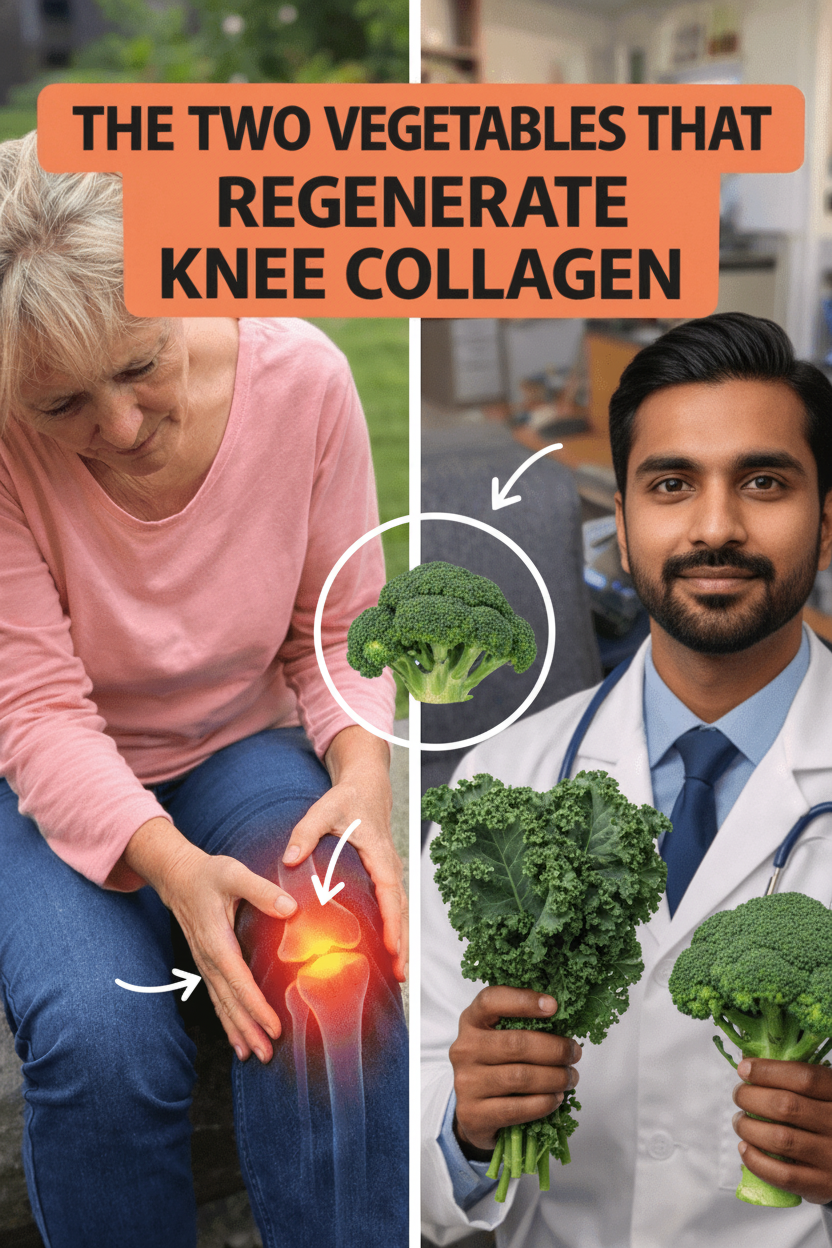
- Abundant in vitamin C, directly aiding in efficient collagen synthesis.
- Packed with antioxidants that help mitigate everyday oxidative stress and protect joint cells.
- Provides vitamin K, essential for maintaining strong bone density and overall joint stability.
- Low in calories yet highly satiating, making it an excellent way to add nutrient volume to any meal.
Incorporating spinach into your diet is both simple and incredibly versatile, whether enjoyed fresh in salads or lightly cooked in various dishes.
The Second Powerhouse: Broccoli – A Cruciferous Champion for Cartilage
Broccoli, a cruciferous vegetable, brings its own formidable nutritional profile to the table for joint health. It serves as another outstanding source of vitamin C, often containing more per serving than many popular fruits. What truly sets broccoli apart, however, is sulforaphane – a unique compound that forms when you chop or chew this vegetable. Groundbreaking research in laboratory and animal models has indicated that sulforaphane may help inhibit enzymes involved in cartilage degradation and support a balanced, healthy inflammatory response. Broccoli also supplies beneficial fiber for gut health (which indirectly influences systemic inflammation), along with vitamins K and C working synergistically for stronger, more resilient connective tissues. Consistent intake of cruciferous vegetables like broccoli has been associated in various studies with positive impacts on joint comfort and improved mobility.
Key advantages of including broccoli in your diet:
- Exceptional levels of vitamin C, crucial for robust collagen support.
- Contains sulforaphane, offering potential anti-inflammatory benefits and cartilage protection.
- Enriched with additional vital nutrients like calcium and potassium, supporting optimal bone and muscle function.
- Highly versatile for consumption in both raw and lightly cooked forms, maximizing nutrient retention.
To harness the full spectrum of broccoli’s benefits, consider eating it raw in salads or lightly steaming it to preserve its potent active compounds.
The Synergistic Effect: Spinach and Broccoli for Comprehensive Joint Nourishment
Combining spinach and broccoli creates a powerful synergistic effect that amplifies their individual benefits. Both vegetables generously supply vitamin C for collagen production while offering a complementary array of antioxidants and essential minerals. Together, they work in harmony to address multiple facets of joint support: from providing the fundamental building blocks for healthy cartilage to offering robust protection against daily environmental stressors. Nutritional science consistently emphasizes the superior efficacy of whole-food approaches over isolated supplements, primarily because these vegetables deliver a complex matrix of nutrients that interact and function synergistically within the body. Observational studies on diets rich in leafy greens and cruciferous vegetables like these consistently demonstrate positive outcomes for long-term joint health and vitality.