 By admin
 Experiencing discomfort, heaviness, swelling, or prominent veins in your legs, particularly after extended periods of inactivity or standing, is a common concern for many. These symptoms often signal suboptimal leg circulation, potentially arising from sedentary lifestyles, the natural aging process, or underlying vascular conditions. Over time, such circulatory challenges can elevate the risk of blood clot formation in the lower limbs, a serious health concern requiring attention. While medical guidance and lifestyle adjustments are paramount for managing these risks, emerging research offers a ray of hope: certain everyday herbs, when integrated mindfully into your daily regimen, may contribute to healthy blood flow and optimal platelet function, thereby supporting overall vascular wellness. This comprehensive article will delve into evidence-based insights on promising herbs for enhancing circulation, offer practical tips for their incorporation, and underscore crucial safety considerations to empower you in making informed decisions about your health.
Understanding Blood Clots in the Legs and Why Circulation Matters
Understanding the dynamics of blood clot formation in the legs is crucial. These clots, frequently associated with conditions such as deep vein thrombosis (DVT), tend to develop when blood flow becomes sluggish or accumulates, a phenomenon often triggered by prolonged immobility, inadequate hydration, or other predisposing factors. Robust, unimpeded circulation is vital; it actively prevents blood stagnation, facilitates efficient oxygen delivery throughout the body, and ensures platelets maintain normal activity, thereby preventing undesirable clumping. It’s imperative to remember that while medical interventions are indispensable for managing diagnosed conditions, scientific investigations indicate that specific plant compounds may provide supplementary benefits. These compounds can positively influence crucial factors like platelet aggregation and promote optimal vessel relaxation. They are not substitutes for professional medical care but rather valuable complements to a healthy lifestyle. Now, let’s explore some of the most extensively researched herbal options.
Top Herbs That May Promote Healthy Blood Flow
A growing body of scientific literature highlights several herbs for their promising potential in supporting vascular health. These natural powerhouses often exert their beneficial effects through gentle modulation of clotting mechanisms or by mitigating inflammation. Below, we delve into some of the most prominent herbs, each supported by compelling research:
- Turmeric (Curcuma longa): Renowned for its vibrant color and medicinal properties, turmeric contains curcumin, its primary active compound. Extensive research has investigated curcumin’s potent anti-inflammatory effects and its potential role in modulating platelet function. Scientific reviews suggest that consistent culinary use or supplementation with turmeric may contribute to maintaining healthy blood consistency.
- Ginger (Zingiber officinale): This aromatic root, celebrated for its warming sensation, is rich in bioactive compounds such as gingerols. Some studies have linked these gingerols to a reduction in platelet stickiness. Comprehensive literature reviews further indicate that incorporating ginger into a balanced diet could facilitate smoother and more efficient circulation.
- Garlic (Allium sativum): A culinary cornerstone, garlic boasts powerful sulfur compounds, notably allicin. Research suggests that allicin can subtly influence platelet activity and enhance overall blood flow. Its versatility makes it an effortless and beneficial addition to daily meals.
- Ginkgo Biloba: Derived from one of the oldest living tree species, Ginkgo Biloba extracts are widely recognized for their potential to improve peripheral circulation. Evidence suggests that ginkgo can promote better relaxation of blood vessels and, in specific scenarios, may contribute to a reduced risk of clot formation.
- Cayenne Pepper (Capsicum annuum): This fiery spice contains natural salicylates, compounds structurally akin to those found in aspirin. Reviews indicate that moderate consumption of cayenne pepper may offer mild support for blood-thinning, contributing to better circulatory health.
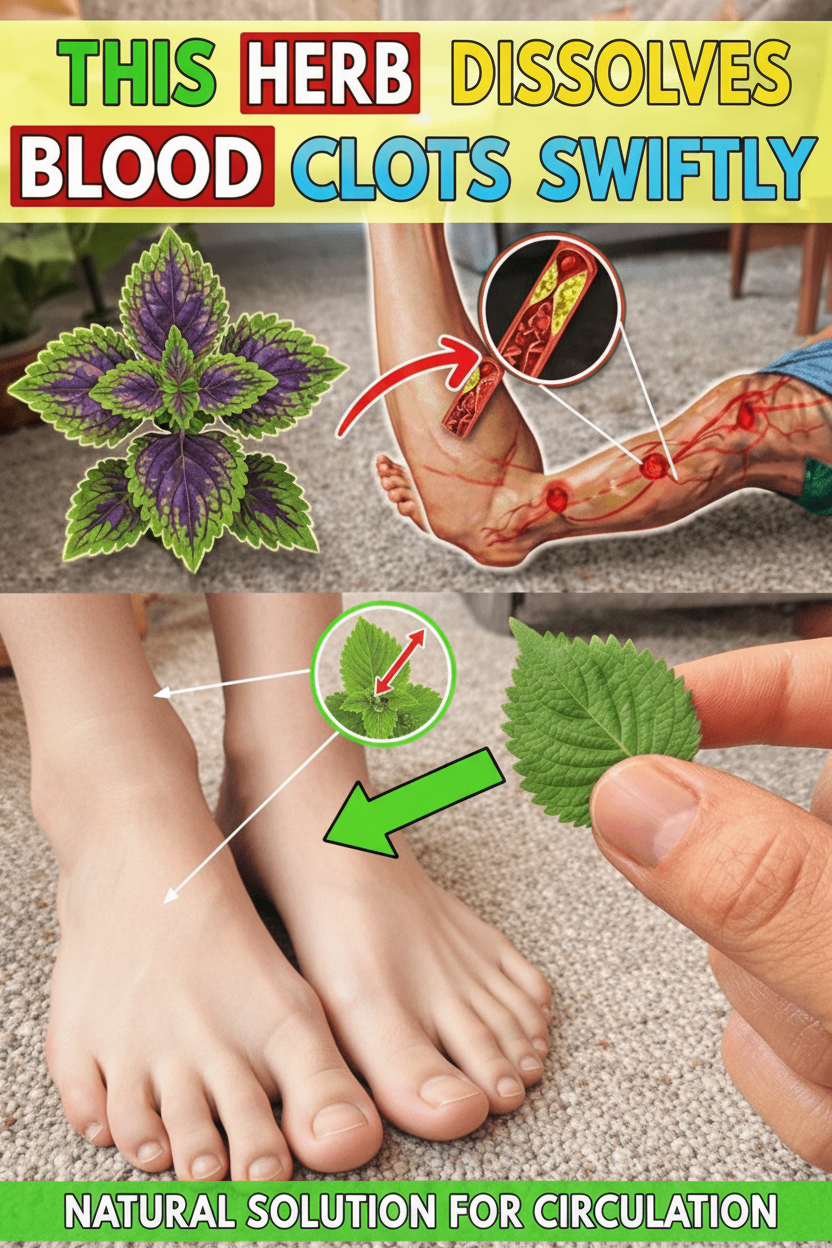
- Perilla Leaf (Perilla frutescens): Known by various names including shiso and Vietnamese tía tô, both perilla oil and its leaves have been subjects of scientific inquiry. Studies, particularly in animal models, have explored their capacity to inhibit platelet aggregation and delay the formation of thrombi, suggesting a potential role in improving overall blood flow.
Fundamentally, these beneficial herbs operate through their unique natural compounds, which can subtly modulate how platelets interact and how blood vessels respond. It is important to note, however, that individual responses can vary, and consistent integration is typically needed to observe potential benefits.
How These Herbs Might Work: A Quick Science Overview
The scientific community continues to uncover the intricate ways these herbs may exert their beneficial effects on circulation and clotting risks. Key mechanisms frequently highlighted in research include:
- Diminishing inflammatory markers, which are often implicated in the development of vascular problems.
- Bolstering antioxidant defenses to shield blood vessels from oxidative damage.
- Gently influencing enzymes and other biological factors crucial for maintaining a healthy clotting equilibrium.
To illustrate, investigations into perilla oil have demonstrated its ability to obstruct specific biological pathways that contribute to thrombus accumulation. Similarly, curcumin, the active component in turmeric, has been associated with anticoagulant-like characteristics in controlled laboratory environments. It is vital to reiterate: these findings represent supportive evidence primarily from preclinical studies and some human research, and should not be interpreted as definitive guarantees of efficacy.
Here’s a simple comparison of a few key herbs:
- Turmeric: Emphasizes powerful anti-inflammatory action; optimal absorption is achieved when consumed with black pepper in meals.
- Ginger: Valued for its warming properties and digestive support; readily enjoyed as a soothing tea.
- Garlic: A foundational herb for cardiovascular wellness; equally effective whether incorporated raw or cooked into dishes.
- Ginkgo: Specifically targets and supports peripheral blood flow; typically utilized in standardized extract forms for consistent potency.
Thoughtfully integrating these herbs into your daily routine can not only diversify your diet but also provide a natural, complementary approach to supporting healthy leg circulation and overall vascular well-being. Always consult with a healthcare professional before making significant changes to your diet or supplement regimen, especially if you have existing medical conditions or are taking medication.