 By admin
 Many of our daily routines, from rushing meals during a busy workday to prolonged screen time before bed, often seem innocuous. Yet, these seemingly minor choices can subtly accumulate, placing undue stress on your body’s essential organs over time. The empowering truth is that recognizing these patterns is the crucial first step, and even minor adjustments can significantly enhance your long-term well-being.
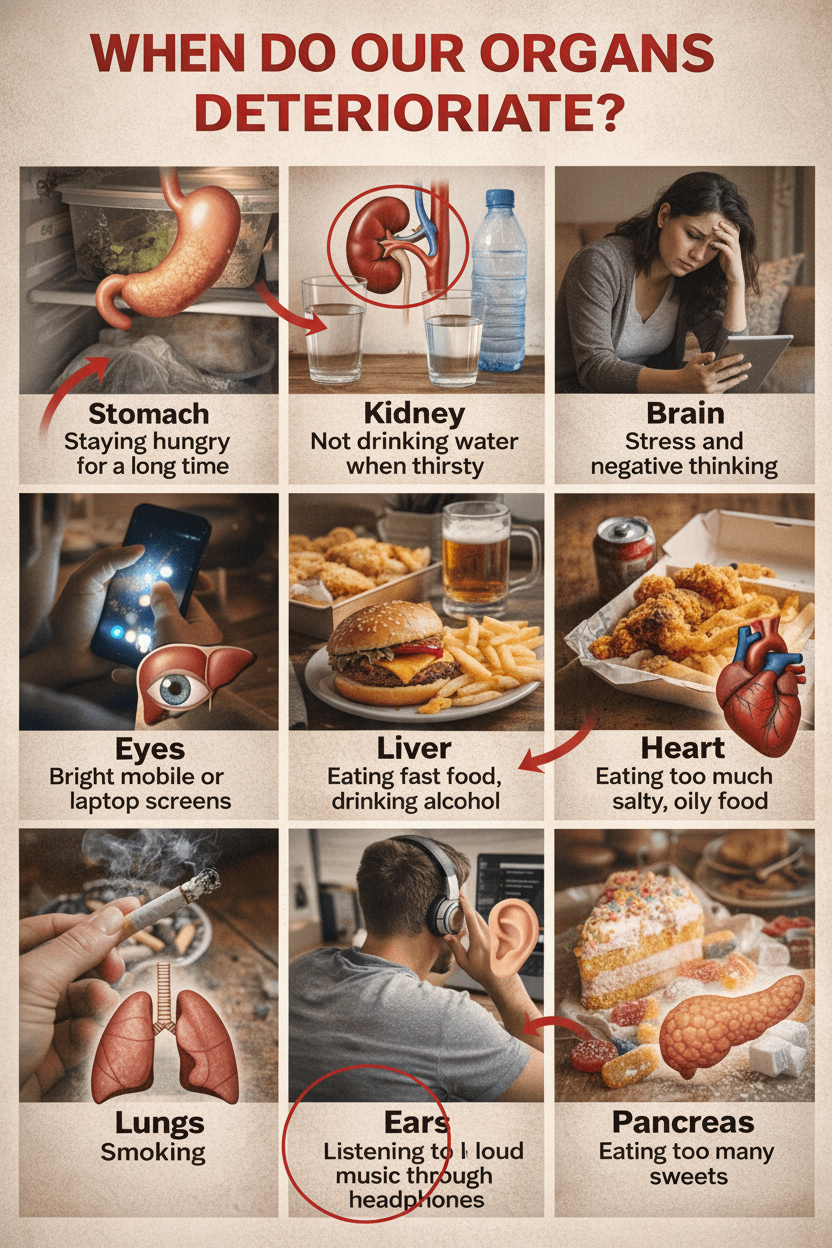
This article delves into nine prevalent daily habits that contribute to organ strain, offering simple, actionable strategies to protect your stomach, kidneys, brain, eyes, liver, heart, lungs, ears, and pancreas. Stay tuned until the end for a revealing insight into a common thread connecting many of these overlooked factors.
Why Daily Habits Matter More Than You Think
The wear and tear on our organs isn’t an overnight phenomenon. Scientific research consistently demonstrates that sustained lifestyle choices profoundly impact organ function, often manifesting gradually from early adulthood onwards. Studies reveal that beyond the age of 30, the body’s ‘organ reserve’ – the inherent extra capacity organs possess to cope with various stressors – begins a slow but steady decline, approximately 1% annually in crucial systems such as the heart, lungs, and kidneys. While daily environmental and internal stressors can hasten this decline, adopting beneficial habits can remarkably sustain and even enhance organ function for extended periods.
1. Irregular Eating Patterns or Prolonged Fasting – Impact on Your Stomach
Inconsistent meal schedules, such as routinely skipping breakfast or enduring long stretches without food, can severely stress the delicate lining of your stomach and disrupt its natural digestive processes. When the stomach remains empty for extended periods, an accumulation of acid can lead to discomfort and, over time, more serious issues like gastritis or ulcers.
Simple Steps to Support Stomach Health
- Aim for regular, nutritionally balanced meals every 4–5 hours to maintain digestive rhythm.
- Incorporate fiber-rich foods such as a variety of fruits, vegetables, and whole grains into your diet.
- Practice mindful eating: savor your food slowly and avoid rushing through meals.
2. Chronic Dehydration and Ignoring Thirst Cues – Effect on Kidneys
Your kidneys tirelessly filter waste products and excess fluid from your bloodstream. When you consistently disregard your body’s thirst signals and fail to consume adequate water, dehydration forces your kidneys to work much harder, potentially leading to chronic strain and impaired function over time.
Quick Hydration Tips
- Keep a reusable water bottle handy and make a habit of sipping water throughout your day.
- Begin your day with a glass of water and drink another before each meal to boost intake.
- Target around 8 cups (approximately 2 liters) of water daily, adjusting based on your activity level and local climate.
3. Unmanaged Chronic Stress and Persistent Negative Thinking – Influence on Brain Health
Sustained periods of stress trigger the release of damaging hormones that, over time, can profoundly alter the brain’s structure and functional capabilities. Research increasingly links ongoing negative thought patterns and poorly managed stress to measurable changes in brain volume and a decline in cognitive performance, including memory and focus.
Practical Ways to Ease Brain Stress
- Dedicate 5–10 minutes daily to deep breathing exercises or mindfulness meditation.
- Engage in genuinely enjoyable activities, such as nature walks, creative hobbies, or spending time with loved ones.
- Prioritize achieving 7–9 hours of high-quality, restorative sleep each night.
4. Excessive Screen Time, Especially in Dim Lighting – Strain on Eyes
Prolonged exposure to digital screens, particularly in poorly lit environments, is a major contributor to digital eye strain. The combination of blue light emissions and a reduced blinking rate during screen use can lead to symptoms like dry eyes, blurred vision, and significant ocular fatigue.
Eye Protection Habits
- Implement the 20-20-20 rule: Every 20 minutes, shift your gaze to an object 20 feet away for at least 20 seconds.
- Activate night mode or use blue-light filtering software/glasses on your devices, especially after sunset.
- Always ensure adequate and balanced lighting in your surroundings when using digital devices.
5. Regular Consumption of Fast Food and Excessive Alcohol – Load on the Liver
The liver is your body’s primary detoxification organ, processing virtually everything you ingest. Diets consistently high in ultra-processed foods coupled with regular, excessive alcohol consumption can overwhelm its vital detoxification functions, leading to the gradual accumulation of fat (fatty liver disease) or chronic inflammation within the organ.
Liver-Friendly Choices
- Limit alcohol intake to moderate levels (or ideally, avoid it altogether for optimal liver health).
- Prioritize whole, unprocessed foods over fast food and convenience meals most days of the week.
- Incorporate liver-supportive foods such as dark leafy greens, beets, and cruciferous vegetables like broccoli and cauliflower.
6. High Sodium Intake and Diets Rich in Oily, Processed Foods – Pressure on the Heart
Excessive consumption of sodium and unhealthy trans or saturated fats, commonly found in fried foods and highly processed items, are significant contributors to elevated blood pressure. Over many years, these dietary patterns can lead to the buildup of arterial plaque, significantly increasing the risk of heart disease and cardiovascular complications.
Heart-Healthy Swaps
- Carefully read food labels and aim to keep your daily sodium intake below 2,300 mg.
- Cook at home using a variety of herbs, spices, and heart-healthy oils like extra virgin olive oil.
- Make it a habit to fill at least half your plate with colorful vegetables and fresh fruits at every meal.
7. Smoking or Regular Exposure to Tobacco Smoke – Damage to Lungs
Smoking, whether active or passive, introduces a plethora of harmful toxins into the respiratory system. These substances irritate and progressively scar lung tissue, leading to a reduction in elasticity and a diminished capacity for efficient oxygen exchange, severely compromising overall lung function and increasing the risk of respiratory diseases.
Steps Toward Better Lung Health
- If you smoke, actively seek support and resources to quit – counseling, nicotine replacement therapy, and support groups can be highly effective.
- Consciously avoid environments where you are exposed to secondhand smoke.
- Integrate breathing exercises or light cardiovascular activities into your routine to strengthen your lungs and improve their capacity.
8. Prolonged Exposure to Loud Music Through Headphones – Risk to Ears
Regular and prolonged exposure to high-volume sound, particularly through headphones or earbuds, can cause irreversible damage to the delicate hair cells within the inner ear. This cumulative damage is a leading cause of noise-induced hearing loss, which often develops gradually and imperceptibly.
Protecting Your Hearing
- Follow the 60/60 rule: Listen at no more than 60% of the maximum volume for no longer than 60 minutes at a time.
- Invest in noise-canceling headphones to reduce the need for high volumes in noisy environments.
- Give your ears regular breaks from sound exposure, especially after prolonged listening sessions.
9. Diets High in Refined Sugars and Processed Carbohydrates – Strain on the Pancreas
Consistently consuming diets rich in refined sugars, sugary drinks, and highly processed carbohydrates forces the pancreas to work overtime, constantly producing insulin to manage blood sugar spikes. Over years, this chronic overexertion can lead to insulin resistance, pancreatic fatigue, and significantly increase the risk of type 2 diabetes and other metabolic disorders.
Supporting Pancreatic Health
- Drastically reduce your intake of added sugars, sweets, and sugary beverages.
- Opt for complex carbohydrates found in whole grains, legumes, and vegetables instead of refined options.
- Maintain a healthy weight through balanced nutrition and regular physical activity to reduce pancreatic stress.
By understanding these common habits and implementing small, consistent changes, you can significantly reduce the silent strain on your vital organs and pave the way for a healthier, more vibrant future. Your body will thank you for it!