 By admin
 Waking up to a damp or even soaked pillow can be a surprisingly common, yet often embarrassing, experience. Many individuals find themselves puzzled and self-conscious about nighttime drooling, wondering why their body behaves this way during sleep. While it might seem like a minor inconvenience, persistent excessive drooling can impact your morning freshness and overall sleep quality. The good news is that this common occurrence isn’t usually a sign of anything serious and often stems from straightforward, everyday factors related to your habits or underlying health. Understanding these connections is the first step towards finding effective solutions, and we’ll even uncover a key thread linking several of these causes together towards the end of this article.
Understanding Why You Drool While Sleeping
At its core, drooling during sleep occurs when excess saliva escapes from your mouth as the natural swallowing reflex slows down during rest. Our bodies constantly produce saliva, which we typically swallow unconsciously throughout the day. However, when factors like an open mouth or impaired swallowing come into play, gravity takes over, leading to that tell-tale wet patch on your pillow.
While occasional sleep drooling is generally harmless, frequent occurrences can signal underlying patterns affecting your comfort and sleep quality. It’s remarkable how many daily habits and health conditions can contribute to this phenomenon without you initially realizing the connection. Insights from reputable sources like the Sleep Foundation highlight that mouth breathing during sleep significantly increases the likelihood of saliva accumulation. But the story doesn’t end there; numerous other common situations can similarly contribute to this nighttime issue.
8 Everyday Factors Contributing to Nighttime Drooling
Let’s delve into eight common factors frequently identified by sleep specialists and health professionals as potential culprits behind excessive drooling during sleep. Reviewing these might help you identify what’s happening in your own sleep routine:
- Sleep Position: If you primarily sleep on your side or stomach, gravity can work against you. These positions often lead to your mouth falling slightly open, creating an easy escape route for saliva compared to sleeping on your back.
- Nasal Congestion: Whether due to seasonal allergies, a common cold, or sinus issues, a blocked nose forces you to breathe through your mouth. This oral breathing pattern, combined with reduced swallowing, is directly linked by research to an increase in nocturnal drooling.
- Acid Reflux (GERD): Conditions like gastroesophageal reflux disease (GERD) can stimulate increased saliva production. This is your body’s natural defense mechanism, attempting to neutralize stomach acid and protect your throat lining during periods of reflux.
- Obstructive Sleep Apnea (OSA): This serious sleep disorder involves repeated interruptions in breathing, often leading to gasping, snoring, and an open mouth. Sleep medicine studies confirm that OSA significantly contributes to increased saliva flow and drooling at night.
- Certain Medications: Several common prescription drugs, including some used for blood pressure regulation, depression, or even muscle relaxants, can have side effects that include increased saliva production or relaxed facial and mouth muscles, making it harder to keep your mouth closed.
- Teeth Grinding (Bruxism): Unconscious teeth grinding or clenching during sleep, known as bruxism, can overstimulate the salivary glands. This heightened activity results in more saliva being produced than usual, increasing the chances of it escaping.
- Dental Issues: Problems such as an ill-fitting dental appliance (like dentures), misaligned teeth, or even recent dental work (e.g., fillings, extractions) can make it uncomfortable or difficult to maintain a closed mouth throughout the night, facilitating saliva leakage.
- Thyroid Function Changes: In some instances, imbalances in thyroid hormones can subtly affect the muscles involved in swallowing or cause minor swelling in the throat area. These changes can make managing saliva during sleep more challenging, leading to drooling.
It’s important to recognize that these factors don’t always act in isolation. Many individuals find that a combination of these elements contributes to their nighttime drooling, making pattern recognition a powerful tool for finding solutions.
Expert Insights: What Research Reveals About Sleep Drooling
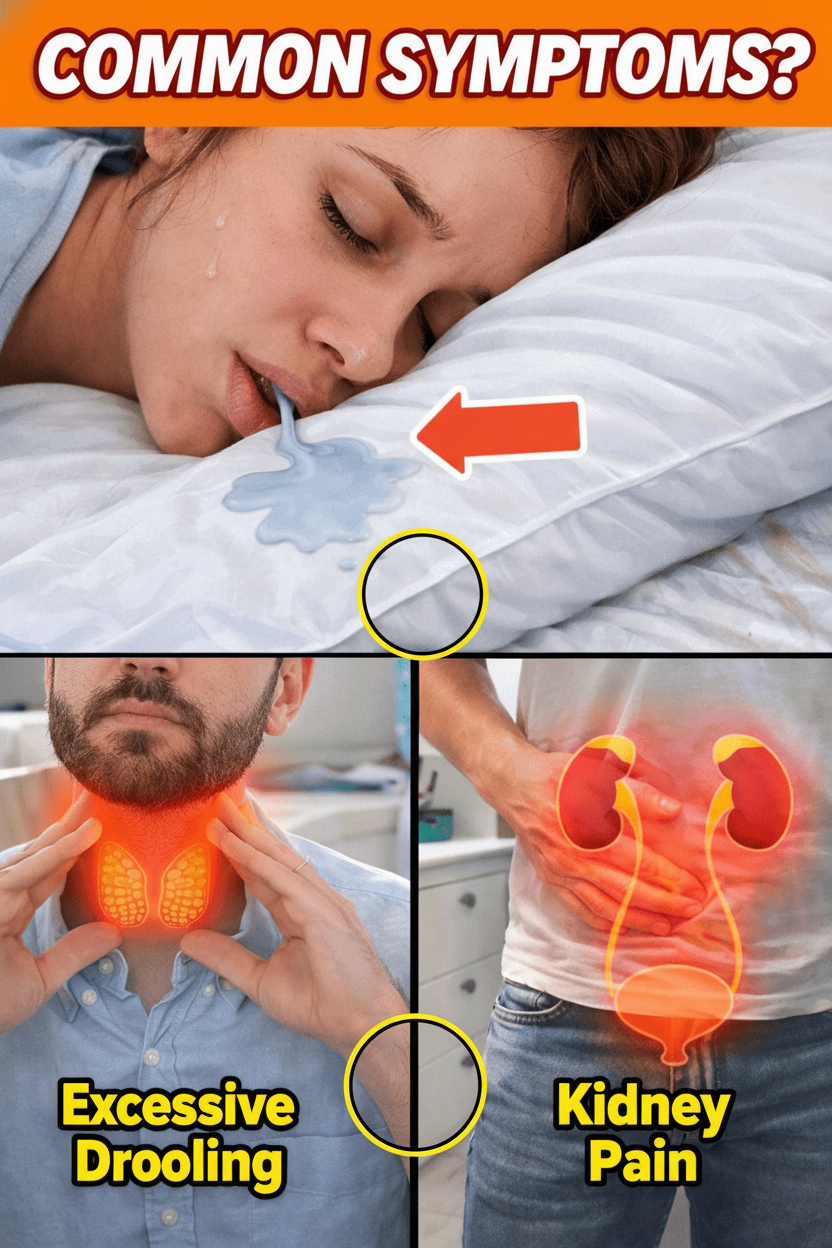
Extensive research and reviews from leading health organizations consistently confirm that occasional drooling is a normal physiological occurrence, especially during deeper stages of sleep. However, when excessive drooling becomes a nightly problem, it frequently correlates with specific breathing patterns or heightened muscle relaxation, phenomena closely monitored by experts in sleep clinics.
The overarching message from these studies is reassuring: the underlying factors contributing to persistent nighttime drooling are typically manageable through increased awareness and straightforward adjustments, rather than requiring drastic interventions. Furthermore, a significant common thread identified across multiple research summaries – and indeed, several items on our list – is the synergistic effect of mouth breathing combined with relaxed throat muscles, which together significantly amplify the likelihood of saliva escaping during sleep.
Simple, Actionable Tips to Reduce Nighttime Drooling
Empower yourself with these easy-to-implement strategies that many individuals find effective in reducing sleep drooling, often with immediate results. You can start trying these practical ideas tonight, without needing any specialized equipment:
- Adjust Your Sleep Position: Aim to sleep on your back. To facilitate this and encourage nasal breathing, try using an extra pillow to slightly elevate your head. This can naturally help keep your mouth closed.
- Stay Well-Hydrated: Ensure you drink enough water throughout the day. While counter-intuitive, proper hydration prevents your mouth from becoming excessively dry, which can sometimes overstimulate saliva production at night. Keep a glass of water nearby for sips if needed.
- Utilize a Humidifier: During dry seasons or peak allergy periods, a humidifier in your bedroom can significantly ease nasal congestion. By keeping your nasal passages moist, it reduces the compulsion to breathe through your mouth, a common cause of drooling.
- Elevate Your Head: Consider slightly elevating the head of your bed. This can be achieved with bed risers or a wedge pillow. This position not only helps with acid reflux but also encourages gravity to keep saliva in your mouth.
Taking Control of Your Nighttime Comfort
Understanding the various factors that contribute to drooling while sleeping is the first step toward a drier, more comfortable night’s rest. By identifying potential triggers in your daily routine or health, and by implementing simple adjustments like those suggested, you can significantly reduce this common nighttime nuisance. If, however, you find that these tips don’t bring relief, or if your drooling is accompanied by other concerning symptoms like frequent choking, loud snoring, or extreme fatigue, it’s always advisable to consult with a healthcare professional. They can help diagnose any underlying conditions and recommend a tailored treatment plan to ensure you enjoy truly restorative sleep.