 By admin
 Nourish Your Kidneys: A 30-Day Journey with Chia Seeds for Enhanced Renal Wellness
Maintaining optimal kidney function can be a significant concern for many, especially as we age or navigate the demands of modern life. When kidneys aren’t at their best, it can manifest as fatigue, general discomfort, and a persistent worry about overall health, impacting your ability to fully engage in daily activities. The good news is that adopting straightforward dietary practices, such as integrating nutrient-dense foods, offers a gentle yet effective path to support your body’s vital systems. This comprehensive guide delves into one such powerful superfood that has garnered considerable attention for its potential contributions to daily wellness routines. But stay with us—we’ll also reveal an effortless and surprising method to seamlessly incorporate it into your lifestyle.
What Are Chia Seeds and Why Are They a Nutritional Powerhouse?
Derived from the Salvia hispanica plant, native to Central America, chia seeds are small, versatile seeds that have been a staple in traditional diets for hundreds of years. Available in both black and white varieties, their mild taste and adaptability make them a popular addition to a wide array of dishes today, from refreshing smoothies and creamy puddings to crisp salads. Beyond their culinary flexibility, chia seeds are celebrated for their remarkable nutritional profile. They are densely packed with essential nutrients, including dietary fiber, plant-based protein, vital omega-3 fatty acids, and a rich supply of antioxidants. Scientific studies, such as those featured in the Journal of Food Science and Technology, underscore their particularly high concentration of alpha-linolenic acid (ALA), a crucial type of omega-3.
A fascinating characteristic of chia seeds is their ability to absorb liquid and form a distinctive gel-like consistency when soaked in water. This unique property not only aids in digestion but also plays a significant role in promoting overall hydration, which is fundamental for supporting countless bodily functions, including healthy renal activity.
Understanding Kidney Health: Key Functions and Dietary Support
The kidneys are vital organs responsible for several critical bodily functions. They meticulously filter waste products from your blood, maintain a delicate balance of fluids and electrolytes, and play a crucial role in regulating blood pressure. The efficiency of these essential functions is significantly influenced by daily lifestyle choices, including your diet, hydration levels, and physical activity. Prioritizing sustained kidney health necessitates making conscious, informed decisions. For example, consistent hydration and a diet rich in nutrient-dense foods are cornerstones of promoting optimal renal well-being. Research from reputable organizations like the National Kidney Foundation consistently highlights the indispensable role of a balanced intake of essential minerals and vitamins.
Considering these foundational principles, it’s intriguing to explore how a seemingly simple addition like chia seeds to your daily regimen could align with and potentially enhance these vital aspects of kidney support. Let’s delve into the scientific mechanisms.
How Chia Seeds May Support Optimal Kidney Function
The unique composition of chia seeds offers several avenues through which they might contribute to renal well-being. Primarily, their significant soluble fiber content is known to assist in managing blood sugar levels, a critical factor for long-term kidney health. A review published in the Nutrients journal, for instance, underscores how diets rich in fiber can profoundly support metabolic health, which is intrinsically linked to kidney function.
Furthermore, the omega-3 fatty acids found in chia seeds are recognized for their potent anti-inflammatory properties. Chronic inflammation can exert detrimental effects on various organs over time, including the kidneys, making the inclusion of anti-inflammatory foods a valuable dietary strategy. It’s important to note that while chia seeds do contain phosphorus and potassium, their levels are generally moderate, allowing them to be safely incorporated into diverse diets when consumed in appropriate portion sizes, ensuring a balanced nutritional intake.
Let’s elaborate on the specific benefits:
- Enhanced Digestive Health: The high fiber content in chia seeds plays a pivotal role in promoting a healthy digestive system. A well-functioning gut can indirectly support kidney health by optimizing nutrient absorption and waste elimination processes.
- Powerful Antioxidant Protection: Chia seeds are abundant in antioxidants, including compounds like quercetin. These powerful agents help combat oxidative stress, which can damage cells and tissues throughout the body, as indicated by various laboratory studies. Protecting cells from such damage is crucial for maintaining organ integrity, including that of the kidneys.
- Superior Hydration Support: As previously mentioned, the ability of chia seeds to form a gel when soaked significantly contributes to hydration. This property encourages increased fluid intake, which is essential for healthy kidney function, as adequate water helps the kidneys effectively filter waste and maintain fluid balance.
While these attributes position chia seeds as a valuable addition to your diet, it’s crucial to remember they are most effective when integrated into a holistic lifestyle that prioritizes overall health and wellness.
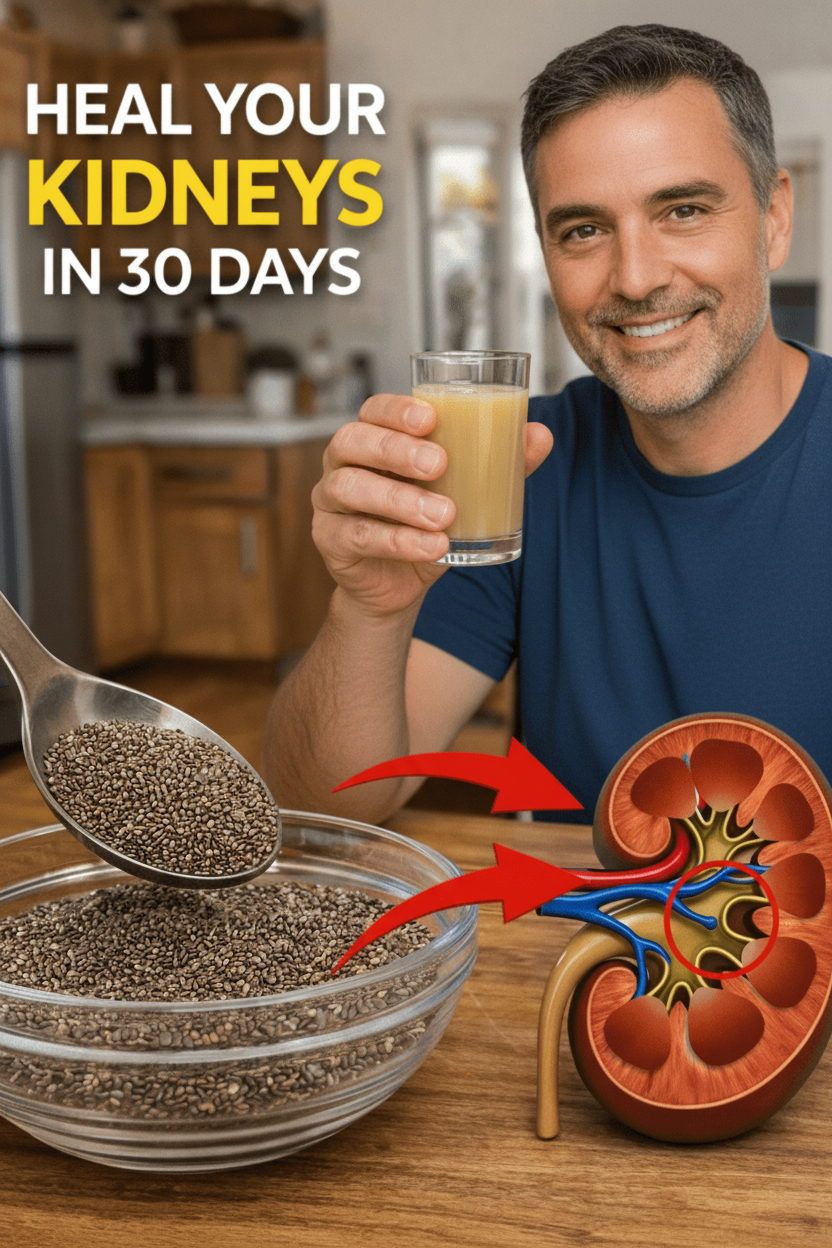
Your 30-Day Action Plan: Integrating Chia Seeds Effortlessly
Embarking on a new dietary habit can be simple and rewarding. This structured 30-day plan is designed to introduce chia seeds into your diet gradually, ensuring a smooth transition without feeling overwhelmed. Remember to listen to your body and adjust as needed.
-
Week 1: Gentle Introduction
Start your journey by incorporating just one teaspoon of chia seeds into your daily morning routine. A simple way to do this is by stirring them into your yogurt, oatmeal, or even a glass of water. Pay attention to how your body responds and make mental notes. Crucially, prioritize hydration throughout the day; aim for at least eight glasses of water. Here’s a quick and refreshing recipe to try: Combine 1 tablespoon of chia seeds with a glass of water and a squeeze of lemon. Allow it to sit for approximately 10 minutes until it forms a light gel before consuming.
-
Week 2: Expanding Your Horizons
As you become accustomed to chia seeds, gradually increase your intake to two tablespoons per day. This week is all about exploring their versatility. Sprinkle them over your salads, blend them into your favorite smoothies, or mix them into salad dressings. Don’t hesitate to experiment with different flavor pairings—consider adding antioxidant-rich berries or protein-packed nuts. Consistency is key, but also be mindful of any digestive adjustments and modify your portion if necessary.
-
Week 3: Creative Culinary Integration
By now, you should be comfortable with chia seeds. Challenge yourself to integrate them more creatively into your meals. A fantastic option is to prepare a nourishing chia pudding: combine 3 tablespoons of chia seeds with your preferred plant-based milk (like almond or oat milk), sweeten lightly, and refrigerate overnight. Top with fresh fruits in the morning. You can also use them in baking as a “chia egg” substitute (1 tablespoon chia seeds mixed with 3 tablespoons water, allowed to sit for 5 minutes) to bind ingredients in recipes.
-
Week 4: Sustaining and Reflecting
Maintain your established daily intake of chia seeds this week. Take time to reflect on any positive changes you’ve observed in your energy levels, digestion, or overall sense of well-being. To keep your routine engaging, try making homemade energy balls by blending chia seeds with dates, nuts, and a touch of cocoa. For added motivation and accountability, consider sharing your positive experiences and newfound recipes with friends or family.