 By admin
 Imagine discovering that a fundamental aspect of your biology, such as your blood type, could subtly influence your overall health trajectory, including your susceptibility to certain health challenges. This fascinating area of research piques the curiosity of many, particularly as scientific investigations continue to reveal connections between different blood groups and various physiological patterns. While no single factor dictates one’s entire health outcome, grasping these insights can empower individuals to make more informed decisions about their personal wellness strategies.
Here lies the intriguing core of our discussion: emerging research suggests a particular blood type appears to be associated with a comparatively lower incidence in several cancer studies. Continue reading to discover which blood type this is and why these findings hold significance.
Understanding Blood Types: The Fundamentals
Before delving into the specific associations, let’s revisit the basics of blood classification. The ABO blood group system categorizes human blood into four primary types: A, B, AB, and O. This classification is based on the presence or absence of specific antigens—sugar molecules—on the surface of red blood cells. While the Rh factor also plays a role, designating blood as positive or negative, our focus for this exploration will primarily remain on the ABO groups.
The importance of blood types extends far beyond safe blood transfusions. Decades of scientific inquiry have linked these genetic markers to a diverse range of health aspects, from cardiovascular health to the intricacies of immune system responses. Ongoing research consistently sheds new light on these potential patterns, prompting us to explore how these groups might interact with broader health considerations.
Scientific Insights: Blood Types and Cancer Propensity
Numerous scientific investigations have explored the potential influence of blood type on an individual’s predisposition to developing various medical conditions. For instance, extensive studies published in esteemed academic journals, such as the American Journal of Epidemiology, have analyzed vast population datasets to identify discernible trends.
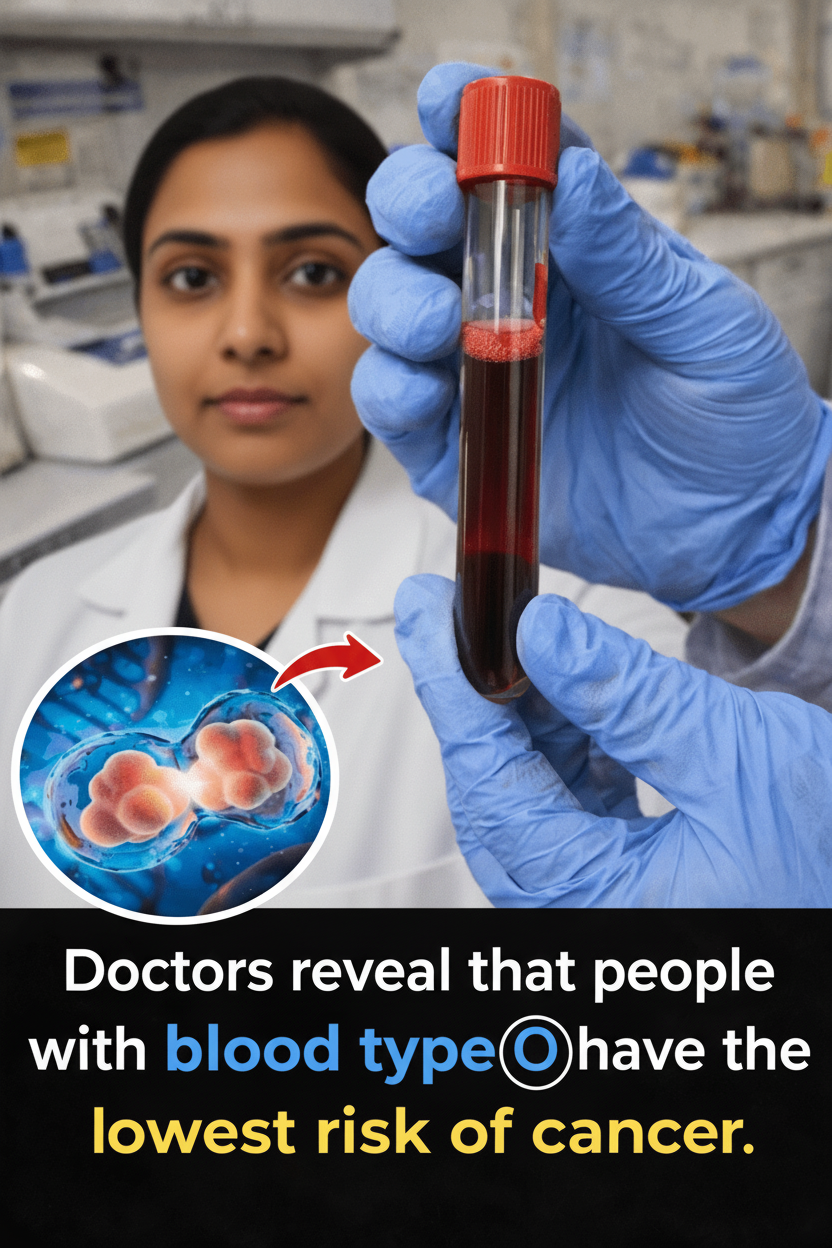
A consistent observation has emerged: individuals with Blood Type O frequently exhibit a lower correlation with the risk of developing certain cancers compared to those in other ABO groups. It is crucial to emphasize that this observation does not imply immunity; rather, it suggests a potential protective element at play. The underlying reasons for this perceived advantage are a subject of ongoing expert theorization, potentially relating to how blood type influences inflammatory pathways or the body’s management of specific proteins.
For example, non-O blood types (A, B, and AB) have been associated in some studies with elevated levels of von Willebrand factor, a protein integral to blood clotting, which may also impact cellular processes relevant to cancer development. Further supporting these observations, a comprehensive meta-analysis encompassing over 1.6 million participants revealed that individuals with Blood Type O had an approximate 10-20% reduced risk for pancreatic cancer when compared to those with Blood Type A. Similar advantageous trends have been noted in research concerning gastric (stomach) and colorectal cancers. However, it’s vital to note that these associations are not uniform across all cancer types; for breast cancer, for instance, the links are considerably less clear, with many studies reporting minimal differences.
Blood Types with Potentially Elevated Cancer Associations
Conversely, attention turns to the blood groups—A, B, and AB—that, in some research, correlate with slightly elevated patterns in certain cancer studies. Specifically, for individuals with Blood Type A, research from the Journal of the National Cancer Institute points to a possible increased association with stomach cancer. This link is hypothesized to be partly due to interactions with Helicobacter pylori bacteria, a well-established risk factor for gastric malignancies.
Similarly, Blood Type B has shown connections to pancreatic and ovarian cancers in some datasets, as highlighted by a large cohort study in Sweden that monitored over a million individuals. Perhaps the most notable associations in certain analyses are seen with Blood Type AB. For pancreatic cancer, individuals with AB blood type might face up to a 40% higher relative risk compared to those with Type O, according to Harvard-led investigations.
It’s essential to underscore that these findings should not be a cause for undue alarm. Lifestyle factors, including diet, regular physical activity, and avoiding smoking, continue to exert a far more substantial influence on cancer risk. Nevertheless, possessing this knowledge can serve as a catalyst for adopting more proactive health management strategies. Furthermore, these findings are not absolute; genetics, environmental exposures, and individual habits intricately intertwine to shape overall health outcomes.
Exploring the Underlying Mechanisms
To unravel these observed patterns, researchers propose several potential biological explanations. Firstly, the presence or absence of specific antigens on red blood cells may significantly influence how the immune system identifies and responds to abnormal or cancerous cells. Since Blood Type O lacks both A and B antigens, it might permit a more vigilant and effective immune response against nascent cancer cells.
Secondly, the intricate relationship between blood types and gut microbiota is gaining traction. Research published in Nature Reviews Microbiology suggests that certain bacterial communities within the gut interact differently depending on an individual’s blood group. These interactions can impact systemic inflammation, a critical factor recognized for its role in the initiation and progression of various cancers.
A third significant area of research focuses on clotting factors, which are known to vary by blood type. Higher levels of certain clotting factors observed in non-O blood groups could potentially foster microenvironments conducive to tumor growth and metastasis.
Conclusion: A Holistic View of Health
While the link between blood type and cancer risk is a compelling area of scientific study, it’s crucial to contextualize these findings within a broader understanding of health. Blood type represents just one piece of a complex puzzle, influenced by a myriad of genetic, environmental, and lifestyle elements. The insights discussed here underscore the importance of ongoing research in personalized medicine and disease prevention.
Ultimately, a holistic approach to wellness remains paramount. Adopting a balanced diet, engaging in regular physical activity, maintaining a healthy weight, avoiding tobacco, and undergoing recommended screenings are foundational pillars for reducing cancer risk, regardless of one’s blood type. Understanding these scientific associations can serve as an additional motivator for embracing a proactive and informed approach to your health journey.