 By admin
 Unraveling Small White Spots on Skin: Understanding Idiopathic Guttate Hypomelanosis (IGH)
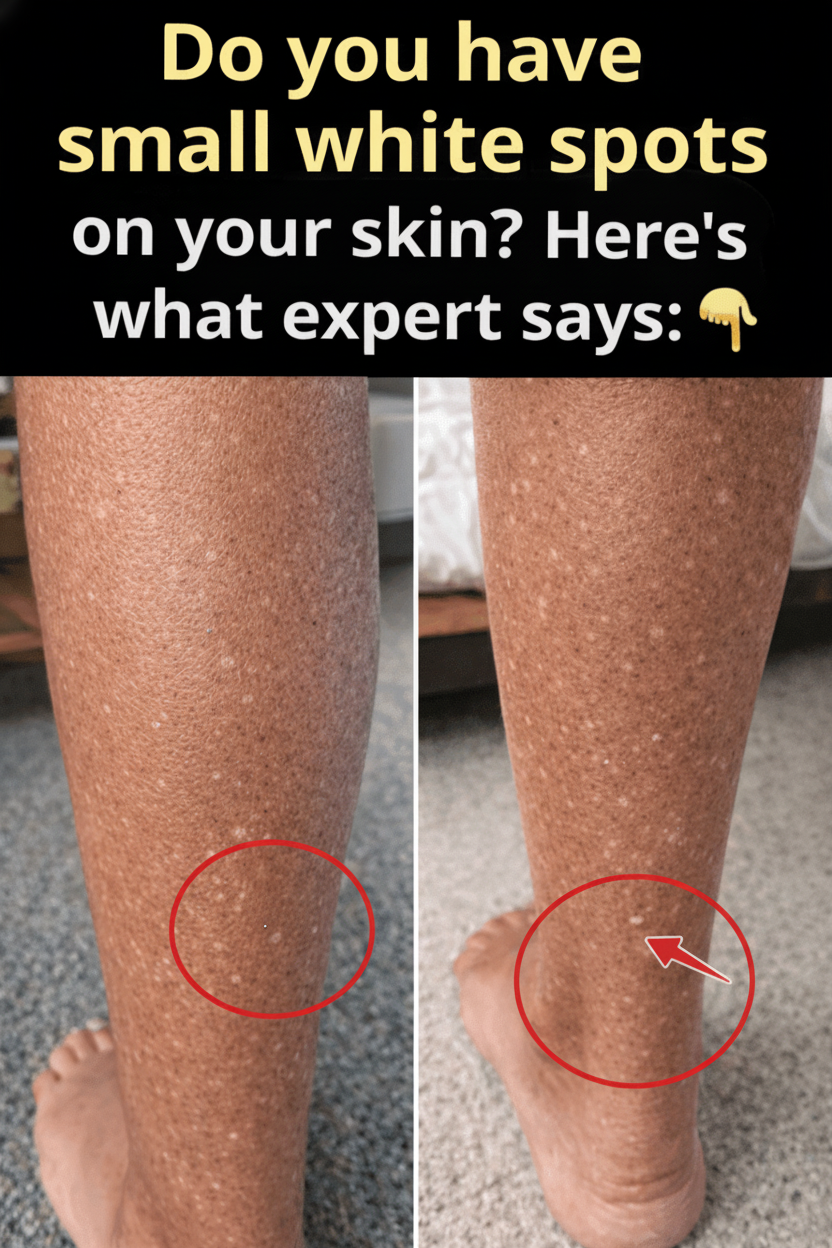
Have you ever noticed tiny white spots appearing subtly on your arms or legs, especially after years spent enjoying the sun? These small, often unassuming marks can sometimes raise questions about your skin’s health. While they may seem to multiply over time and become more noticeable, particularly on darker skin tones, the good news is that these spots are typically a harmless, age-related change in skin pigmentation. Dermatologists refer to this common condition as Idiopathic Guttate Hypomelanosis, or IGH, often colloquially known as ‘white sun spots.’ It’s a benign skin change linked to the long-term effects of ultraviolet (UV) radiation on melanin production. But what exactly causes them, how can you identify them, and what steps can you take to support your skin’s overall health? Join us as we explore the answers to these questions and provide practical advice for minimizing further changes.
What Exactly Are These Small White Spots on Your Skin?
Idiopathic Guttate Hypomelanosis (IGH) manifests as small, flat, and usually asymptomatic spots of lighter skin. These marks are typically round or oval, ranging from 2 to 5 millimeters in diameter—roughly the size of a pinhead to a pencil eraser. Research consistently shows their prevalence on chronically sun-exposed areas, most commonly the forearms and shins, but occasionally extending to the upper back or chest. Unlike other skin conditions, IGH spots are smooth to the touch, non-itchy, and cause no discomfort. Studies indicate that they become increasingly common with age, particularly after 40, affecting a significant portion of the adult population. Their contrast can be particularly striking on individuals with darker skin complexions, making them more prominent.
Unpacking the Causes Behind These White Marks
While the term ‘idiopathic’ suggests that the precise cause of IGH isn’t fully understood, compelling evidence strongly implicates cumulative ultraviolet (UV) exposure as the primary trigger. Over decades, repeated exposure to the sun’s UV rays can impair melanocytes—the specialized skin cells responsible for producing melanin, the pigment that gives our skin its color. This damage leads to localized reductions in pigment, resulting in the distinct hypopigmented (lighter) spots characteristic of IGH. Beyond sun damage, other contributing factors suggested by various studies include the natural aging process of the skin and a potential genetic predisposition, as the condition sometimes appears to run in families. It’s crucial to understand that IGH is not associated with infections, allergic reactions, or any serious underlying health conditions, offering reassurance to those who discover these spots.
Distinguishing IGH from Other Skin Conditions
Identifying IGH correctly is essential, as these spots can sometimes be confused with other skin changes. Here’s a concise comparison to help differentiate Idiopathic Guttate Hypomelanosis from similar conditions, although professional confirmation from a dermatologist is always recommended:
- Idiopathic Guttate Hypomelanosis (IGH): Characterized by small (2-5mm), flat, white, multiple spots typically found on sun-exposed limbs. They are asymptomatic, non-scaly, and most common in adults over 40.
- Pityriasis Alba: More frequently observed in children and teenagers, presenting as round patches with mild scaling. These may initially appear pink or red and commonly affect the face and arms, often associated with dry skin or eczema.
- Tinea Versicolor: An infection caused by yeast, which can lead to patches that are either lighter or darker than the surrounding skin. These patches are often scaly, may itch, and typically appear more widespread on the trunk and upper body.
- Vitiligo: Involves a more significant and often complete loss of skin pigment, resulting in larger, irregularly shaped white patches. Vitiligo can affect any area of the body, including the face, hands, and mucous membranes.
If your skin spots align with the description of small, scattered, and asymptomatic marks primarily on your arms and legs, it’s highly probable that you are experiencing this common, benign skin change. Nevertheless, a consultation with a dermatologist can provide a definitive diagnosis and tailored advice.
Nurturing Your Skin: Everyday Habits for Health and Prevention
While existing IGH spots are generally permanent, adopting consistent skin care routines can significantly help protect your remaining skin, promote overall dermal health, and potentially slow the development of new spots. Integrating these actionable steps into your daily life can make a notable difference:
- Diligent Sun Protection: Apply a broad-spectrum sunscreen with an SPF of 30 or higher every day, irrespective of weather conditions or whether you’re indoors near windows. This is the cornerstone of preventing further UV damage.
- Protective Attire: When outdoors, especially during peak sun hours (10 a.m. to 4 p.m.), opt for protective clothing such as long-sleeved shirts, wide-brimmed hats, and seek shade whenever possible.
- Optimal Hydration: Keep your skin well-hydrated by using gentle, fragrance-free moisturizers regularly. Well-hydrated skin can sometimes make existing spots appear less prominent and supports the skin’s barrier function.
- Antioxidant-Rich Diet: Incorporate a variety of antioxidant-rich foods into your diet, including berries, leafy green vegetables, and nuts. These nutrients provide internal support for skin health and resilience against environmental stressors.
- Avoid Tanning Beds: Steer clear of tanning beds and excessive intentional sunbathing, as these practices dramatically increase your exposure to harmful UV radiation and accelerate skin aging and damage.
- Consider Niacinamide: Some individuals find topical products containing niacinamide (a form of Vitamin B3) beneficial. Niacinamide can help improve skin barrier function, reduce redness, and potentially support a more even skin tone appearance over time.
- Gentle Exfoliation: Incorporate gentle exfoliation once or twice a week. This can help remove dead skin cells and promote a smoother, more uniform skin texture, which may subtly enhance the overall appearance of your skin.
Consistency in these preventative measures, particularly sun protection, is widely endorsed by skin health experts as the most effective strategy for managing and minimizing skin changes like IGH.
When to Consult a Skin Professional
For the vast majority of individuals, IGH is a benign condition that requires no specific medical intervention. However, it’s always prudent to consult a dermatologist if you observe any of the following changes or have concerns:
- A rapid or significant increase in the number or size of your white spots.
- Any associated symptoms such as itching, scaling, pain, or changes in the texture of the spots.
- Spots appearing in unusual patterns or on areas of your body not typically exposed to the sun.
- General concerns about your overall skin health, or if you have a family history of serious skin conditions.
A professional evaluation can provide valuable peace of mind, confirm the diagnosis, and rule out any rarer or more serious skin issues, ensuring you receive appropriate guidance for your specific skin needs.
”
}
“`