 By admin
 15 Early Warning Signs of Peripheral Neuropathy in Your Hands and Feet You Shouldn’t Overlook
It’s easy to dismiss peculiar sensations in your hands or feet, often attributing them to simple fatigue or temporary poor circulation after a long day. However, when these subtle feelings – such as persistent tingling, bothersome numbness, or unusual discomfort – become more frequent, particularly in your extremities, they could signal a more significant health concern: peripheral nerve damage, also known as peripheral neuropathy. These changes tend to develop gradually, subtly impacting daily life and making routine tasks frustrating or even hazardous over time. The encouraging news is that identifying these patterns early on empowers you to seek professional medical advice and take proactive steps toward understanding and managing your condition. This comprehensive guide will explore 15 common early indicators, drawing insights from credible health sources, explaining their significance, and offering practical ways to monitor your body more closely. Stay with us until the end for actionable tips to support nerve health and answers to frequently asked questions.
Understanding Peripheral Neuropathy: What Happens When Nerves Are Affected?
Imagine your peripheral nerves as an intricate network of electrical cables extending throughout your body, crucial for transmitting signals related to sensation, movement, and vital automatic functions. When these delicate nerves suffer damage – a condition medically termed peripheral neuropathy – this critical communication system becomes disrupted. Research from esteemed institutions like the Mayo Clinic indicates that this condition frequently originates in the body’s longest nerves, which are those reaching your toes and fingers first. Symptoms typically emerge slowly and may initially fluctuate, appearing and disappearing. Yet, neglecting these warning signs can allow the damage to progress, potentially impairing your balance, muscular strength, and overall comfort. Studies consistently underscore that early recognition is paramount for effective management and mitigating long-term complications of nerve damage.
Key Sensory Changes: The Earliest Indicators to Observe
Sensory nerves are responsible for conveying information about touch, temperature, and pain to your brain. When these nerves are compromised, unusual sensations often become the first noticeable signs of neuropathy. Here are some critical sensory changes to be aware of:
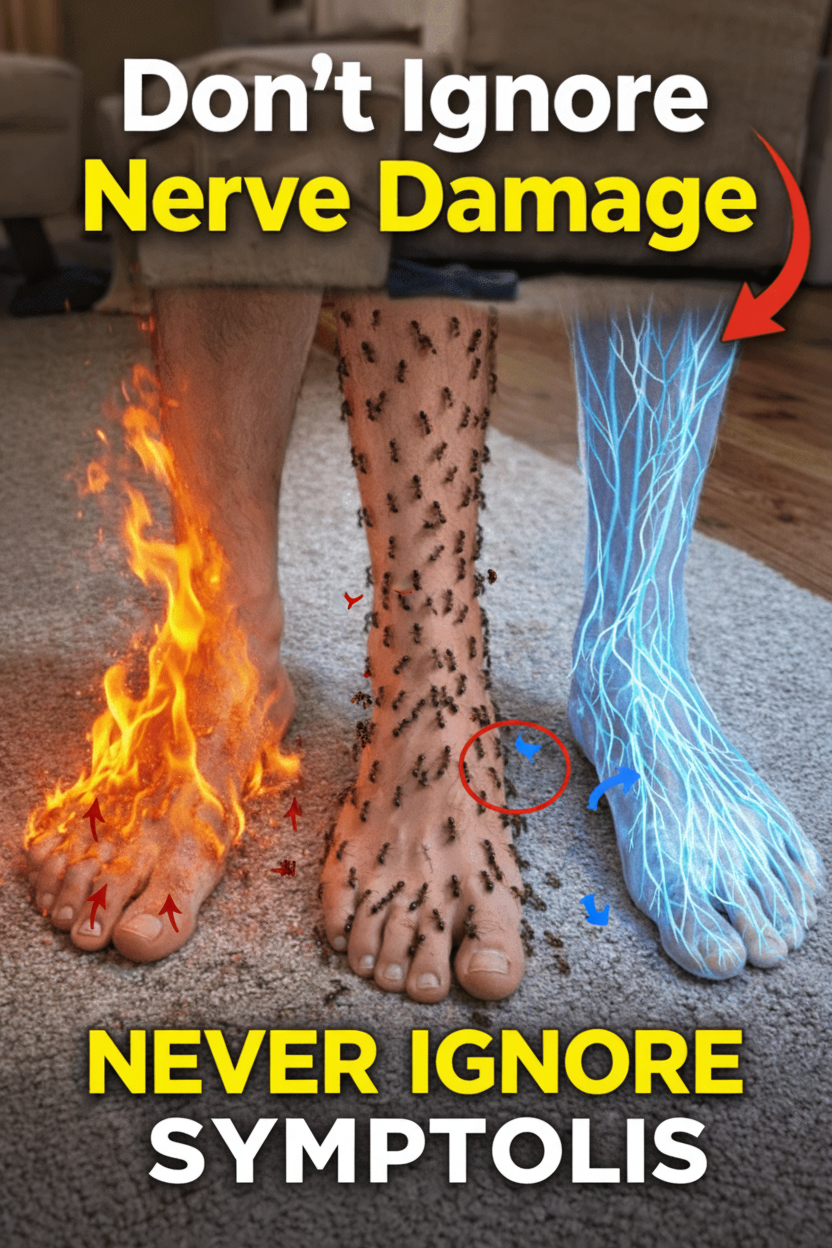
- Persistent Tingling or “Pins and Needles”: A classic symptom, this sensation often begins in the toes or fingertips, feeling as though a limb has fallen asleep but struggles to fully regain normal sensation. It’s a common early sign of nerve damage.
- Numbness or Diminished Sensation: You might experience a reduced ability to feel light touches, subtle changes in temperature, or even minor cuts and scrapes, potentially leading to unnoticed injuries. This localized numbness is a key indicator.
- Burning Sensations: Many individuals describe a constant warm or hot feeling, particularly in the soles of their feet, which tends to intensify during the evening or at night. This burning pain can be quite distressing.
- Sharp, Shooting, or Stabbing Discomfort: Sudden, unpredictable jolts of pain can strike without warning, sometimes described as feeling like electric shocks or brief, intense stabs. These acute episodes are a direct result of nerve irritation.
- Heightened Sensitivity to Touch (Allodynia): Even gentle contact, such as the brush of a bedsheet or the pressure of a sock, can provoke disproportionately intense pain in affected areas. This unusual pain response is medically known as allodynia.
It’s important to note that these sensory disturbances can gradually ascend over time, potentially spreading from your feet up into your legs, or from your hands into your arms, signaling advancing nerve damage.
Motor and Balance Indicators: Signs Affecting Movement and Stability
Beyond sensation, nerves also play a vital role in controlling muscle movement, strength, and overall coordination. Damage to these motor nerves can lead to noticeable alterations in your physical capabilities and stability:
- Muscle Weakness: Everyday activities like gripping objects firmly, climbing stairs or walking uphill, or even standing on your tiptoes may become increasingly challenging due to diminished muscle strength.
- Frequent Tripping or Loss of Balance: You might find yourself stumbling more often, especially when navigating in dimly lit environments or on uneven ground, indicating compromised balance and coordination.
- Difficulty with Fine Motor Skills: Tasks requiring precise hand movements, such as buttoning a shirt, typing accurately, or holding small utensils, can feel clumsy and difficult to execute.
- Involuntary Muscle Cramps or Twitching: Unexplained muscle spasms, cramps, or subtle twitching (fasciculations) can occur as nerves misfire, sending erratic signals to muscles.
- Sensation of Heaviness in Limbs: Your arms or legs might feel unusually tired, heavy, or weighed down, even without significant physical exertion, contributing to overall fatigue.
Extensive research consistently demonstrates that balance impairments significantly elevate the risk of falls, a concern that is particularly pronounced among older adults with neuropathy.
Less Obvious Signs: Other Overlooked Neuropathy Symptoms
Some manifestations of nerve damage can involve automatic bodily functions or present in less conspicuous ways, often going unnoticed initially:
- Changes in Skin, Hair, or Nail Appearance: Affected skin areas might feel noticeably cooler to the touch, you may observe thinning hair on your extremities, or your nails could become unusually brittle, reflecting impaired nerve supply to these tissues.
- Excessive Sweating or Unexplained Dryness: Inconsistent or irregular sweating patterns, such as excessive perspiration in one specific body region while others remain dry, can be a sign of autonomic nerve dysfunction.
- Digestive Discomfort or Other Internal Shifts: While less common as an early symptom, some individuals might experience unexplained bloating, constipation, diarrhea, or irregular bowel patterns, indicating potential autonomic neuropathy affecting internal organs.
If you recognize several of these subtle yet significant indicators in yourself, it is strongly advised to pay closer attention and consider discussing them with a healthcare professional.
Proactive Steps for Supporting Your Nerve Health
While only a qualified healthcare provider can offer personalized medical advice and a definitive diagnosis, adopting certain healthy habits, supported by health experts, can significantly contribute to overall nerve well-being and potentially mitigate nerve damage progression:
- Maintain Stable Blood Sugar Levels: For individuals with diabetes or prediabetes, consistent monitoring and diligent management of blood glucose are crucial, as high blood sugar is a leading cause of peripheral neuropathy. Always consult your doctor for personalized guidance on diabetes management.
- Embrace a Nutrient-Rich Diet: Prioritize foods abundant in essential B vitamins (found in leafy greens, eggs, whole grains, and nuts), potent antioxidants (berries, colorful vegetables), and healthy fats (avocados, fatty fish like salmon, olive oil). These nutrients are vital for nerve function and repair.
- Engage in Gentle, Regular Physical Activity: Activities such as walking, swimming, cycling, or yoga can significantly improve blood circulation, deliver essential oxygen and nutrients to nerve tissues, and help maintain muscle strength without overstraining the body.
- Prioritize Foot Protection and Care: Always wear comfortable, well-fitting shoes to prevent injury. Make it a daily habit to inspect your feet for any cuts, blisters, sores, or changes in skin appearance, especially if you experience numbness, as injuries can go unnoticed and lead to serious complications.
- Limit Alcohol Consumption and Avoid Toxins: Excessive alcohol intake can be toxic to nerves. Additionally, exposure to certain industrial chemicals and heavy metals can contribute to nerve damage, so minimize exposure where possible.
Recognizing the early signs of peripheral neuropathy is the first crucial step toward effective management and preserving your quality of life. Don’t hesitate to seek medical evaluation if these symptoms resonate with your experience.