 By admin
 Modern beauty routines often involve a myriad of expensive products, yet many still grapple with dry, lackluster hair and dull, uneven skin. The cumulative effects of styling, environmental stressors, and harsh weather can leave our hair brittle and our complexion yearning for revitalization. What if the answer to achieving healthier-looking hair and smoother, more vibrant skin lay in something as unassuming as the water left after preparing rice? This age-old tradition is experiencing a significant resurgence, captivating those seeking natural, cost-effective alternatives. While rice water isn’t a miraculous cure-all, its potential for gentle nourishment is worth exploring. The true secret to unlocking its maximum benefits, however, often lies in its preparation, particularly through a simple fermentation process. Read on to uncover how to harness this natural elixir, and don’t miss a crucial tip at the end that many overlook, which could significantly enhance your results.
What is Rice Water? Unveiling Its Potent Composition
At its core, rice water is the nutrient-rich liquid obtained from rinsing or boiling rice grains. As rice soaks or cooks, beneficial compounds are released into the water, creating a milky, starchy solution. This humble liquid is a treasure trove of goodness, packed with essential amino acids, B and E vitamins, minerals, and powerful antioxidants. These components are what give rice water its remarkable potential for beauty applications.
For centuries, diverse cultures, especially across Asia, have revered rice water as a fundamental element of their traditional beauty rituals. Today, the form gaining the most attention is often fermented rice water. This process involves allowing the strained rice water to sit at room temperature for 24 to 48 hours. During fermentation, natural yeast and bacteria break down the starches, converting them into milder acids and further enhancing the concentration of beneficial compounds. This fermented version typically develops a distinct, slightly sour scent and a silkier texture compared to its plain counterpart, indicating its heightened potency.
While large-scale scientific research on rice water is still emerging, preliminary studies and extensive anecdotal evidence highlight its efficacy. Lab research, for instance, suggests that inositol—a carbohydrate abundantly found in rice—plays a key role in improving hair elasticity and minimizing friction between strands. This action can lead to noticeably shinier, smoother, and more resilient hair. Additionally, early findings indicate that the antioxidant properties within rice water may offer significant support for skin comfort and overall health.
Unlocking Hair Health: The Transformative Benefits of Rice Water
For those seeking to revitalize their locks, rice water offers a compelling natural solution, promising stronger, more lustrous, and manageable hair. Here’s a closer look at the key advantages reported by users and suggested by initial research:
- Enhanced Luster and Smoothness: The natural proteins and starches present in rice water gently coat the hair shaft, forming a protective, smoothing layer. This action helps to seal the cuticles, resulting in hair that not only appears significantly glossier but also feels remarkably softer to the touch.
- Increased Hair Elasticity and Strength: Research points to compounds like inositol, derived from rice, as crucial for improving hair’s flexibility. By enhancing elasticity, rice water can effectively reduce friction and minimize breakage, especially during daily styling, brushing, and detangling, leading to more resilient strands.
- Optimized Scalp Health: The rich blend of antioxidants and anti-inflammatory agents in rice water can contribute to a healthier scalp environment. It helps to soothe minor irritation, reduce redness, and create optimal conditions for robust hair growth, addressing the foundation of healthy hair.
It’s important to set realistic expectations: while countless individuals attest to its benefits, most evidence stems from personal testimonials and smaller laboratory studies. While no extensive clinical trials definitively prove accelerated hair growth, consistent and gentle application of rice water often yields noticeable improvements in hair texture, strength, and overall appearance.
Plain vs. Fermented Rice Water: Choosing Your Elixir
When incorporating rice water into your beauty regimen, you essentially have two primary options: plain (soaked) rice water or fermented rice water. Understanding the differences can help you decide which is best suited for your needs and preferences:
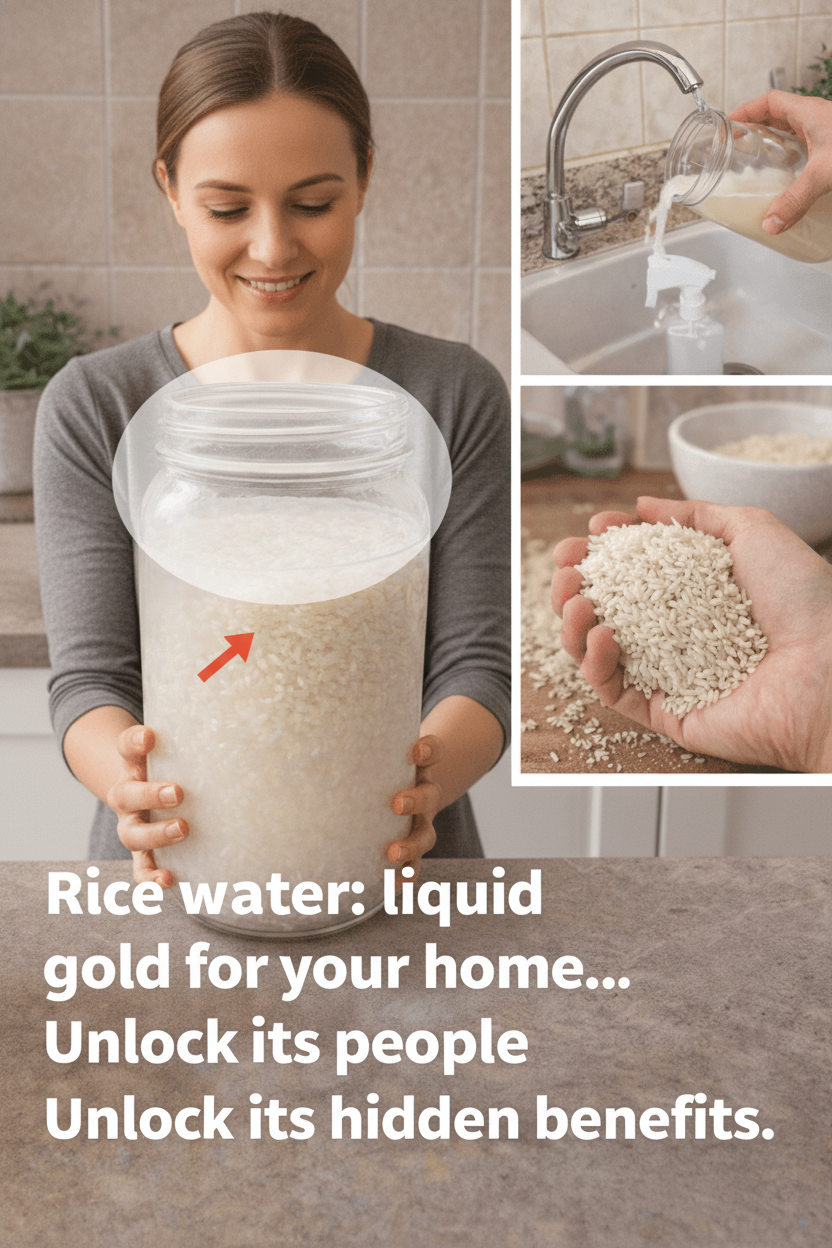
- Plain Rice Water: This is the simplest and quickest version to prepare. It involves merely soaking rice in water for a short period and then straining the liquid. Plain rice water has a very mild, almost neutral scent, making it an excellent starting point for those new to natural remedies or testing their hair and skin’s tolerance. It offers immediate, gentle benefits, though perhaps less concentrated than its fermented counterpart.
- Fermented Rice Water: Often considered the more potent option, fermented rice water undergoes a process where it is left to sit for 24-48 hours. This fermentation process introduces a slightly sour, distinct aroma, which some may find strong. However, it also breaks down starches, lowers the pH, and potentially increases the concentration of beneficial nutrients like antioxidants and inositol. Long-term users frequently favor fermented rice water for its enhanced ability to impart exceptional smoothness, shine, and overall hair health.
For beginners, starting with plain rice water is advisable to observe how your hair and skin respond. Once comfortable, you might consider transitioning to fermented rice water to experience its more concentrated effects.
Radiant Skin: How Rice Water Can Transform Your Complexion
The benefits of rice water extend far beyond hair care, holding a cherished place in traditional skincare rituals across the globe. Particularly, the fermented variant of rice water demonstrates remarkable potential for skin health, with small studies highlighting its impressive antioxidant activity, sometimes even compared to the efficacy of Vitamin C.
Many individuals integrate rice water into their daily routine as a gentle, natural toner or refreshing facial rinse. Users frequently report a sensation of refreshed, balanced, and invigorated skin after use. Its mild exfoliating properties can subtly assist in removing dead skin cells and surface buildup without the harshness often associated with chemical exfoliants, thereby promoting a brighter, more even-toned complexion.
Further promising research, including one small study, indicated that rice water gels might help in reducing specific enzyme activities associated with visible signs of skin aging. This suggests a supportive role in maintaining youthful skin elasticity and minimizing the appearance of fine lines. As with any natural remedy, individual results can vary based on skin type and concerns. Rice water is best utilized as a complementary component within a comprehensive skincare regimen, rather than a sole treatment.
Your DIY Guide: Crafting Fermented Rice Water at Home
Creating your own fermented rice water is a surprisingly simple and cost-effective process, utilizing ingredients you likely already have in your pantry. Follow these clear steps to prepare a safe and potent batch:
- Select Your Rice: Begin with 1/2 to 1 cup of uncooked white or jasmine rice. Opting for organic rice is recommended to minimize exposure to pesticides or other residues.
- Thoroughly Rinse the Rice: Place your chosen rice in a bowl and rinse it under cool, running water 2-3 times. Continue rinsing until the water appears mostly clear. This crucial step removes any surface dirt, impurities, and excess starch that could hinder the fermentation process.
- Initiate the Soaking Process: Transfer the rinsed rice to a clean bowl or jar and cover it with 2-3 cups of fresh, clean water. Gently stir the mixture to ensure all grains are submerged. Allow the rice to soak for approximately 30 minutes, swirling it occasionally to encourage the release of starches and nutrients into the water.
- Strain and Collect the Liquid: Carefully pour the rice and water mixture through a fine-mesh strainer into a clean glass jar. Press down gently on the rice to extract as much liquid as possible. You can then discard the rice or save it for cooking.
- Begin Fermentation: Loosely cover the glass jar containing the rice water. A breathable cloth secured with a rubber band or a lid that isn’t fully sealed works perfectly, allowing air to circulate. Leave the jar at room temperature (ideally between 68-75°F or 20-24°C) for 24 to 48 hours. You’ll know it’s ready when it develops a faint, slightly sour smell, indicating successful fermentation.
How to Use Rice Water for Hair and Skin
Once your fermented rice water is ready, it’s time to integrate this natural elixir into your beauty routine. Remember, consistency is key for visible results.
For Hair Care:
- As a Rinse: After shampooing and conditioning, thoroughly rinse your hair with fermented rice water. Gently massage it into your scalp and hair, from roots to tips.
- Leave-in Treatment (Optional): For deeper conditioning, you can leave it on for 5-20 minutes before rinsing with cool water. Some users even opt for a diluted leave-in spray.
- Frequency: Start by using it 1-2 times a week. Adjust based on your hair’s response.
</