 By admin
 Many men over the age of 50 begin to experience noticeable shifts in their urinary patterns. Common concerns include more frequent nighttime bathroom visits, a diminished urine flow, or the persistent feeling that the bladder hasn’t fully emptied. These symptoms are often linked to Benign Prostatic Hyperplasia (BPH), a non-cancerous enlargement of the prostate gland prevalent among older males. BPH can significantly disrupt sleep, reduce energy levels, and impact overall daily comfort.
While various medical interventions are available, there’s a growing interest in dietary strategies, particularly those leveraging everyday foods rich in beneficial compounds. What if a simple, often discarded item like onion peels could hold significant value? Onions are a rich source of quercetin, a potent flavonoid extensively studied for its anti-inflammatory and antioxidant properties. Emerging research suggests this compound may play a supportive role in prostate wellness. Beyond modern scientific understanding, traditional practices have long utilized preparations like onion peel tea. Stay with us as we delve deeper into the evidence and provide practical tips for integrating this natural approach into your daily routine.
Understanding Benign Prostatic Hyperplasia and Common Urinary Changes
Benign Prostatic Hyperplasia (BPH) is a progressive condition that develops as men age. As the prostate gland grows, it can exert pressure on the urethra, leading to a range of Lower Urinary Tract Symptoms (LUTS). Statistical data indicates that over half of men in their fifties encounter some degree of these symptoms, with prevalence rates escalating considerably in subsequent decades.
Typical indicators of BPH include waking up multiple times at night to urinate (nocturia), a sudden and strong urge to urinate (urgency), difficulty initiating urination (hesitancy), and the sensation of incomplete bladder emptying. Unaddressed, these issues can contribute to chronic fatigue, a decline in quality of life, and in some cases, secondary complications such as urinary tract infections. Factors like lifestyle choices, hormonal fluctuations, and inflammation are recognized contributors to BPH progression. Consequently, many individuals actively seek dietary methods to enhance urinary comfort. Interestingly, observational studies have consistently linked the consumption of onions and other Allium vegetables to a reduced likelihood of experiencing BPH symptoms.
The Role of Quercetin in Onions and Its Potential Benefits
Quercetin stands out as a primary bioactive compound found in onions, particularly concentrated in their outer dry peels and in red onion varieties. As a member of the flavonoid family, quercetin is renowned for its robust antioxidant capabilities, which help combat oxidative stress, and its potential to modulate inflammatory pathways within the body. This powerful compound is also present in other common foods like apples and various teas.
Pre-clinical research, particularly in animal models, has demonstrated that extracts rich in quercetin can effectively reduce markers of prostate inflammation and hyperplasia. For instance, specific studies utilizing red onion scale extracts have shown dose-dependent reductions in prostate weight and inflammatory cytokines in experimental settings. In human health contexts, quercetin has been more frequently investigated in relation to chronic prostatitis/chronic pelvic pain syndrome (CP/CPPS), a condition characterized by prostate inflammation.
Double-blind clinical trials examining CP/CPPS patients have reported significant improvements in symptom scores, including various urinary aspects, when compared to placebo groups. Furthermore, observational epidemiological studies consistently highlight an association between higher dietary intake of onions (and garlic) and a decreased risk of BPH. A notable European case-control analysis, for example, identified that men with greater consumption of these Allium vegetables exhibited lower odds of developing the condition. While these findings are promising, it’s important to acknowledge that they stem from diverse study designs. Therefore, more extensive, large-scale human trials specifically focusing on onion-based preparations for BPH are still needed to solidify these conclusions.
Why Onion Peels Might Offer Extra Value
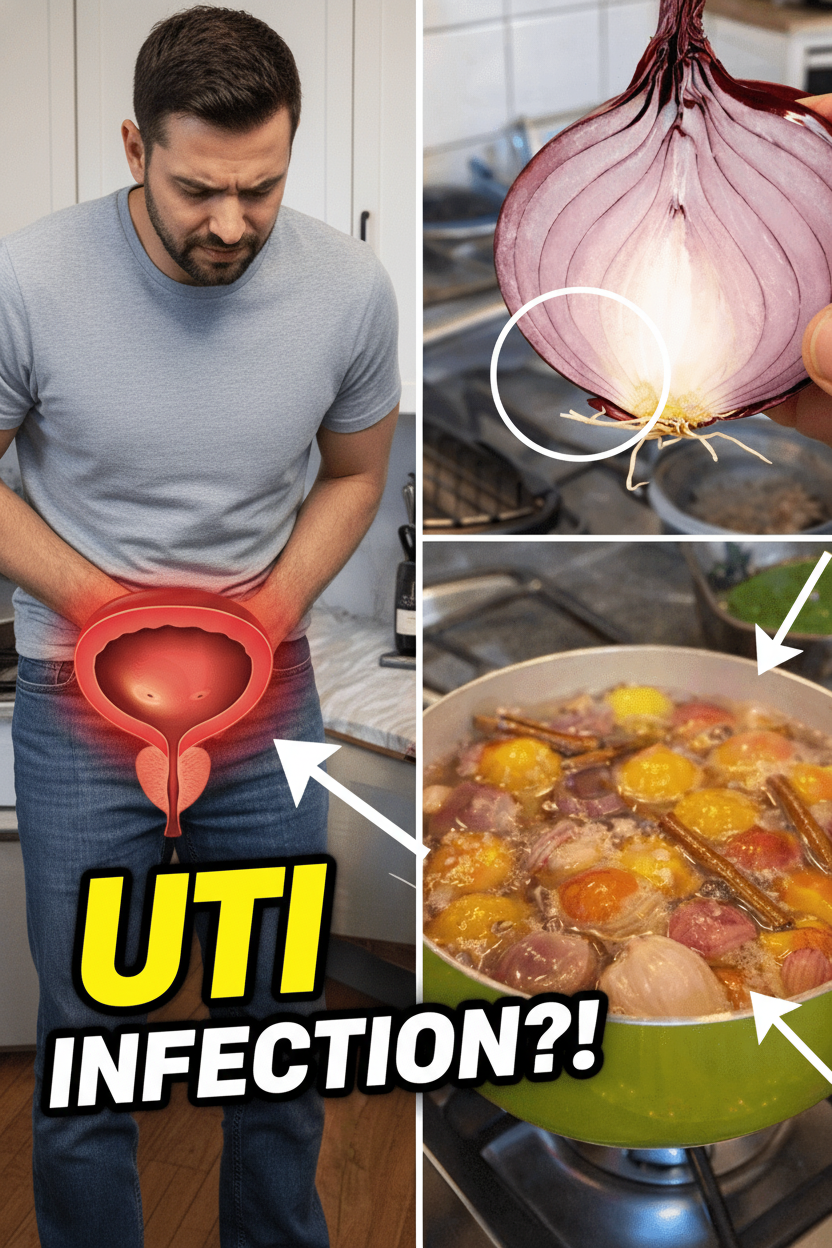
The often-discarded dry outer layers of onions are surprisingly valuable, containing significantly higher concentrations of quercetin compared to the inner fleshy bulb. This fact aligns with traditional health practices across various cultures, where these peels have historically been used in infusions or teas for general wellness support. Beyond their quercetin content, onion peels also provide dietary fiber and a spectrum of other beneficial polyphenols.
Preparing a mild tea from these peels offers a gentle method to extract these valuable compounds, ensuring that the beneficial properties are preserved without degradation from excessive heat. This approach is particularly appealing due to its accessibility, cost-effectiveness, and its ingenious use of kitchen waste that would otherwise be discarded, promoting a sustainable and resourceful health practice.
How to Prepare a Simple Onion Peel Tea at Home
Here’s a straightforward and gentle method to prepare your own onion peel tea, designed for optimal compound extraction:
- Collect Peels: Gather the dry outer peels from 2-3 medium-sized organic onions. Ensure you avoid any peels that show signs of mold or damage.
- Rinse Thoroughly: Rinse the collected peels under cool running water to remove any surface dirt or residues.
- Gentle Simmer: Place the clean peels in a small pot with approximately 2 cups of filtered water. Bring the water to a gentle simmer (do not allow it to boil vigorously) and let it steep for 10-15 minutes.
- Strain and Serve: Strain the liquid into a cup or jar, discarding the peels.
- Customize (Optional): Allow the tea to cool slightly. If desired, you can add a teaspoon of honey or a slice of lemon for taste.
- Enjoy Daily: Drink one cup daily, ideally in the morning or evening.
For those who prefer a fresh onion infusion:
- Prepare Onion: Wash one medium onion thoroughly.
- Chop and Steep: Chop half of the onion (or use a mix of peels and flesh). Place it in a mug.
- Infuse: Pour hot (not boiling) water over the onion pieces and let it steep for 5-10 minutes.
- Strain and Sip: Strain out the onion pieces and sip the warm infusion.
It’s always recommended to start with a small amount to observe how your body responds. Remember that red onions are often noted for their higher quercetin content, offering enhanced potential benefits.
Embracing Natural Support for Prostate Health
The exploration of onion peels and their rich quercetin content presents a fascinating natural avenue for potentially supporting prostate and urinary health. From understanding the widespread impact of BPH and LUTS to appreciating the anti-inflammatory and antioxidant power of quercetin, the evidence, though still evolving, points towards promising benefits.
Incorporating simple, accessible dietary strategies like onion peel tea reflects a holistic approach to wellness, utilizing resources often overlooked. While traditional wisdom and preliminary research offer encouraging insights, it is crucial to remember that natural remedies should complement, not replace, professional medical advice. Always consult with a healthcare provider before making significant changes to your health regimen, especially if you are experiencing symptoms of BPH or other urinary issues. By combining informed choices with medical guidance, you can actively pursue optimal prostate and urinary well-being.