 By admin
 Unlocking Your Heart’s Health: Why Your Morning Blood Pressure Reading Is Crucial
For many individuals, a routine check of their blood pressure during a medical appointment is often considered sufficient for evaluating their overall heart health. However, this singular reading rarely paints the complete picture. Blood pressure inherently varies throughout the day, influenced by our body’s natural circadian rhythm, stress levels, physical activity, and numerous other factors. Relying solely on a sporadic office measurement can easily obscure critical patterns that may indicate elevated risks for serious cardiovascular problems. Extensive research consistently demonstrates that consistent blood pressure monitoring at specific times, particularly when tracked over several days or weeks, offers a significantly more accurate and comprehensive assessment of one’s cardiovascular profile. A crucial insight often overlooked is the unique ability of a specific morning measurement to pinpoint potential health concerns that might go undetected by evening or random checks. Could the most telling indicator of your heart health appear shortly after you awaken? Continue reading to explore why medical experts strongly advocate for this precise timing and how straightforward home blood pressure monitoring can provide invaluable insights into your daily physiological patterns.
Understanding Daily Blood Pressure Fluctuations
Our blood pressure adheres to a distinct physiological rhythm over a 24-hour cycle. Typically, it decreases significantly during sleep, reaching its lowest point, before experiencing a rapid increase upon awakening – a phenomenon widely recognized as the “morning surge.” Medical research, including findings published in esteemed journals such as Hypertension by the American Heart Association, has extensively investigated the correlation between this early morning rise and daily cardiovascular dynamics. For certain individuals, an unusually pronounced surge or persistently elevated morning blood pressure readings can be indicative of periods with a heightened incidence of heart-related events. In contrast, blood pressure measurements taken in a clinical setting often occur at varying times, frequently during the middle of the day, and can be skewed by the “white coat effect” – a temporary elevation caused by anxiety associated with being in a medical environment. Therefore, consistent home blood pressure monitoring provides a far more authentic representation of your typical daily levels. Leading health organizations, including the American Heart Association, advocate for regular home tracking as an essential adjunct to professional medical assessments. Crucially, what many individuals overlook is that the morning measurement window is uniquely positioned to capture these peak fluctuations, which are often the most accurate reflection of long-term cardiovascular patterns and risks.
The Morning Measurement: A Critical Indicator for Cardiovascular Health
Leading cardiologists and hypertension specialists consistently recommend taking blood pressure measurements in the morning – specifically, shortly after waking but prior to consuming breakfast, coffee, medication, or engaging in any physical exercise. This particular timing often reveals higher readings for many individuals, a phenomenon attributed to natural hormonal fluctuations, the activation of the sympathetic nervous system, and the physiological shift from a resting sleep state to active wakefulness. Extensive scientific research has firmly established a connection between distinctive morning blood pressure patterns and wider considerations for cardiovascular health. For instance, a significant increase from nocturnal low points to morning peaks has been a subject of study concerning its relationship with vascular stress and the body’s intrinsic daily rhythms. Although not every person will exhibit an extreme morning surge, regular and consistent morning checks are instrumental in identifying whether your blood pressure remains elevated during this potentially vulnerable period. These early readings offer a vital snapshot, reflecting your body’s daily physiological reset. Should your morning blood pressure readings be consistently and notably higher than those taken in the evening, it serves as a crucial signal to initiate a more in-depth conversation with your healthcare provider regarding potential lifestyle adjustments or other factors impacting your cardiovascular profile. However, understanding this alone is just one piece of the puzzle…
Mastering Accurate Morning Blood Pressure Measurement at Home
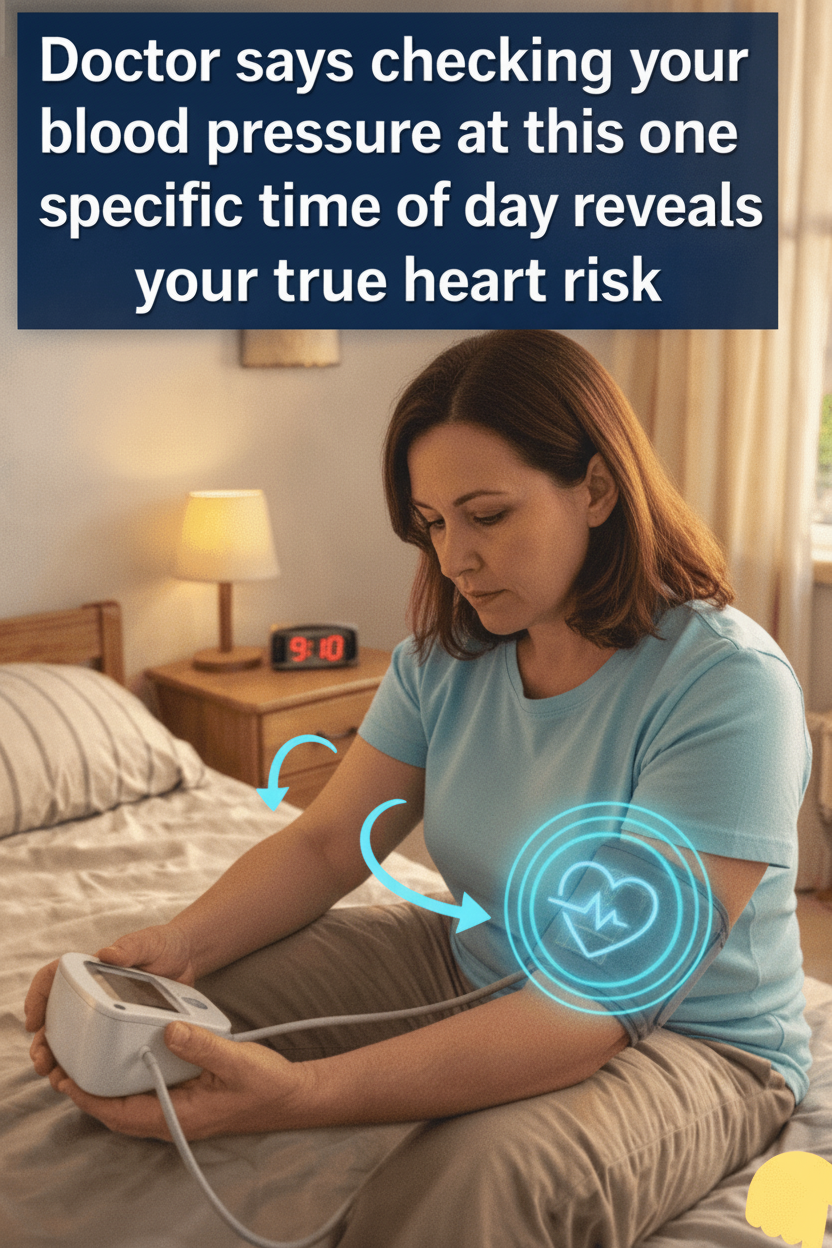
Achieving dependable and meaningful blood pressure results at home hinges on correct technique. Adhere to these essential guidelines, endorsed by leading health organizations:
- Select a Validated Monitor: Opt for an upper-arm cuff device that has been clinically validated for accuracy. Reputable resources, such as Validate BP, provide lists of approved devices.
- Proper Preparation is Key: For at least 30 minutes before measurement, refrain from consuming caffeine, smoking, exercising, or eating. Ensure your bladder is empty and sit calmly in a quiet environment for a minimum of five minutes prior to starting.
- Optimal Positioning: Sit comfortably with your back fully supported and your feet flat on the floor. Your arm should be resting on a table at heart level. Keep your legs uncrossed and maintain a relaxed posture throughout the process – avoid speaking.
- Precise Timing: Perform your measurement first thing in the morning, ideally between 6:00 a.m. and 10:00 a.m., before taking any medications or having breakfast. Take two to three readings, spaced one minute apart, and meticulously record the average.
- Consistent Tracking: Conduct these measurements daily for a minimum of seven consecutive days to establish reliable patterns. Subsequently, share these detailed logs with your healthcare provider. Remember, consistency in timing and conditions each day is paramount for collecting the most valuable data.
When Your Morning Blood Pressure Readings Signal a Need for Medical Review
While an isolated higher morning blood pressure reading may not always indicate a serious issue, persistent patterns are highly significant. Based on established general guidelines, here are key indicators to monitor:
- Consistently Elevated Morning Averages: If your morning blood pressure averages routinely exceed 135/85 mmHg. These thresholds are commonly utilized for home monitoring and align with expert consensus for potential hypertension.
- Significant Discrepancy Between Morning and Evening Readings: A substantial difference, for example, a systolic variance of 20 mmHg or more, between your morning and evening average readings.
- Absence of Nocturnal Dip: If, when tracking evening readings, you observe no significant decrease in blood pressure during the nighttime hours.
- Concomitant Symptoms: Experiencing accompanying symptoms such as persistent morning headaches, unusual fatigue, or episodes of dizziness.
It is crucial to remember that these indicators serve as valuable clues for discussion, not definitive diagnoses. Always consult with your healthcare provider to interpret trends and determine the appropriate course of action for your individual health.