 By admin
 The Silent Threat: 8 Ovarian Cancer Symptoms Every Woman Needs to Know
Many women frequently encounter minor bodily shifts, often dismissing them as typical daily annoyances related to stress, digestive issues, or the natural aging process. Yet, these seemingly innocuous alterations can occasionally signal a more severe underlying condition, such as ovarian cancer. This particular cancer is notoriously challenging to detect early because its initial indicators often mimic symptoms of less serious ailments. The cumulative frustration of persistent, unexplained discomfort can significantly disrupt daily life, leading many to wonder if it’s simply ‘a part of womanhood.’ However, heightened awareness is a powerful tool that can facilitate crucial, timely discussions with your healthcare provider. This comprehensive guide will unveil eight vital signs of ovarian cancer, supported by credible health organizations, along with actionable strategies to proactively manage your health. Continue reading to gain valuable insights that could empower you to better understand your body’s signals.
Why Ovarian Cancer Symptoms Often Go Undetected
Ovarian cancer is widely recognized as a formidable health challenge, primarily because its initial symptoms are frequently subtle and easily mistaken for common, benign conditions. Leading health institutions, including the Mayo Clinic and the American Cancer Society, highlight that these symptoms often emerge gradually and bear a striking resemblance to ailments like irritable bowel syndrome (IBS), typical menstrual fluctuations, or urinary tract infections (UTIs). This unfortunate similarity and the gradual onset often lead to significant delays in diagnosis, resulting in many cases only being identified at advanced stages.
Nevertheless, there’s a crucial empowering aspect: vigilant observation of your body’s unique patterns can enable you to pursue medical advice much earlier. Clinical studies consistently demonstrate that when specific symptoms endure for several weeks or recur with unusual frequency, they warrant immediate professional assessment. The paramount factor is recognizing any new or uncharacteristic changes within your own physiological experience.
8 Key Ovarian Cancer Symptoms to Recognize
Medical professionals and leading health organizations, such as the Cleveland Clinic and the National Ovarian Cancer Coalition, consistently emphasize the following eight indicators. It’s crucial to remember that experiencing one or more of these symptoms does not definitively mean you have ovarian cancer. However, their persistent presence absolutely warrants a consultation with your healthcare provider for evaluation.
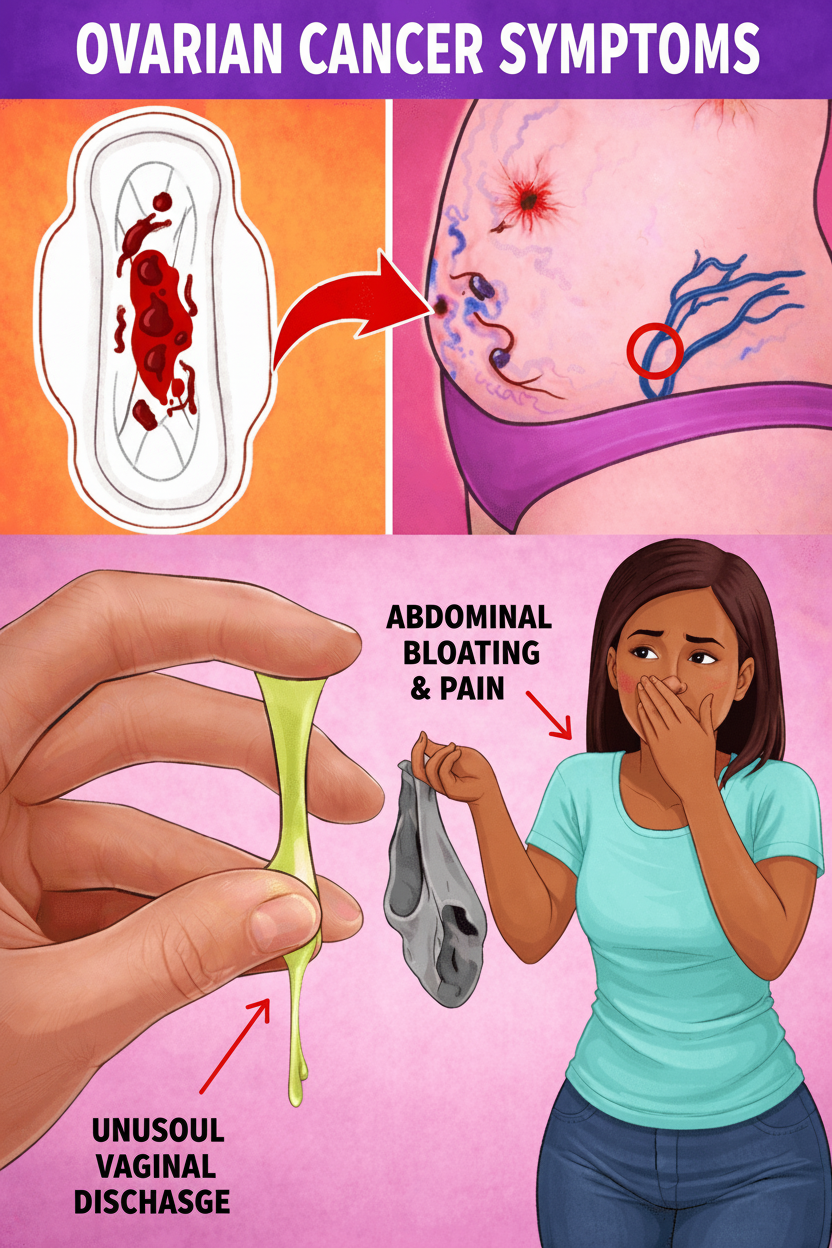
- Persistent Abdominal Bloating or Swelling: This symptom involves a noticeable fullness, tightness, or visible distension of the abdomen, even when your food intake has been minimal. You might observe that your clothing around the waist feels uncomfortably tight or fits differently, and this sensation endures consistently rather than fluctuating with meals. This is frequently cited as a significant early warning sign of ovarian cancer.
- Pelvic or Abdominal Discomfort: Women may experience a dull ache, a sensation of pressure, or persistent pain localized in the lower abdominal or pelvic region without an apparent cause. This discomfort can be constant or progressively worsen over time, distinctly different from typical menstrual cramps or transient aches.
- Feeling Full Rapidly When Eating: You might find that consuming even small quantities of food leads to an uncomfortable sensation of fullness or satiety. This symptom is often accompanied by a diminished appetite or feelings of nausea after just a few bites, making meal times less enjoyable and potentially leading to unintentional weight loss.
- Frequent or Urgent Need to Urinate: A sudden increase in the frequency of urination, coupled with an intense and urgent need to empty your bladder, can be a red flag. This change occurs without the presence of a urinary tract infection (UTI) or an increase in fluid consumption.
- Changes in Bowel Habits: This can manifest as new onset constipation, diarrhea, or an overall alteration in your regular bowel patterns. Persistent issues like excessive gas, chronic indigestion, or an upset stomach that doesn’t resolve are also indicators that merit attention.
- Unexplained Fatigue: A profound and persistent feeling of exhaustion that doesn’t improve with adequate rest can significantly impact your daily energy levels. Many individuals describe this as feeling utterly drained or lethargic, despite getting sufficient sleep.
- Persistent Back Pain: Ongoing discomfort in the lower back, particularly when it’s a new occurrence and cannot be attributed to other common causes, should be noted. This symptom gains increased significance when it appears alongside other potential signs of ovarian cancer.
- Unusual Abdominal or Pelvic Pressure: A persistent sensation of heaviness, pressure, or fullness within the abdominal or pelvic area completes this list of common indicators. In some instances, this feeling may coincide with subtle weight changes or other bodily shifts.
It is important to understand that these symptoms rarely occur in isolation. More often, they present as an overlapping pattern, which provides a more telling picture than any single symptom on its own.
Proactive Monitoring: Tracking Your Symptoms
Maintaining vigilance over your body doesn’t necessitate sophisticated methods. Implement these straightforward, practical steps to effectively monitor your physical well-being:
- Maintain a Symptom Journal: For a period of two to four weeks, diligently record any new or unusual symptoms you experience. Document their frequency, perceived intensity, and how long they last. For instance, you might note: “Abdominal bloating post-lunch, endured throughout the entire afternoon.”
- Analyze Patterns and Changes: Regularly review your journal entries. Ask yourself: Are these symptoms newly appearing? Do they occur almost daily? Is their severity or frequency increasing over time? Identifying these patterns is crucial.
- Consult Your Doctor Promptly: If any symptoms persist consistently for more than a few weeks, or if they begin to significantly disrupt your daily routine and quality of life, it is imperative to schedule an appointment with your healthcare provider.
- Prioritize Regular Medical Check-ups: Ensure you attend your routine gynecological examinations, particularly if you have a family history of ovarian cancer or possess other identified risk factors.
Adopting this habit of systematic self-monitoring can significantly enhance your ability to detect early trends and provide your medical team with precise, actionable details during consultations.
Key Takeaway: When to Seek Medical Attention
Leading health organizations globally consistently highlight four key symptoms as being particularly significant and warranting immediate attention when they persist. These core indicators of potential ovarian cancer include:
- Persistent Abdominal Bloating
- Pelvic or Abdominal Pain
- Difficulty Eating or Feeling Full Quickly
- Frequent or Urgent Need to Urinate
While this article has outlined eight important signs, these four are often emphasized due to their frequent association with ovarian cancer. Remember, early detection dramatically improves outcomes. If you experience any of these symptoms, especially if they are new, unusual for you, and persist for more than a few weeks, do not hesitate to consult your doctor. Trust your instincts and advocate for your health; your proactive approach could be life-saving.