 By admin
 Guava for Eye Comfort: Unlocking Nature’s Soothing Potential with Leaves and Fruit
Many individuals routinely encounter occasional eye discomfort, whether stemming from prolonged screen exposure, environmental irritants like dust, allergic reactions, or simply the natural progression of aging. Symptoms such as redness, irritation, dryness, and general eye fatigue can transform ordinary daily tasks into frustrating and draining experiences. Often, these issues lead people to reach for eye drops or to consciously avoid bright lights. But what if a common, readily available plant, perhaps even growing in your own garden, could provide a gentle, natural form of relief?
Guava, a familiar tropical fruit, along with its leaves, has long been integrated into traditional wellness practices, valued for its potential to foster overall eye comfort through its abundance of beneficial nutrients. Among its various applications, one particular preparation method stands out in folk traditions and has even garnered some preliminary scientific interest, which we will delve into later in this article.
Why Guava Merits Attention for Ocular Wellness
Psidium guajava, commonly known as guava, is noteworthy because both its fruit and its leaves are packed with powerful bioactive compounds. The fruit is an exceptional source of vitamin C, often surpassing oranges in concentration, alongside vital vitamin A precursors and potent antioxidants like carotenoids. These essential nutrients play a crucial role in bolstering the body’s intrinsic defenses against oxidative stress, a process that can gradually impact delicate eye tissues over time. Scientific research underscores the efficacy of antioxidants in neutralizing free radicals, thereby potentially supporting long-term eye health and vitality.
Studies investigating guava consistently demonstrate its robust antioxidant capacity, attributed to its rich content of polyphenols, flavonoids such as quercetin, and various other plant-based compounds. Specifically, vitamin A is indispensable for maintaining normal visual function, particularly in low-light conditions, while vitamin C is fundamental for collagen synthesis, a protein vital for the structural integrity of the eyes. Guava leaves also harbor these powerful elements, including flavonoids, tannins, and additional antioxidants. Traditional applications and limited laboratory studies suggest that when properly prepared, guava leaves may offer soothing and anti-inflammatory benefits. For instance, certain in vitro investigations have explored guava leaf decoctions for their potential antimicrobial properties, though comprehensive human research is still needed to fully understand these effects. However, the full story of guava’s traditional utility extends beyond this; the true fascination lies in the specific ways people have historically prepared guava for gentle eye support.
Key Nutrients in Guava That May Enhance Eye Comfort
Here’s a concise overview explaining why guava is recognized for its potential eye benefits:
- Vitamin C: A single serving of guava fruit can provide more than double the daily recommended intake, significantly supporting immune function and actively helping to counteract oxidative stress that can impact the eyes.
- Vitamin A and Carotenoids: These are crucial for preserving healthy vision and providing essential protection to ocular cells.
- Antioxidants (Flavonoids like Quercetin): Abundantly present in both the leaves and fruit, these compounds are believed to assist in mitigating signs of inflammation.
- Polyphenols and Tannins: Found predominantly in the leaves, these contribute to guava’s overall soothing capabilities.
Research consistently indicates that the compounds found in guava exhibit strong free radical scavenging activity, which is directly aligned with the broader objectives of maintaining general eye wellness.
Practical Methods to Integrate Guava into Your Wellness Regimen
You don’t require sophisticated equipment to begin exploring the potential benefits of guava. The focus should be on safe, accessible, and everyday methods.
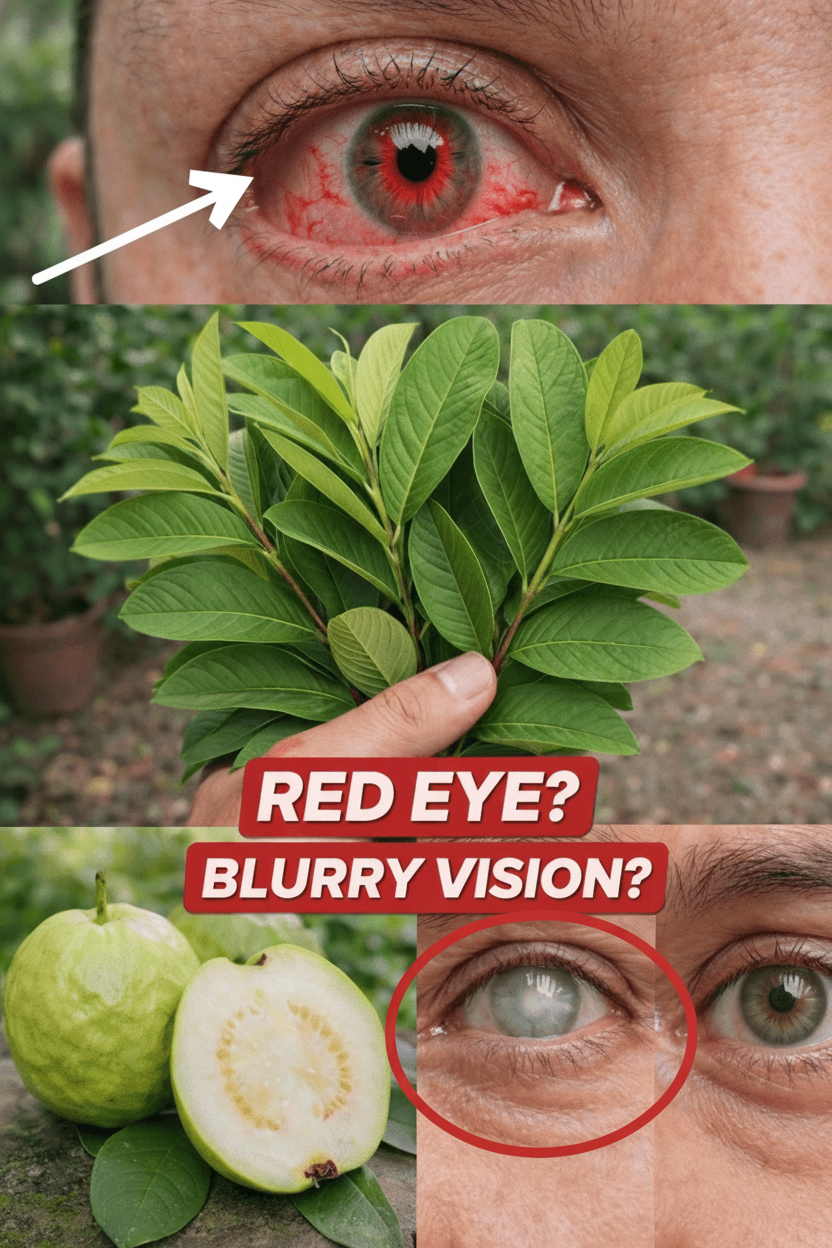
-
Incorporate Fresh Guava Fruit into Your Daily Diet
Consuming ripe guava offers a direct and delicious way to absorb its rich array of vitamins and antioxidants. Opt for fresh, organic fruit whenever possible, and ensure it is thoroughly washed before consumption. Aim to eat 1-2 fruits daily, including the skin, which provides additional fiber and nutrients. This simple habit not only supports your overall nutritional intake but also supplies essential eye-supporting antioxidants.
-
Sip Guava Leaf Tea for Gentle Support
Many individuals turn to guava leaf tea as a comforting and soothing beverage. Follow these steps to prepare it:
- Select 4-5 fresh, young guava leaves, ensuring they are free from pesticide treatment.
- Rinse the leaves thoroughly under running water.
- Bring 2 cups of water to a boil, then add the cleaned leaves and allow them to simmer for 5-10 minutes.
- Strain the liquid and let it cool to a comfortable drinking temperature.
- Drink 1 cup daily, preferably unsweetened.
Some traditional practices suggest that this tea contributes to general wellness, potentially alleviating symptoms like dryness. The presence of antioxidants in the tea may also play a role in enhancing overall eye comfort.
-
Apply a Warm Guava Leaf Compress (A Time-Honored Traditional Approach)
This method is a well-known folk remedy for soothing tired or irritated eyes. Here’s a step-by-step guide:
- Wash 3-4 fresh guava leaves thoroughly.
- Boil them in water for 5-10 minutes to create a potent decoction.
- Allow the liquid to cool until it reaches a comfortably warm temperature (it should never be hot).
- Submerge a clean, soft cloth into the warm decoction.
- Gently wring out any excess liquid from the cloth.
- Place the warm, moist cloth over your closed eyes for 10-15 minutes.
- Relax and repeat this process 1-2 times daily if needed.
Limited studies, including some in vitro analyses and animal tolerance tests, have investigated guava leaf decoctions for potential topical applications, indicating they may be well-tolerated at certain concentrations. However, it is always prudent to perform a patch test on a small area of skin first, and discontinue use immediately if any irritation occurs. Furthermore, there’s an intriguing aspect to this traditional remedy that makes it particularly compelling for those exploring natural alternatives for eye comfort.