 By admin
 Bay Leaves for Skincare: Bridging Ancient Wisdom with Modern Research
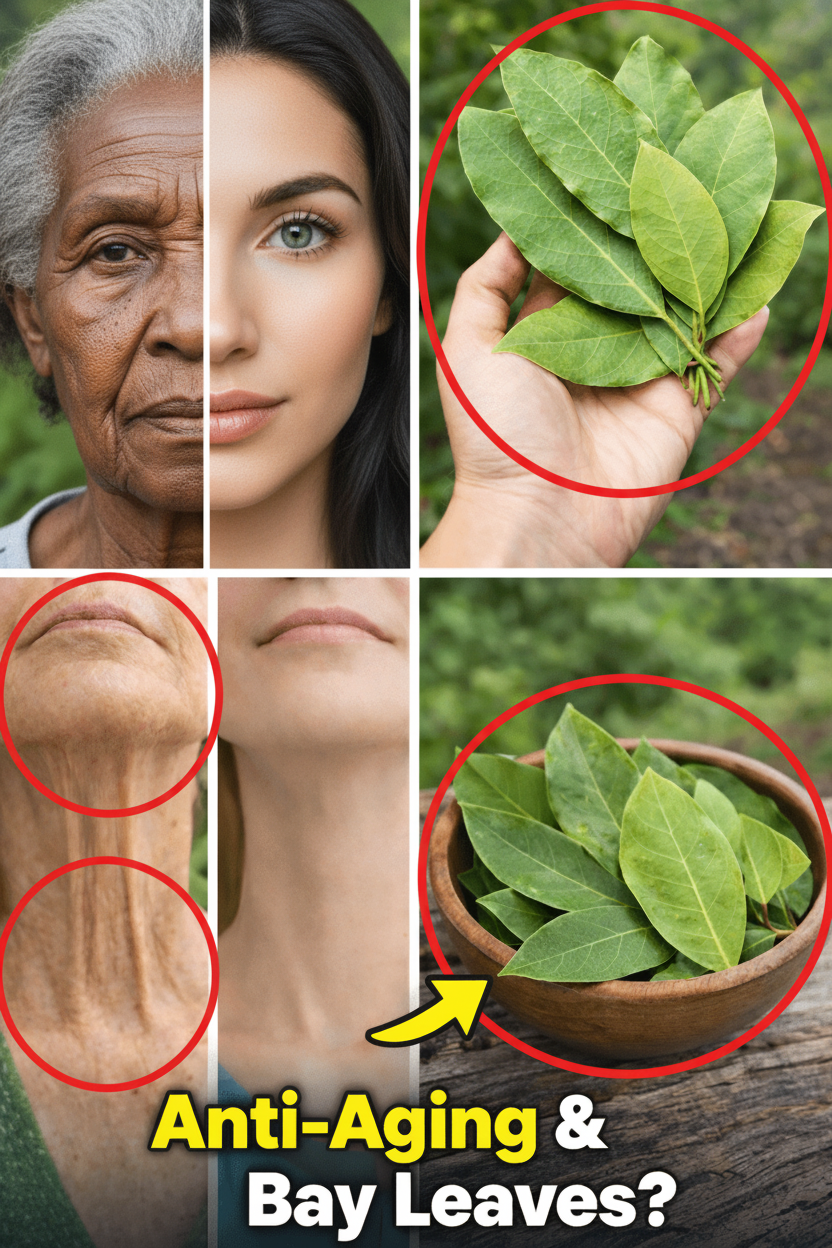
As time progresses, many individuals observe noticeable alterations in their skin, such as the appearance of fine lines, a decrease in firmness, and shifts in overall texture. These visible indicators of natural aging can often lead to frustration and impact self-confidence, motivating a quest for gentle, everyday skincare solutions that go beyond aggressive treatments. Intriguingly, bay leaves, a familiar culinary herb scientifically known as Laurus nobilis, have garnered attention thanks to their long-standing traditional applications and a growing body of research exploring their natural compounds. Could this unassuming pantry staple offer subtle support to your daily skincare regimen? Continue reading to delve deeper into the unique profile of bay leaves and explore practical ways to incorporate them into your routine from the comfort of your home.
What Makes Bay Leaves a Standout for Skin Health?
Originating from the Mediterranean region, the bay laurel tree provides these evergreen leaves, which have been revered for centuries in both culinary arts and traditional folk remedies. The leaves are rich in essential oils, phenolic compounds, flavonoids, and other vital bioactive elements, including 1,8-cineole, eugenol, and linalool. Scientific investigations, primarily in laboratory and animal studies, have highlighted their significant antioxidant and anti-inflammatory properties. Antioxidants play a crucial role in neutralizing free radicals, which are key contributors to daily skin stress caused by environmental factors. Furthermore, the anti-inflammatory effects of bay leaves may help mitigate minor skin discomfort and irritation. While human clinical trials specifically on skin benefits remain limited, preclinical evidence shows considerable promise for supporting overall skin wellness.
Antioxidant Power for Radiant Skin
Research consistently demonstrates that extracts from bay leaves exhibit robust antioxidant activity, frequently quantified through methods like DPPH radical scavenging. The phenolic compounds present in these leaves are pivotal to this protective action. Environmental aggressors like sun exposure and pollution, alongside normal metabolic processes, generate free radicals that can impact skin health over time. Antioxidants found in bay leaves may help maintain the skin’s natural balance. Some preliminary findings also suggest that, through these antioxidant mechanisms, bay leaves might indirectly support collagen-related processes, although more extensive research is required to fully understand this connection.
Calming Anti-Inflammatory Effects for Comfortable Complexions
Specific compounds within bay leaves, such as linalool and eugenol, have demonstrated compelling anti-inflammatory potential across various experimental models. Inflammation can manifest as discomfort, redness, or an uneven skin tone. Historically, bay leaf preparations have been applied topically to soothe skin rashes and minor irritations. Modern interest now focuses on how these inherent properties could effectively contribute to calming and comforting the skin’s surface.
Integrating Bay Leaves into Traditional and Modern Skin Care
In ancient folk traditions, bay leaves were commonly employed for their topical benefits, particularly for aiding wound healing and providing a soothing effect. Animal studies have indeed indicated that bay leaf extracts can accelerate healing by fostering tissue repair. Today, bay leaf essential oil or infusions are increasingly found in some cosmetic formulations, valued for their pleasant aromatic qualities and potential calming attributes. It is crucial to always dilute essential oils properly before topical application, as they can be potent and potentially irritate sensitive skin.
Safe Ways to Incorporate Bay Leaves into Your Home Routine
Here are some simple, actionable methods to explore the benefits of bay leaves from the convenience of your home:
- Bay Leaf Infused Water (for a refreshing drink or cooling compress): To prepare a gentle infusion, take 4-5 dried bay leaves and simmer them in 2 cups of water for 5-10 minutes. Strain the liquid and allow it to cool completely. You can then sip this as a mild herbal tea (in moderation) or use the cooled liquid as a refreshing facial toner or a cooling compress.
- Invigorating Bay Leaf Facial Steam: Add 3-4 bay leaves to a bowl of hot (but not boiling) water. Drape a towel over your head, creating a tent, and lean over the bowl for 5-8 minutes. Afterward, gently pat your face dry. This method helps to open pores and offers aromatic benefits.
- Custom Bay Leaf Oil Blend (for targeted application): Mix 2-3 drops of pure bay leaf essential oil with 1 tablespoon of a suitable carrier oil (such as jojoba or coconut oil). Apply this blend sparingly to clean, specific areas of the skin. Always perform an essential patch test on your inner arm for 24 hours before broader application to check for any sensitivities.
These methods draw inspiration from time-honored practices and are designed for gentle, thoughtful incorporation into your self-care regimen.
Key Bioactive Compounds in Bay Leaves: A Closer Look
- 1,8-Cineole (Eucalyptol): A predominant component in the essential oil, known for its soothing properties.
- Eugenol: Recognized for its potent antioxidant and calming characteristics.
- Linalool: Contributes significantly to the plant’s anti-inflammatory potential.
- Phenolics and Flavonoids: These compounds collectively enhance the overall antioxidant activity of bay leaves.
The concentration and balance of these beneficial elements can vary depending on the quality of the bay leaves and their preparation method.
What Does the Scientific Research Reveal?
Preclinical studies have provided evidence that bay leaf extracts support wound healing in animal models, potentially by enhancing collagen deposition. Furthermore, test-tube assays show that their antioxidant levels are comparable to those of several well-known sources. A few animal studies investigating combination formulas (for example, with tomato extract) have explored anti-aging effects, observing positive impacts on stress indicators like MDA. However, human evidence remains preliminary, with most perceived benefits linked to general wellness rather than dramatic transformations in skin appearance. Experts underscore that while promising, incorporating bay leaves should complement—not replace—established skincare practices such as diligent sun protection, adequate hydration, and a balanced nutritional intake.
Important Considerations and Safety Tips for Bay Leaf Use
While bay leaves offer potential benefits, it’s crucial to approach their use with caution and awareness. Bay leaves are generally safe for culinary use, but topical application, especially with essential oils, requires care. Always conduct a patch test before applying any bay leaf preparation to a larger area of your skin to check for allergic reactions or sensitivities. Pregnant or nursing individuals, and those with pre-existing medical conditions, should consult a healthcare professional before using bay leaf preparations, particularly essential oils or internal infusions. Bay leaf essential oil is highly concentrated and should never be ingested directly or applied undiluted to the skin. When preparing infused water for consumption, ensure it is done in moderation, as high concentrations of certain compounds might be potent. Always source high-quality, organic bay leaves to minimize exposure to pesticides or contaminants. Remember, natural remedies can be powerful, but they are intended to complement, not substitute, professional medical advice or prescribed treatments for skin conditions.