 By admin
 Our skin undergoes various changes over time, often becoming drier, less supple, and more susceptible to environmental stressors and the visible signs of aging. Consequently, a growing number of individuals are seeking gentle, effective solutions to maintain their skin’s vitality without resorting to harsh synthetic chemicals or complex regimens. This significant shift towards straightforward, plant-derived skincare has gained considerable momentum recently. Intriguingly, a modest item found in many kitchens – rice water – has emerged as a notable contender in daily skincare practices.
The Global Embrace of Natural Skincare
A discernible trend indicates an increasing preference for naturally sourced ingredients over their synthetic counterparts in personal care products. This inclination is largely driven by a heightened awareness regarding long-term skin health implications and environmental sustainability. Scientific investigations consistently highlight that natural extracts possess inherent moisturizing and calming attributes. Many plant-based compounds, for example, are rich in antioxidants, which are crucial for shielding the skin from daily environmental aggressors. This movement resonates deeply with wider wellness philosophies, as consumers seek products that provide nourishment and support rather than simply stripping or altering their skin. Furthermore, the influence of social media platforms combined with the enduring wisdom of traditional Asian beauty rituals has propelled time-honored natural ingredients into the global spotlight, significantly amplifying their widespread adoption.
Rice Water: An Ancient Elixir Reimagined
For millennia, rice water – the milky liquid obtained from soaking or rinsing rice – has been a cornerstone of beauty practices, particularly across East Asian civilizations. Its recent resurgence in popularity is attributed to its impressive nutritional composition, boasting an array of vitamins, amino acids, and powerful antioxidants. Modern scientific inquiry is increasingly exploring both regular and fermented rice water for its potent antioxidant capabilities. One notable laboratory study, for instance, observed antioxidant effects comparable to those of vitamin C, hinting at its potential to bolster the skin’s natural protective mechanisms. Beyond this, its role in promoting skin hydration is a key area of focus; rice water contains compounds that may help the skin retain essential moisture, resulting in a noticeably softer feel. Its acclaimed soothing properties are also highly valued, with preliminary research suggesting anti-inflammatory advantages that could alleviate minor daily irritations. The widespread adoption of rice water is often due to several compelling reasons:
- Its cost-effectiveness and simple home preparation make it highly accessible.
- Undergoes minimal processing, preserving its natural integrity.
- Offers remarkable versatility, applicable as a facial rinse, revitalizing toner, or an enriching mask.
Your DIY Guide to Preparing Rice Water
Crafting your own rice water at home is a remarkably simple process, requiring no specialized equipment. Follow these easy instructions to create a fundamental version:
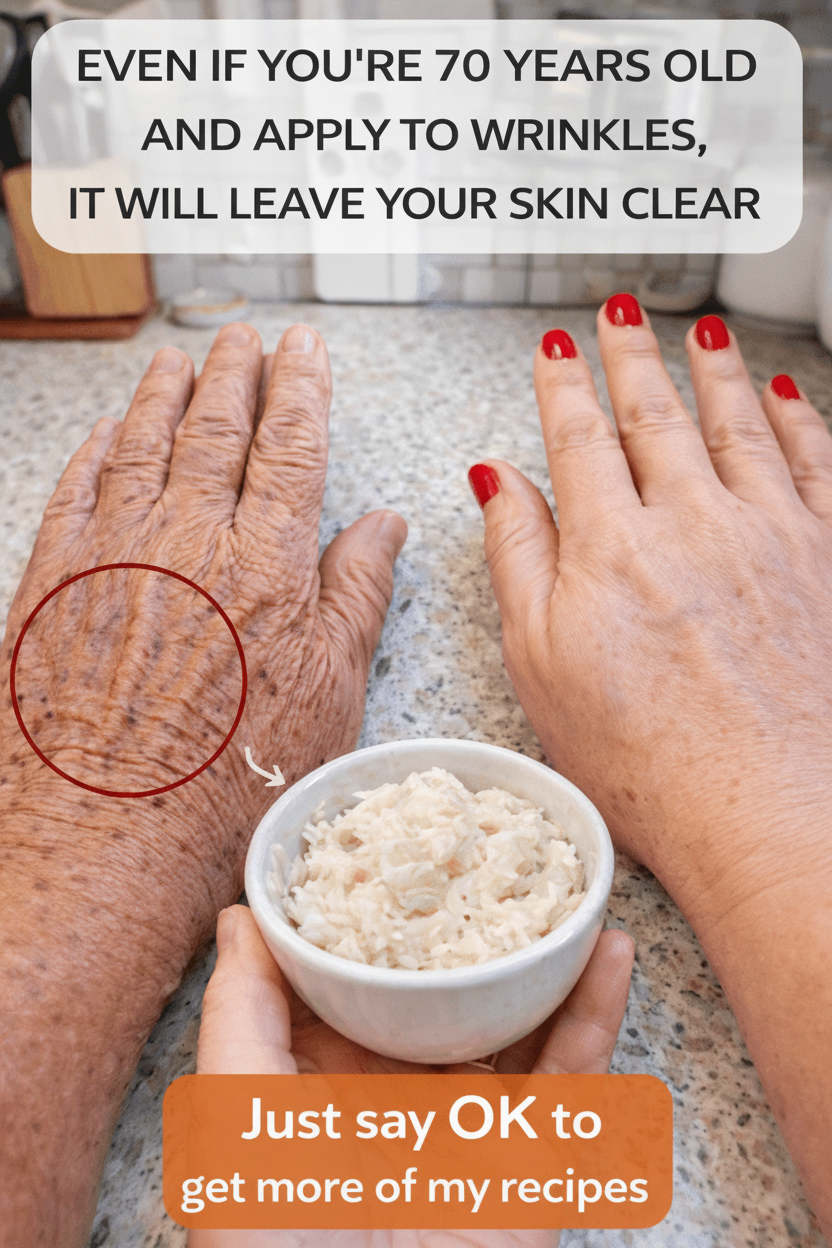
- Begin by thoroughly rinsing approximately half a cup of uncooked rice under running clean water to eliminate any impurities.
- Transfer the rinsed rice to a clean bowl and pour in two to three cups of fresh water.
- Gently stir the mixture, then allow the rice to soak for about 30 minutes. (For a more concentrated starch release, you may extend the soaking time.)
- Carefully strain the liquid into a pristine jar, separating it from the rice grains.
- To make a fermented variant, simply leave the strained liquid at room temperature for one to two days until it develops a slightly sour aroma, then store it in the refrigerator.
If you are new to using rice water, it is advisable to begin with the plain soaked version. Prior to full application, always perform a patch test on a small, inconspicuous area of your skin, such as your inner arm, to check for any sensitivities.
Unlocking Rice Water’s Potential: Key Benefits
While comprehensive, large-scale human clinical trials are still ongoing, preliminary scientific investigations have unveiled several compelling and promising benefits:
- Antioxidant Defense: Laboratory studies suggest that compounds within rice water actively neutralize free radicals, which are known contributors to premature aging and skin damage.
- Enhanced Hydration: Components such as inositol found in rice water are believed to significantly bolster the skin’s natural moisture barrier, leading to improved hydration and suppleness.
- Calming Sensation: Specific extracts derived from rice water have demonstrated remarkable calming effects on models of irritated skin, offering relief from minor discomfort.
A focused small-scale study, where a rice water-based gel was applied over several weeks, reported noticeable improvements in both the tactile feel and visual appearance of the skin. It’s also worth noting that fermented rice water typically boasts a higher concentration of beneficial acids, potentially amplifying these positive effects.
Rice Water vs. Other Nature-Derived Alternatives
To provide a clearer perspective, here’s a brief comparison of rice water with some other widely favored natural skincare ingredients:
- Rice Water: Prized for its hydrating properties and potential for gentle skin brightening; incredibly simple to prepare at home.
- Aloe Vera: Renowned for its exceptional ability to soothe irritated skin, sunburns, and reduce redness, while providing intense hydration.
- Green Tea: Features a robust antioxidant composition, making it highly effective in combating inflammation and environmental damage.
- Honey: A natural humectant that actively draws moisture into the skin, coupled with beneficial antibacterial characteristics.
<p