 By admin
 Unraveling the Mystery: What Causes Small White Spots on Your Arms and Legs?
Have you ever noticed tiny, pale spots emerging on your arms or legs, particularly as you age? These small white patches, often more visible on sun-kissed or darker complexions, frequently spark curiosity about their significance for skin health. While usually benign, their sudden appearance can be perplexing. The good news is that these common skin changes are often tied to years of cumulative sun exposure and the natural aging process. By understanding the underlying causes, you can gain clarity and adopt practical strategies to maintain vibrant, healthy-looking skin. In the following sections, we’ll delve into what these spots are and outline actionable steps you can take to protect your skin and potentially reduce the formation of new ones.
Demystifying Those Tiny White Patches: What Are They?
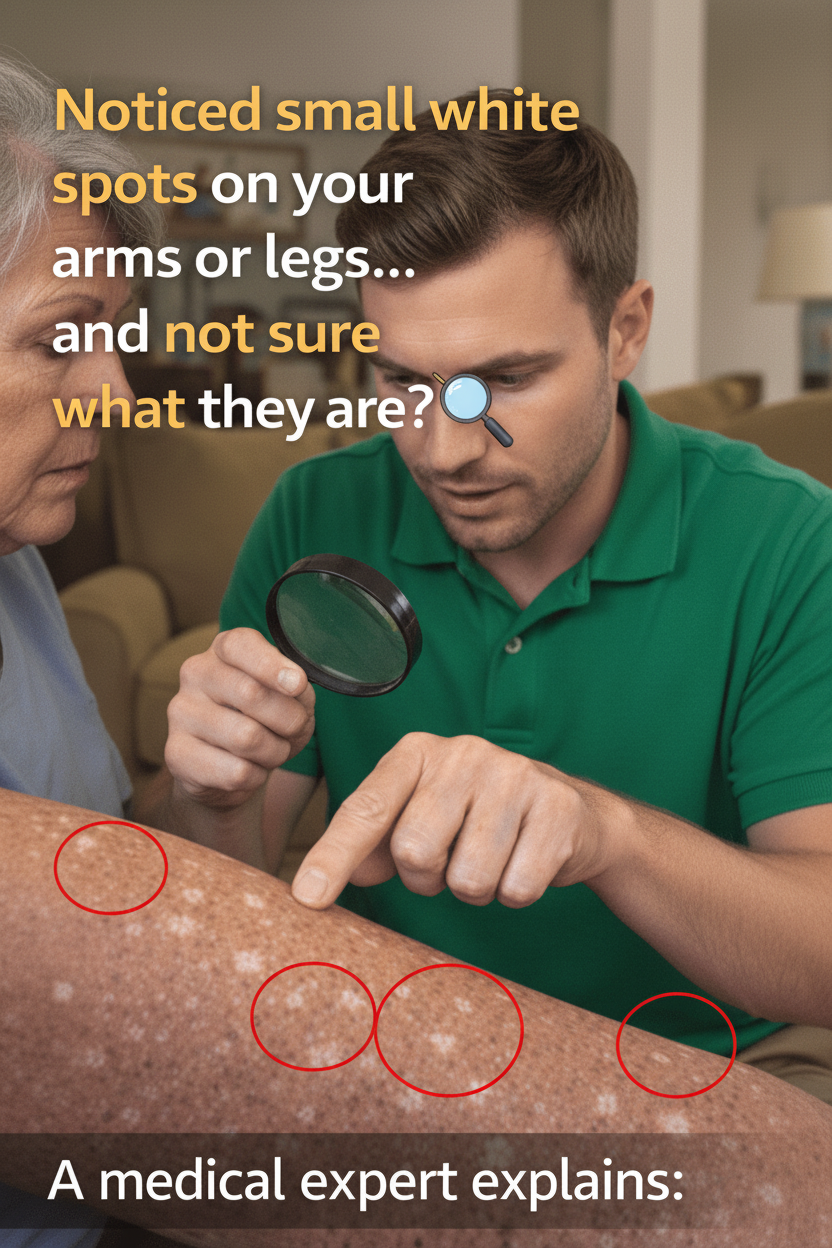
Medically known as idiopathic guttate hypomelanosis (IGH), these distinctive small white spots manifest as flat, round, or oval-shaped pale areas, typically measuring between 2 to 5 millimeters. You’ll most commonly find them on sun-exposed regions such as the forearms and shins. Crucially, unlike allergic reactions or inflammatory rashes, IGH spots are smooth, non-itchy, and generally cause no physical discomfort. Leading dermatological resources, including insights from Cleveland Clinic and DermNet, indicate that these spots arise from a localized decrease in melanin production. Melanin is the vital pigment that gives our skin its color, and its reduction leads to lighter patches that don’t tan uniformly with the surrounding skin. This benign skin condition is widely observed in adults over 40, particularly those with lighter skin tones, though it can affect individuals of any complexion with a history of significant sun exposure. While the precise cause is often termed “idiopathic” (unknown), dermatologists widely agree that cumulative ultraviolet (UV) radiation exposure and the natural aging of skin cells are primary contributing factors.
Key Factors Driving the Formation of White Spots
The genesis of these small white spots is predominantly linked to several interconnected factors. Foremost among them is chronic sun exposure. Decades of repeated exposure to ultraviolet (UV) rays can impair melanocytes—the specialized cells responsible for producing melanin. This damage disrupts the even distribution of skin pigment, resulting in areas of hypopigmentation. Additionally, the natural aging process contributes significantly; as we get older, the quantity and efficiency of these pigment-producing cells naturally decline, making such skin changes more apparent, especially post-middle age. Genetic predisposition can also play a role, with some individuals noticing a familial pattern in the development of these spots. While less common, minor skin trauma from activities like vigorous scrubbing or daily friction is occasionally cited in dermatological literature as a potential secondary factor, though sun damage consistently remains the primary culprit. Here’s a concise summary of the main contributors:
- Extensive or unprotected time spent in direct sunlight
- Naturally fair skin tones prone to sunburn
- The natural progression of aging, typically after the age of 40
- A potential inherited tendency within certain families
Understanding these elements clarifies why these white spots can gradually appear and increase in number without a single, recent triggering event.
Distinguishing Benign White Spots from Other Skin Conditions
It’s perfectly understandable to be concerned if you observe new skin changes, and to question whether white spots might indicate a more serious underlying issue. However, idiopathic guttate hypomelanosis (IGH) spots possess distinct characteristics: they are generally small, numerous, and tend to maintain a consistent size without rapid or aggressive spread. This distinguishes them from other conditions such as vitiligo, which is characterized by larger, often irregularly shaped patches that can expand significantly. Similarly, IGH is different from tinea versicolor, a fungal infection that frequently presents with varying shades of discoloration and may involve mild scaling. Pityriasis alba, another condition causing white patches, is more prevalent in children and typically features slightly scaly areas that eventually resolve on their own. If your white spots are flat, cause no symptoms (asymptomatic), and are confined to areas of your limbs regularly exposed to the sun, without accompanying itching or sudden changes, they likely fit the benign profile of IGH. Nevertheless, it is always prudent to observe any changes in your skin and consult a dermatologist if you have any concerns.
Proactive Steps for Healthier Skin and Minimizing New Spots
While established idiopathic guttate hypomelanosis spots typically do not disappear completely, adopting a proactive approach to skin care can significantly help prevent the formation of new ones. Based on expert dermatological advice, here are practical strategies you can implement daily:
- Consistent Sunscreen Application: Apply a broad-spectrum sunscreen with an SPF of 30 or higher every single day. This includes overcast days and even when you’re indoors but near windows. Reapply diligently every two hours, or more frequently if swimming or sweating.
- Protective Clothing: During periods of peak sun intensity (generally 10 a.m. to 4 p.m.), opt for lightweight, long-sleeved shirts and pants to create a physical barrier against UV rays.
- Seek Shade: Make it a habit to utilize natural shade whenever you are outdoors for extended periods, such as under trees, umbrellas, or awnings.
- Antioxidant Skincare: Integrate skincare products rich in antioxidants, like Vitamin C or Niacinamide, into your routine. These ingredients can bolster overall skin resilience and combat environmental damage, although they are not designed to reverse existing white spots.
- Hydration and Gentle Exfoliation: Maintain good skin hydration through adequate water intake and use gentle exfoliation methods to keep your skin smooth. Avoid abrasive scrubs that could cause irritation or minor trauma.
In conclusion, while small white spots like IGH are a common and harmless part of skin aging and sun exposure, understanding their nature empowers you to take control. Prioritizing consistent sun protection and a comprehensive skincare regimen are your most effective tools for maintaining healthy-looking skin and minimizing the emergence of new spots. If you ever have persistent concerns about any skin changes, consulting a dermatologist is always recommended for personalized advice.