 By admin
 8 Subtle Signs Your Body Might Be Running Low on Vitamin B12
Do you often feel perpetually exhausted, even after a full night’s rest? Or perhaps you’ve noticed strange tingling sensations in your hands and feet that just won’t go away? These minor changes can emerge gradually, making everyday tasks feel unexpectedly challenging. Many individuals tend to dismiss these indicators, attributing them to unrelated causes. However, reputable health organizations like the Cleveland Clinic and the NHS reveal that insufficient vitamin B12 levels can impact your energy, nervous system, skin health, and mood in surprisingly diverse ways. The good news is that early recognition can empower you to take simple steps towards reclaiming your vitality. Keep reading, as we’ll soon share practical strategies to boost your B12 intake starting today.
Why Vitamin B12 is Essential for Your Energy and Overall Well-being
Vitamin B12 plays a critical role in several vital bodily functions, including the production of healthy red blood cells and the optimal functioning of your nervous system. Research highlights its importance in facilitating oxygen transport throughout the body and protecting nerve fibers. This explains why a vitamin B12 deficiency often manifests in seemingly unrelated areas. Without adequate B12, your body may struggle to maintain its normal functions over time. The challenge is that these symptoms don’t always immediately signal a deficiency; they can often be mistaken for typical aging processes or everyday stress. But there’s more to it than just the common complaints. Some indicators are far more peculiar and easily overlooked.
- Persistent Fatigue and Lingering Weakness
- Tingling or Numbness in Hands and Feet
- Mood Swings or Mental Fogginess
- Pale or Subtle Yellowish Skin Tone
- Sore Mouth, Glossitis, or Oral Ulcers
- Shortness of Breath or Heart Palpitations
- Balance Issues or Unsteady Gait
- Unusual Hair or Skin Alterations
One of the most frequently reported symptoms of low vitamin B12 is a pervasive sense of tiredness, even when you consistently get enough sleep. You might wake up feeling drained or experience weakness during simple activities like ascending stairs. Health experts at the Mayo Clinic explain that this occurs because a B12 shortage can diminish the production of healthy red blood cells, thereby limiting the oxygen supply to your muscles and brain. If this resonates with you, rest assured you’re not alone; many describe it as a persistent mental fog that refuses to lift.
Have you ever experienced that peculiar ‘pins and needles’ sensation in your extremities? This unusual feeling, medically termed paresthesia, is a common neurological symptom associated with a vitamin B12 deficit. Esteemed sources like Harvard Health emphasize that B12 is crucial for maintaining the myelin sheath, the protective covering around nerves. When B12 levels decline, nerves can begin to send erratic signals. What’s particularly odd is that it often begins subtly in the toes or fingers and can progressively worsen if left unaddressed.
Are you finding yourself unusually irritable, feeling down, or struggling with mental clarity? Low B12 levels have been linked to mood fluctuations and difficulties with concentration in various studies. WebMD points out how a deficiency can contribute to confusion or memory lapses, sometimes mimicking the effects of ordinary stress. Interestingly, some individuals report significantly clearer thinking and improved mood after optimizing their B12 intake.
Your skin might appear noticeably paler than usual, or in some instances, even develop a faint yellowish tint. This phenomenon is directly connected to how B12 deficiency impairs red blood cell production, as insights from the Cleveland Clinic confirm. While not always dramatic, friends or family members might comment on your complexion looking ‘off.’ However, there are also other less obvious skin and mouth changes to consider.
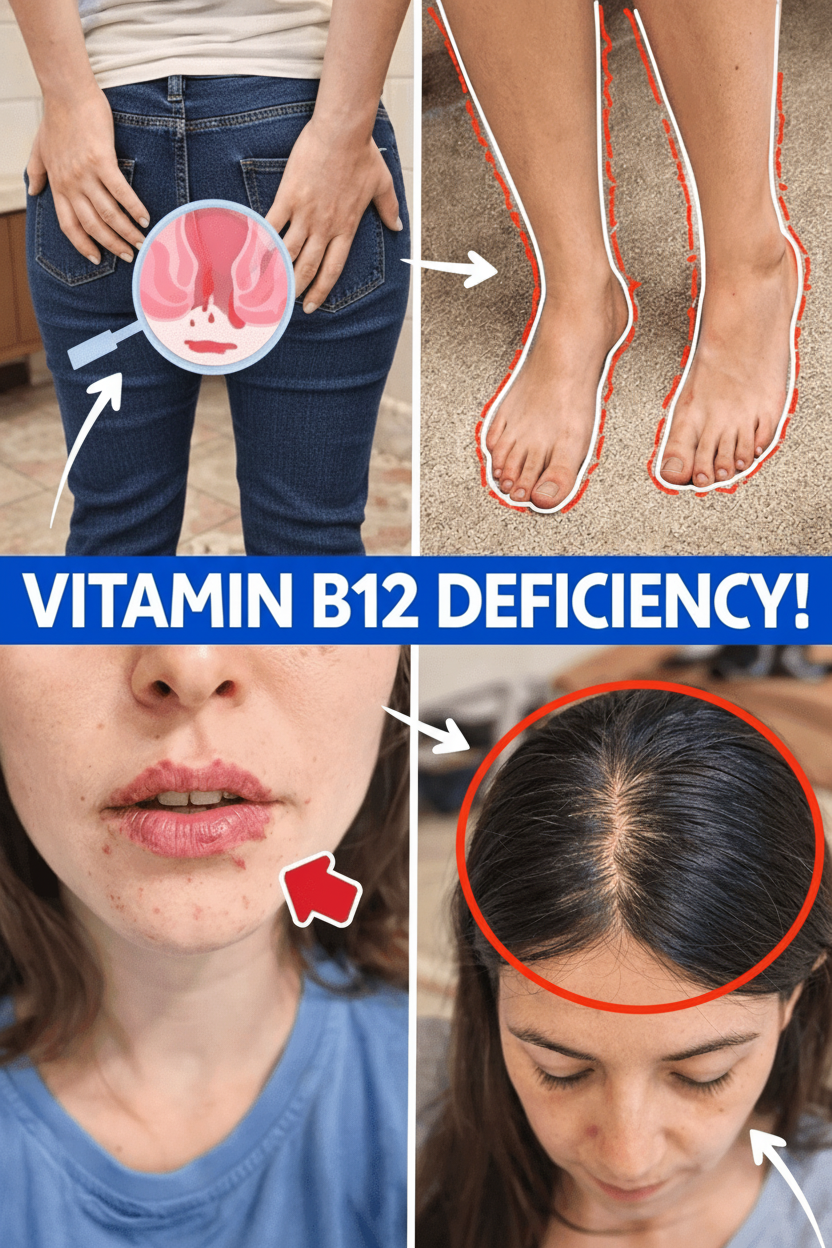
A smooth, reddish, or tender tongue (a condition known as glossitis), along with occasional mouth discomfort, stands out as a distinctive indicator. NHS resources frequently list this as a common oral symptom. Your tongue might feel sensitive or appear unusually smooth, making the consumption of certain foods uncomfortable. This particular sign often takes people by surprise because it initially seems disconnected from overall health.
Are you experiencing breathlessness during light physical activity or noticing your heart racing unexpectedly? These symptoms can arise from a diminished oxygen-carrying capacity when red blood cells are compromised due to B12 deficiency. Healthline and similar medical platforms note that heart palpitations can be part of the clinical picture in some cases. While unsettling, many individuals find considerable relief by focusing on targeted nutrient support.
Some individuals report noticeable unsteadiness or difficulties with coordination, particularly affecting the legs. This neurological impact, sometimes referred to as ataxia, is documented in reports from trusted medical sources. It can create a sensation of being off-balance, as if the ground beneath you is subtly shifting. The crucial point is that these changes tend to develop gradually over time.
Premature graying or thinning hair has been observed in some cases of B12 deficiency, alongside dry, cracked skin, especially on areas like the heels or elbows. While not the most prevalent symptoms, certain observations link B12 to overall cellular health, which can significantly influence appearance. These subtle yet impactful shifts can accumulate and affect how you perceive yourself.
Here are a few straightforward ways to support your B12 levels naturally: Incorporate animal products such as meat, fish, eggs, and dairy into your diet regularly if they align with your dietary choices. Fortified foods like cereals or plant-based milks can also be beneficial for those who avoid animal products.