 By admin
 Many individuals today seek natural and effective ways to maintain optimal blood pressure as an integral part of their daily health regimen. Factors such as chronic stress, dietary choices, and the natural aging process can present hurdles in keeping these levels within a healthy range, often leading to concerns about long-term cardiovascular health and overall vitality. The encouraging news is that incorporating simple, nutrient-dense foods, supported by a growing body of scientific evidence, can play a significant role in a comprehensive wellness strategy.
In this article, we delve into one such powerful, plant-based option that has garnered considerable attention in clinical studies for its remarkable potential benefits. But here’s the truly compelling aspect: what if a vibrant, everyday root vegetable could significantly contribute to enhanced circulation and robust vascular function through its unique natural compounds? Continue reading to uncover the scientific insights and a practical, delicious method to integrate this powerhouse into your routine.
Why Beetroot is a Standout for Heart Health
Beetroot, commonly known as beets, is a deeply colored root vegetable celebrated for its rich profile of essential nutrients. It is particularly renowned for its exceptionally high concentration of dietary nitrates. These beneficial compounds occur naturally in many vegetables, but beetroot stands out as one of the most abundant sources available.
Extensive research, including numerous meta-analyses of clinical trials, has meticulously investigated how dietary nitrates, especially those derived from sources like beetroot juice, can positively influence blood pressure. For instance, studies have consistently demonstrated that regular consumption can effectively support healthy systolic blood pressure levels across diverse populations, including those with pre-existing elevated readings. The core mechanism involves the body’s efficient conversion of these nitrates into nitric oxide – a crucial signaling molecule that aids in relaxing blood vessels and promoting smoother, more efficient blood flow. While beetroot juice is not a standalone medical treatment, integrating nitrate-rich foods aligns perfectly with established heart-healthy eating patterns, such as the DASH diet, which champions a diet rich in vegetables, fruits, and low-sodium options.
Key Nutrients in Beetroot and Their Synergistic Effects
Beetroot offers far more than just nitrates; it’s a treasure trove of vital nutrients that collectively support overall health. It contains powerful antioxidants like betalains, along with essential minerals such as potassium, folate, and dietary fiber.
- Nitrates: These organic compounds are converted into nitric oxide, which is vital for vasodilation and maintaining healthy blood flow.
- Potassium: A critical electrolyte that helps regulate fluid balance within the body and plays a direct role in supporting healthy blood pressure levels by counteracting the effects of sodium.
- Antioxidants (Betalains): These vibrant pigments found in beets help combat oxidative stress and inflammation, both of which are closely linked to long-term vascular health and cellular integrity.
- Folate (Vitamin B9): Essential for cell growth and function, folate supports cardiovascular health by helping to manage homocysteine levels.
- Fiber: Contributes to digestive health and can indirectly support heart health by aiding in cholesterol management.
What Scientific Research Reveals About Beetroot Juice and Blood Pressure Management
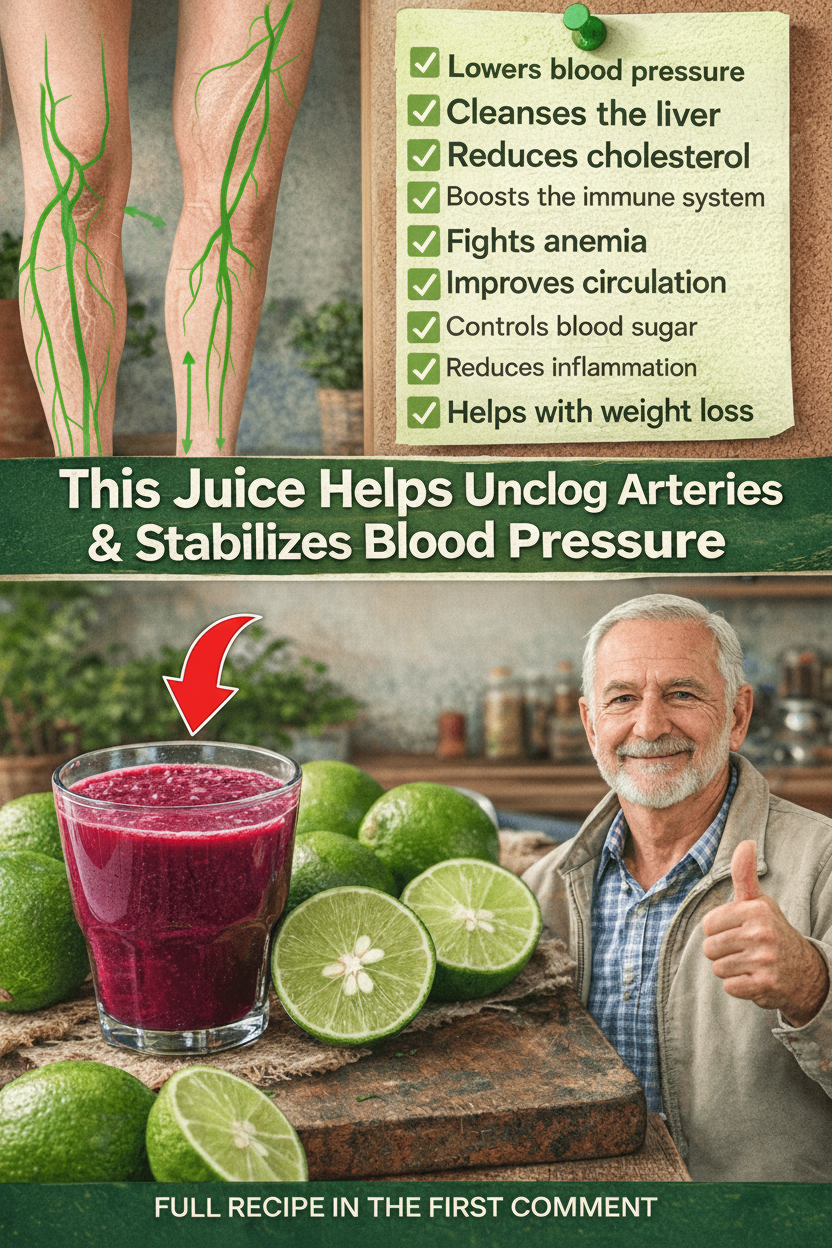
The efficacy of beetroot juice in supporting blood pressure has been rigorously examined through numerous randomized controlled trials and comprehensive meta-analyses. One significant review concluded that the consistent daily intake of nitrate-rich beetroot juice was associated with notable reductions in systolic blood pressure. These beneficial effects were observed in both short-term interventions and sustained over longer periods, extending up to several weeks.
Another in-depth analysis underscored the consistent findings across various studies, where participants who consumed beetroot juice demonstrated significant improvements in key blood pressure markers compared to placebo groups. These positive outcomes are primarily attributed to the vegetable’s high nitrate content, though other bioactive compounds present in beetroot likely contribute to its overall health benefits. It is important to note that individual responses can vary based on factors such as baseline blood pressure levels, the specific dosage consumed, and the duration of intake. Most studies utilize amounts equivalent to 200-500ml of juice daily, providing between 200-800mg of nitrates. While these findings are highly promising, health experts consistently emphasize that beetroot juice functions optimally as part of a holistic, balanced lifestyle that includes regular physical activity, effective stress management, and a nutrient-dense diet.
How to Craft a Simple and Delicious Beetroot Juice Blend at Home
Ready to experience the benefits firsthand? This straightforward recipe utilizes fresh, wholesome ingredients to create a wonderfully refreshing and nutrient-packed drink. It yields approximately 1-2 servings and requires minimal preparation time.
Ingredients:
- 2 medium beets (thoroughly washed, peeled, and chopped)
- 2-3 carrots (washed and chopped)
- 1-2 limes (freshly juiced)
- Optional: A small piece of fresh ginger for an invigorating zing, or a splash of water to achieve desired consistency. Carrots add a touch of natural sweetness and beta-carotene, while lime provides a refreshing tang and a boost of Vitamin C, enhancing flavor without added sugars.
Step-by-Step Guide:
- Begin by washing all produce meticulously.
- Chop the peeled beets and carrots into pieces that are suitable for your juicer or blender.
- Process the beets and carrots first using your juicer. (If using a blender, blend with a little water and then strain through a fine-mesh sieve or nut milk bag for a smoother juice.)
- Stir in the fresh lime juice to taste; it adds a bright, zesty note and additional vitamin C.
- Mix thoroughly and savor your fresh juice immediately.
Tip: Start with a modest glass (around 8 oz or 240ml) daily. Any leftover juice can be stored in an airtight container in the refrigerator for up to 24 hours, though consuming it fresh maximizes its nutritional potency. This combination offers an earthy yet delightfully tangy flavor profile, making it a much more enjoyable experience than plain beetroot juice.