 By admin
 Many individuals grapple with common skin concerns like prominent pores and persistent blackheads, particularly across the nose, chin, and forehead. These issues frequently stem from a combination of factors, including excessive oil production, the accumulation of dead skin cells, and daily environmental exposure, all contributing to an uneven and less refined complexion. It can be disheartening when your dedicated skincare regimen seems effective everywhere except these notoriously stubborn areas.
Fortunately, your kitchen might hold some surprisingly simple, natural ingredients that could offer a gentle approach to improving skin appearance. Among these, the humble egg has gained significant popularity in the realm of DIY skincare. The intriguing question arises: can the strategic application of an egg white mask genuinely make a visible difference in achieving cleaner, more refined-looking pores? Join us as we delve into the science and anecdotal evidence surrounding this popular home remedy. By the end, we’ll provide a clear, step-by-step guide for safely trying an egg white mask at home, alongside insights into what truly fosters long-term skin health and comfort.
Understanding Enlarged Pores and Blackheads: What Makes Them Visible?
Pores serve a vital function as minute openings in our skin, responsible for releasing sebum (natural skin oil) and sweat, crucial for maintaining skin balance and hydration. However, when excess sebum combines with dead skin cells and is exposed to the air, it undergoes oxidation, resulting in the characteristic dark appearance of blackheads. Enlarged pores are frequently more discernible on individuals with oily or combination skin, particularly within the T-zone area (forehead, nose, and chin).
Scientific understanding indicates that the visibility of pores is significantly influenced by a blend of factors, including genetic predisposition, hormonal fluctuations, and individual skincare practices. It’s important to recognize that while no topical ingredient can permanently alter the inherent size of pores – which is largely dictated by our skin’s underlying structure – certain ingredients possessing astringent or absorbent qualities can effectively contribute to a temporary reduction in their apparent size, fostering a smoother, more refined complexion.
The Allure of Egg Whites for Skin: Potential Benefits and Expert Insights
Composed primarily of protein (specifically albumin) and water, egg whites also contain a natural enzyme called lysozyme. This enzyme has garnered scientific interest in laboratory studies for its antibacterial properties against specific bacteria associated with various skin conditions. Furthermore, investigations into egg white hydrolysate (peptides derived from broken-down egg white proteins) have revealed potential antimicrobial and anti-inflammatory effects in controlled experimental environments, though it’s crucial to distinguish these findings from the effects of general topical application.
In the realm of traditional home remedies, many users observe a noticeable tightening sensation as egg whites dry on the skin. This effect is believed to temporarily constrict pores, making them appear smaller, and may also assist in lifting away surface impurities and excess sebum. However, dermatologists typically characterize this as a superficial and short-lived astringent action, rather than a profound or lasting solution for pore size reduction. Despite the limited scientific studies and largely anecdotal evidence supporting at-home use, the popularity of egg white masks endures, primarily due to their affordability and widespread accessibility.
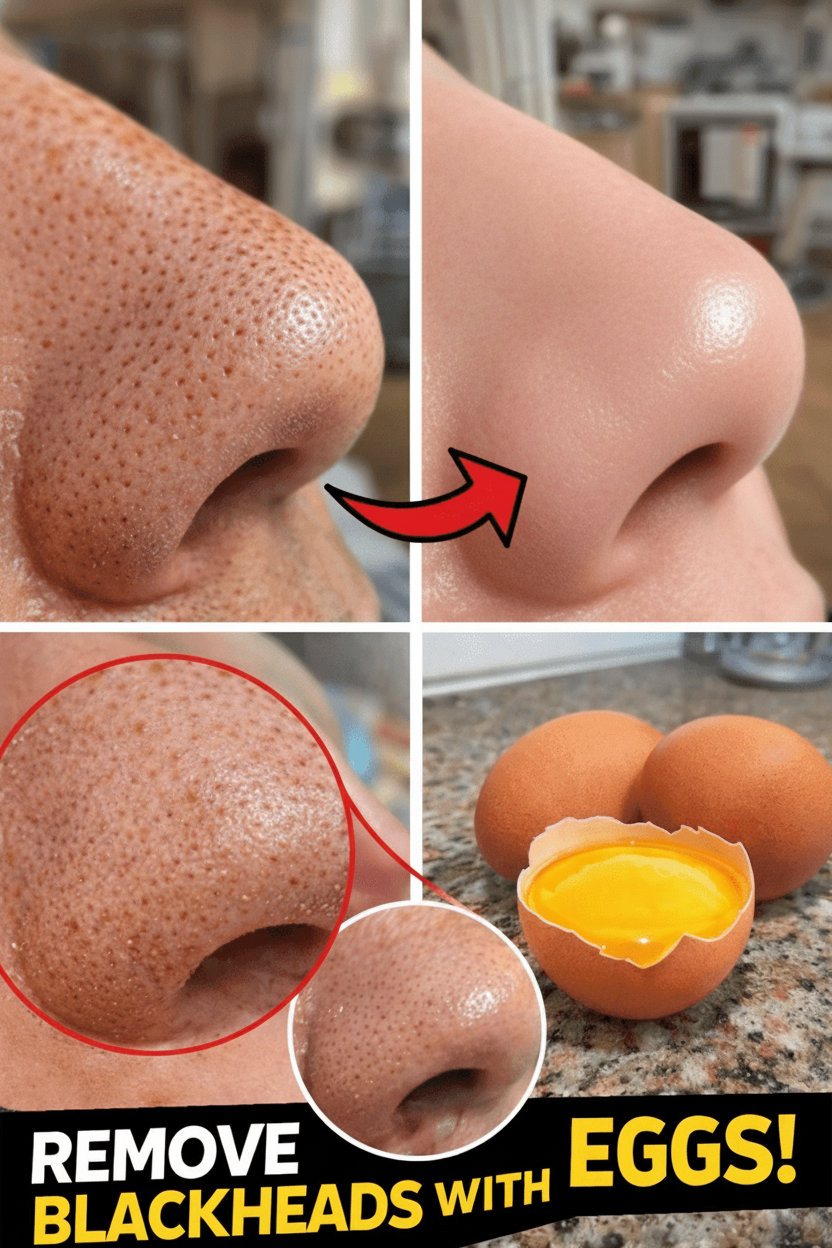
It’s important to approach this with a balanced perspective. While some individuals report a smoother skin texture after using egg white masks, leading health authorities like Healthline and numerous board-certified dermatologists consistently underscore that any perceived benefits are generally superficial and transient. Moreover, applying raw eggs carries inherent risks, including the potential for skin irritation or exposure to bacteria like Salmonella. Therefore, exercising caution and performing a patch test are paramount before widespread application.
Egg Whites vs. Other Popular DIY Skincare Ingredients: A Comparative Look
For those exploring natural remedies for skin concerns, it’s insightful to compare egg whites with other readily available kitchen staples. Here’s a brief overview of their respective attributes for pore-focused skincare:
-
Egg Whites:
- Potential Benefits: Offer temporary skin tightening and may help absorb excess surface oil.
- Dry Texture: Forms a firm, often peelable film on the skin.
- Ideal For: Rapid masking applications, especially on areas prone to oiliness.
- Considerations: Can leave a sticky residue and deliver only fleeting results.
-
Honey:
- Potential Benefits: Acts as a natural humectant (drawing moisture to the skin) and possesses mild antibacterial properties.
- Texture: Viscous yet inherently hydrating.
- Ideal For: Calming irritated skin while simultaneously providing hydration.
-
Oatmeal:
- Potential Benefits: Provides gentle exfoliation and has soothing effects for sensitive or inflamed skin.
- Texture: Becomes grainy when combined with liquid.
- Ideal For: Achieving a mild scrub without harsh abrasives.
While many choose to blend various ingredients to enhance their skincare outcomes, beginning with single components allows you to better understand your skin’s unique responses and preferences.
DIY Egg White Mask: A Step-by-Step Guide for Home Application
Should you decide to explore this popular at-home remedy, here’s a simple and safe method for preparing and applying an egg white mask. Remember, always begin with a patch test on a small, inconspicuous area of your skin (such as your inner arm) at least 24 hours prior to full application, to check for any adverse reactions.
- Assemble Your Materials: You will need one fresh egg, a small mixing bowl, and optionally, clean facial tissue or toilet paper for an enhanced lifting effect.
- Isolate the Egg White: Carefully crack the egg and gently separate the white from the yolk, allowing only the white to collect in your bowl. Reserve the yolk for culinary purposes or other uses.
- Lightly Whisk: Using a fork or a small whisk, beat the egg white until it becomes slightly frothy. Avoid whipping it to stiff peaks; a light froth ensures easier and more uniform application.
- Prepare Your Skin: Ensure your face is thoroughly cleansed and completely dry before proceeding.
- Apply the Mask: Using clean fingertips or a soft brush, spread a thin, even layer of the frothed egg white over the areas you wish to treat, focusing on zones with visible pores or blackheads. If using tissue, gently press thin strips of tissue onto the first layer of egg white, then apply another thin layer of egg white over the tissue.
- Allow to Dry: Let the mask dry completely, which typically takes 15-20 minutes. You will feel a tightening sensation as it dries.
- Rinse Thoroughly: Once fully dry, gently peel off any tissue layers (if used), then rinse your face thoroughly with lukewarm water. Ensure all traces of the egg white are removed.
- Moisturize: Follow up with your regular toner and a gentle moisturizer to hydrate and soothe your skin.
This method aims to leverage the temporary tightening properties of egg whites for a refreshed skin appearance.