 By admin
 The Puzzling Odor of Tonsil Stones: Unraveling the Mystery Behind Bad Breath
Have you ever noticed tiny, off-white or yellowish deposits at the back of your throat? These common formations, known as tonsil stones or tonsilloliths, can be more than just a minor annoyance. For many, their most distressing characteristic is the notoriously strong, unpleasant odor they emit, leading to persistent bad breath (halitosis) that even rigorous oral hygiene struggles to combat. This often leaves individuals feeling self-conscious and frustrated, questioning how such small entities can create such a significant problem.
The good news is that understanding the science behind these malodorous culprits can pave the way for effective management. What if you could uncover the precise reason for their foul smell and learn practical, everyday strategies to minimize their occurrence and keep your breath consistently fresh? Keep reading as we delve into the world of tonsil stones, exploring their formation and offering actionable advice.
What Exactly Are Tonsil Stones (Tonsilloliths)?
Tonsil stones, medically referred to as tonsilloliths, are small, calcified formations that develop within the deep folds and pockets of your tonsils—the two lymphatic tissue pads situated at the rear of your throat. These structures play a crucial role in your immune system, helping to filter out germs. However, their intricate surface can inadvertently trap various debris, including microscopic food particles, dead skin cells, mucus, and bacteria.
Over time, this trapped material compacts and hardens, often acquiring a distinctive white or yellowish hue due to the accumulation of calcium and other minerals. While they are often compared to stones, tonsilloliths are more accurately described as solidified masses of organic matter rather than true mineral deposits found elsewhere in the body. Although common and generally benign, their size can range from minuscule specks to noticeable pea-sized lumps. It’s important to note that not everyone with tonsil stones experiences symptoms; some individuals may carry them without even realizing their presence.
The Unpleasant Truth: Why Tonsil Stones Cause Such Foul Odor
The most notorious characteristic of tonsil stones is undoubtedly their potent and offensive smell. This pervasive malodor is not merely an inconvenience; it’s a direct result of the microbial activity thriving within these calcified deposits. Inside the tonsilloliths, anaerobic bacteria—microorganisms that flourish in low-oxygen environments—actively break down the trapped organic matter, such as food particles, dead cells, and mucus.
During this decomposition process, these bacteria release a group of pungent gases known as Volatile Sulfur Compounds (VSCs). These are the very same compounds responsible for the distinctive “rotten egg,” sulfuric, or cheesy smell commonly associated with severe bad breath (halitosis). Even tiny tonsil stones can harbor enough bacterial activity to produce a significant amount of VSCs, leading to persistent and noticeable oral malodor that often resists conventional brushing and mouthwash. The tonsil crypts provide an ideal, sheltered, and oxygen-deprived sanctuary for these odor-producing bacteria, making the smell originate deep within the throat and linger stubbornly.
Identifying Tonsil Stones: Common Symptoms and Indicators
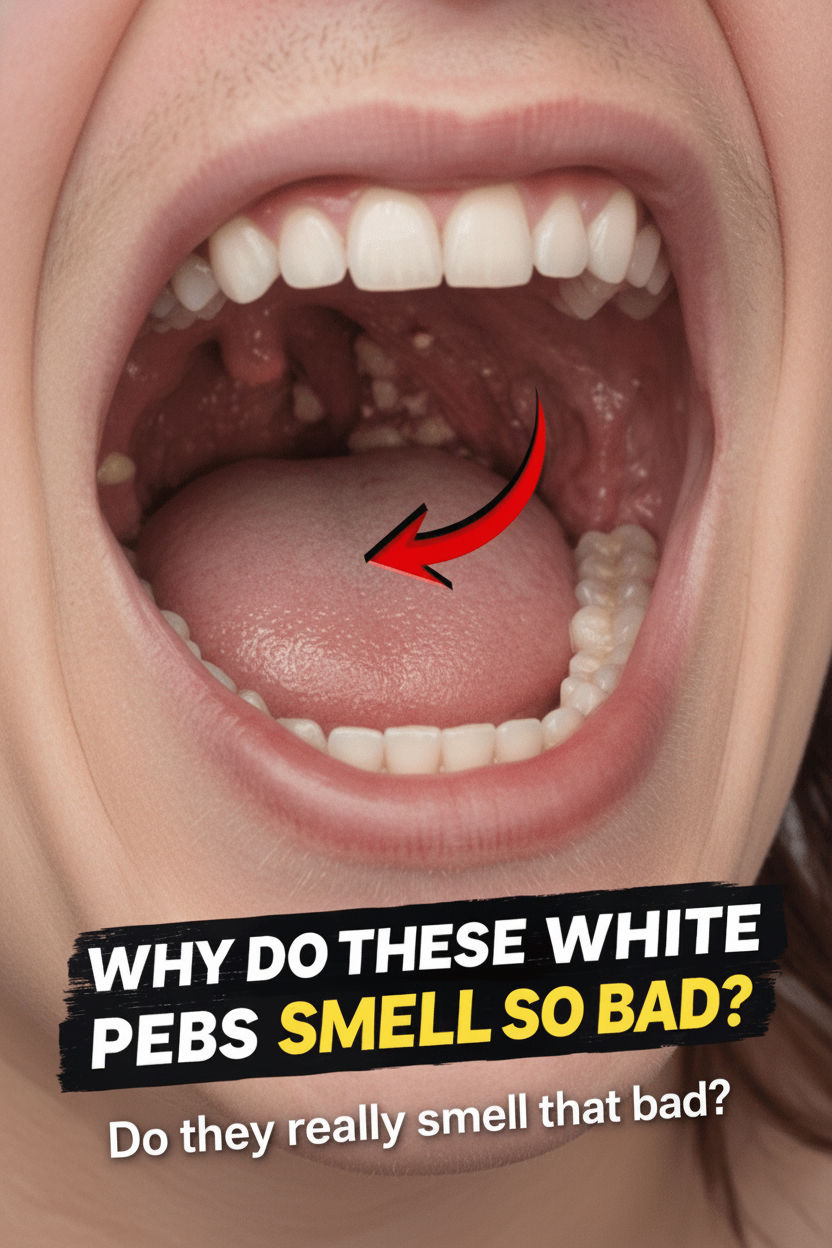
Recognizing the presence of tonsil stones early can be beneficial for managing them effectively. While some individuals remain asymptomatic, many experience one or more tell-tale signs. Be aware of these common indicators:
- Persistent Halitosis: A strong, chronic bad breath that seems immune to regular brushing, flossing, or mouthwash use. This is often the most complained-about symptom.
- Visible Deposits: Small, distinct white or yellowish specks or lumps visible on or within the folds of your tonsils when inspecting your throat with a mirror and good lighting.
- Throat Discomfort: A sensation that something is lodged in the back of your throat, which can range from a mild tickle to a persistent feeling of obstruction.
- Sore Throat or Ear Pain: Occasionally, tonsil stones can cause localized irritation, leading to a mild sore throat, discomfort radiating to the ear, or even a sporadic cough.
- Unpleasant Taste: A recurring sour, metallic, or generally foul taste in the mouth that isn’t related to recent food intake.
It’s worth noting that the severity and number of symptoms can vary greatly from person to person, and smaller tonsilloliths might not produce any noticeable signs.
Understanding Tonsil Stone Formation: Contributing Factors
The development of tonsil stones isn’t random; it’s often influenced by a combination of anatomical predispositions and lifestyle factors. Individuals with naturally deeper or more numerous tonsillar crypts tend to be more susceptible, as these crevices provide more opportunities for material to become trapped. Beyond genetics and anatomy, several key factors significantly contribute to their formation:
- Suboptimal Oral Hygiene: Inadequate brushing and flossing can leave behind more food particles and bacteria in the mouth and throat, which can then migrate into the tonsil crypts.
- Chronic Post-Nasal Drip: Conditions like allergies or sinus infections can lead to an increase in mucus dripping down the back of the throat. This mucus, rich in proteins, can become trapped and serve as a nutrient source for bacteria.
- Dry Mouth (Xerostomia): Reduced saliva production diminishes the mouth’s natural cleansing action, allowing debris and bacteria to accumulate more easily.
- Certain Dietary Habits: A diet high in dairy products or sugary foods can foster an environment conducive to bacterial growth, increasing the likelihood of stone formation.
It’s clear that while some factors are anatomical, many are preventable. Maintaining proper hydration and consistent oral care routines are paramount in minimizing the risk of tonsilloliths.
Effective Home Management Strategies for Tonsil Stones
While there’s no single “cure” for tonsil stones, many individuals find significant relief and can effectively manage their occurrence through consistent, gentle home care practices focused on optimal oral hygiene. These methods aim to dislodge existing stones, prevent new ones from forming, and alleviate associated symptoms like bad breath. Here are some expert-recommended steps you can integrate into your daily routine:
- Daily Warm Saltwater Gargles: Prepare a solution by dissolving about half a teaspoon of salt in a cup of warm water. Swish this mixture vigorously for at least 30 seconds, repeating several times a day. This not only helps to dislodge loose tonsil stones but also soothes irritated throat tissue and reduces bacterial load.
- Maintain Excellent Hydration: Consuming ample water throughout the day is crucial. Proper hydration encourages consistent saliva production, which naturally helps to flush away food particles and bacteria from the mouth and throat, preventing the dry conditions conducive to stone formation.
- Utilize a Gentle Oral Irrigator: A low-pressure water flosser can be a valuable tool. Carefully direct a gentle stream of water towards your tonsils to help rinse out debris from the crypts. Always start with the lowest pressure setting and exercise caution to avoid discomfort or injury.
- Practice Thorough Oral Hygiene: Brush your teeth and tongue meticulously at least twice daily, and don’t forget to floss. Paying attention to the back of your tongue is especially important, as this area can harbor many odor-producing bacteria.
- Incorporate Alcohol-Free Mouthwash: After meals, consider using an alcohol-free mouthwash. This helps to neutralize odors and maintain overall oral freshness without the drying effects that alcohol-based rinses can cause, which might exacerbate tonsil stone formation.
Consistency is key with these practices. Over time, adopting these habits can significantly reduce the frequency and severity of tonsil stones, leading to fresher breath and greater comfort.