 By admin
 Unlocking the Potential of Baking Soda: Natural Solutions for Everyday Comfort and Holistic Wellness
For many, particularly as we age, the occasional aches and stiffness in joints and hips can transform simple daily tasks into challenges. Activities once enjoyed, like a leisurely walk or tending to a garden, might become less appealing, potentially diminishing one’s sense of freedom and overall quality of life. What if a readily available kitchen staple held the key to supporting a greater sense of ease?
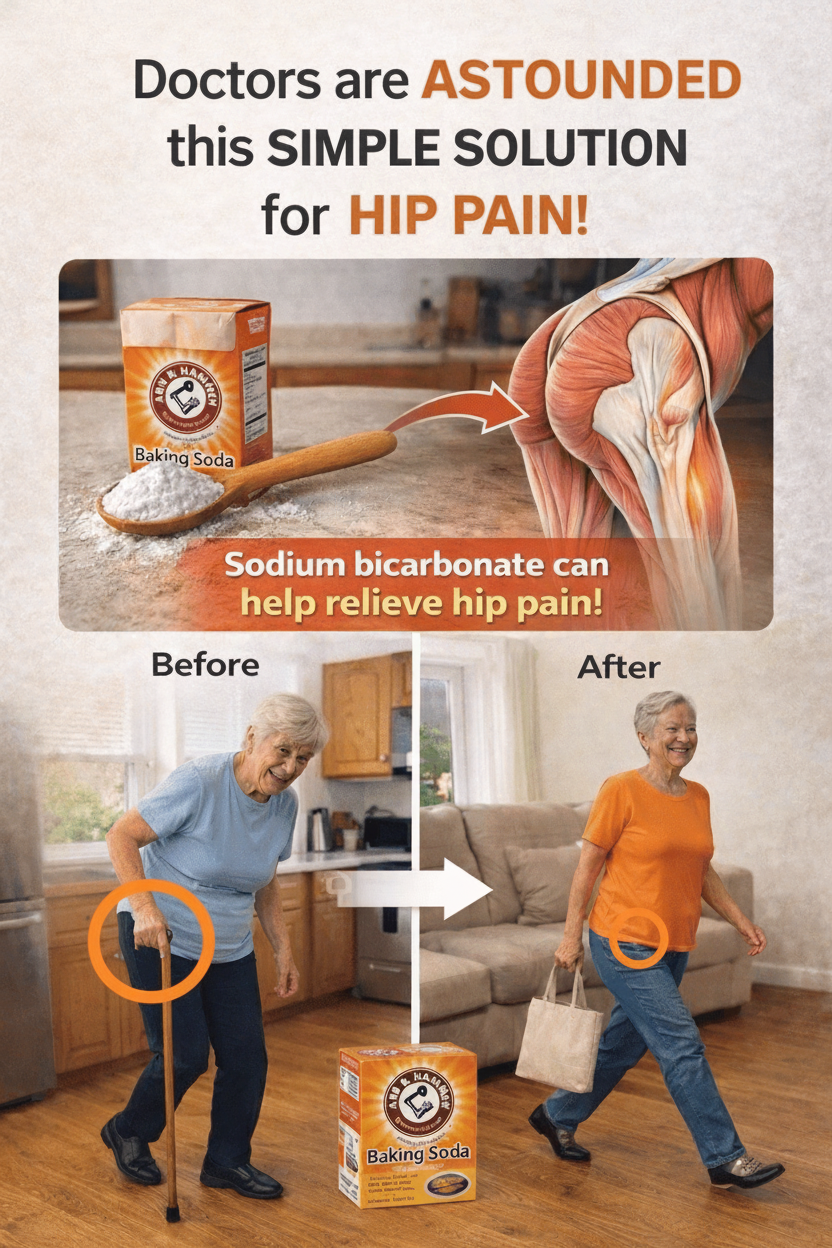
Baking soda, scientifically known as sodium bicarbonate, is a humble household item that has garnered significant interest for its potential to foster general comfort through accessible home applications. In the following sections, we will delve into evidence-based insights and time-honored traditional uses of baking soda that many individuals find beneficial for enhancing their daily well-being.
Understanding Sodium Bicarbonate: Its Core Properties
At its heart, baking soda is sodium bicarbonate, an alkaline chemical compound that is both widely accessible and remarkably affordable. Its utility extends far beyond culinary applications, primarily due to its inherent capacity to neutralize acids and facilitate mild chemical reactions.
The scientific community has explored how sodium bicarbonate might interact with the body’s natural physiological processes. A noteworthy 2018 study, published in The Journal of Immunology, revealed fascinating findings: consuming a solution of baking soda and water appeared to shift the activity of immune cells towards a more balanced state in both animal subjects and healthy human participants. This shift suggested the promotion of an internal environment less susceptible to excessive inflammation. Such discoveries have naturally sparked discussions regarding baking soda’s potential to alleviate discomfort associated with occasional joint unease. While further rigorous research is essential to fully understand these mechanisms, these initial findings underscore why baking soda remains a compelling subject in the realm of natural wellness approaches.
Baking Soda’s Role in Supporting Joint and Hip Comfort
Discomfort in areas like the joints and hips often arises from everyday wear and tear or minor inflammatory responses within the body. Preliminary evidence suggests that when taken orally in carefully measured, small quantities, baking soda could play a supportive role in managing these sensations.
Building on the aforementioned 2018 study, participants who ingested a baking soda solution experienced measurable alterations in the behavior of macrophages—a type of immune cell. These cells transitioned from a pro-inflammatory state to a more regulatory, balanced mode. This observed anti-inflammatory shift is hypothesized to contribute to an overarching sense of physical ease, which could extend to joint comfort. Furthermore, various anecdotal reports shared within health communities describe a reduction in hip or knee discomfort following consistent, low-dose use. It is crucial to remember, however, that individual experiences can vary widely, and while promising, the scientific evidence supporting these specific benefits is still emerging rather than definitively conclusive.
Important Note: Baking soda should never be considered a replacement for professional medical advice or treatment. Its effects on specific joint conditions, such as osteoarthritis, are still undergoing investigation and require comprehensive scientific validation.
Practical Applications: Incorporating Baking Soda into Your Routine
Here are several practical and traditionally recognized ways many individuals integrate baking soda into their daily routines for enhanced comfort. Always begin with minimal amounts and carefully observe how your body responds.
1. Oral Ingestion for Systemic Support
- Preparation: Dissolve 1/8 to 1/4 teaspoon of baking soda in a full glass of water (approximately 8-12 ounces).
- Usage: Drink this solution once daily. It is generally advisable to consume it with or after a meal, rather than on an empty stomach, to help minimize any potential stomach upset.
- Benefit: Some studies indicate that short-term use (up to two weeks) may help maintain the body’s acid-base balance without adverse effects, potentially contributing to overall systemic comfort.
2. Topical Application for Localized Relief
- Preparation: Create a thick paste by combining 2-3 tablespoons of baking soda with just enough water.
- Usage: Gently apply the paste to areas experiencing minor soreness or irritation around joints. Leave it on for 10-15 minutes, then rinse thoroughly.
- Benefit: This method can offer a soothing sensation for localized skin or muscle irritation, leveraging baking soda’s mild anti-inflammatory properties.
3. Soothing Bath Soaks for Overall Relaxation
- Preparation: Add approximately 1/2 cup of baking soda to a tub of warm bathwater.
- Usage: Immerse yourself and soak for 15-20 minutes.
- Benefit: A baking soda bath can help relax tense muscles, soothe irritated skin, and promote a general sense of calm and well-being, contributing to a more restful state.
These methods draw upon both historical home practices and limited scientific understanding of sodium bicarbonate’s gentle effects on the body.
Important Safety Information and Precautions
While baking soda is generally considered safe when used in small, appropriate amounts, moderation is absolutely crucial. Exceeding recommended dosages can lead to adverse effects.
- Dosage Limits: Do not consume more than 1/2 teaspoon of baking soda per day without explicit guidance from a healthcare provider.
- Potential Side Effects: Higher doses can potentially cause uncomfortable side effects such as bloating, nausea, and in more severe cases, electrolyte imbalances.
- Contraindications: Individuals with certain health conditions should avoid oral baking soda use. This includes those with high blood pressure, kidney issues, or anyone following a low-sodium diet.
- Medical Consultation: Always consult with a healthcare professional before incorporating baking soda into your wellness routine, particularly if you are currently taking medications or managing any chronic health conditions.
Research consistently emphasizes that baking soda serves as a supportive measure for general wellness and should not be viewed as a replacement for professional medical treatments or diagnostic care for specific joint concerns.
Beyond Joints: Other Everyday Wellness Uses for Baking Soda
Baking soda’s versatility extends well beyond its potential benefits for joint comfort. Here are a few additional common applications that can contribute to daily wellness:
- Oral Hygiene: A gentle paste made from baking soda and water can be used to brush teeth. It helps neutralize acids in the mouth, promoting fresher breath and contributing to cleaner teeth.
- Digestive Aid: A small amount of baking soda dissolved in water can provide quick relief for occasional indigestion or heartburn by neutralizing excess stomach acid.
- Skin Soothing: Beyond bath soaks, a paste can be applied to insect bites or minor skin irritations for a calming effect, thanks to its mild anti-inflammatory properties.
Embracing baking soda thoughtfully can be a simple, accessible step towards enhancing comfort and promoting overall well-being in daily life.