 By admin
 Unlocking the Potential of Avocado Seed Tea: A Deep Dive into Research and Health Benefits
For many, the substantial, brown pit nestled within an avocado is destined for the bin, often dismissed as mere refuse. Yet, this frequently overlooked component of the fruit has recently captivated the attention of health enthusiasts, who ingeniously transform it into a straightforward homemade brew. While the creamy avocado flesh is widely celebrated for its abundance of healthy fats and vital nutrients, the seed itself harbors a distinctive array of compounds. Early scientific inquiries have begun to explore these for their potential supportive roles in overall wellness regimens.
The concept of converting a discarded seed into a beneficial tea appeals profoundly to those seeking sustainable methods to integrate more natural elements into their daily routines. However, pertinent questions persist regarding the definitive scientific evidence and the safest approaches to its consumption. What truly draws interest is the promise of uncovering hidden value from an item typically cast aside, offering a modest step towards mitigating food waste while simultaneously exploring prospective health advantages. In the following sections, we will meticulously examine the compounds identified within avocado seeds, review what limited research indicates about their properties, provide a clear guide to preparing the tea at home, and highlight crucial considerations to bear in mind. Stay with us until the end for practical insights that can seamlessly integrate into your lifestyle.
Understanding the Rich Composition of Avocado Seeds
Avocado seeds constitute a notable proportion of the fruit’s total weight and are remarkably replete with a diverse spectrum of natural substances. Scientific investigations indicate that these seeds often boast a greater concentration of specific polyphenols and diverse phytochemicals compared to the fruit’s edible pulp. These valuable compounds encompass catechins, procyanidins, and other potent antioxidants, all of which contribute significantly to the seed’s comprehensive biochemical profile. Studies focusing on avocado by-products consistently identify seeds as a significant reservoir of bioactive elements, including various flavonoids and phenolic compounds.
These particular substances are the primary focus of escalating interest because their properties align with broader research into plant-based foods that bolster general health through their inherent antioxidant activity. Nevertheless, it is important to note that the majority of investigations conducted to date have involved laboratory analyses (in vitro studies) or animal models, rather than extensive human clinical trials.
What Early Research Suggests About Avocado Seed Compounds
Laboratory and animal-based research has unveiled several intriguing properties linked to extracts derived from avocado seeds. For instance, some investigations have observed significant anti-inflammatory effects within controlled experimental environments. In these settings, seed extracts demonstrated the capacity to inhibit specific inflammatory responses, even at relatively low concentrations. A notable study from Penn State researchers, for example, identified promising activity that warrants deeper exploration for potential applications in functional foods.
Furthermore, other research has delved into the seed’s potential to support metabolic processes. In various rodent models, supplementation with avocado seed extracts has been associated with positive effects on body weight management, energy balance regulation, and the expression of related genes, particularly in scenarios involving high-fat diets. The compounds present in the seed may interact with biochemical pathways crucial for glucose metabolism and lipid profiles, as evidenced by studies showing reductions in certain cholesterol markers in animal subjects.
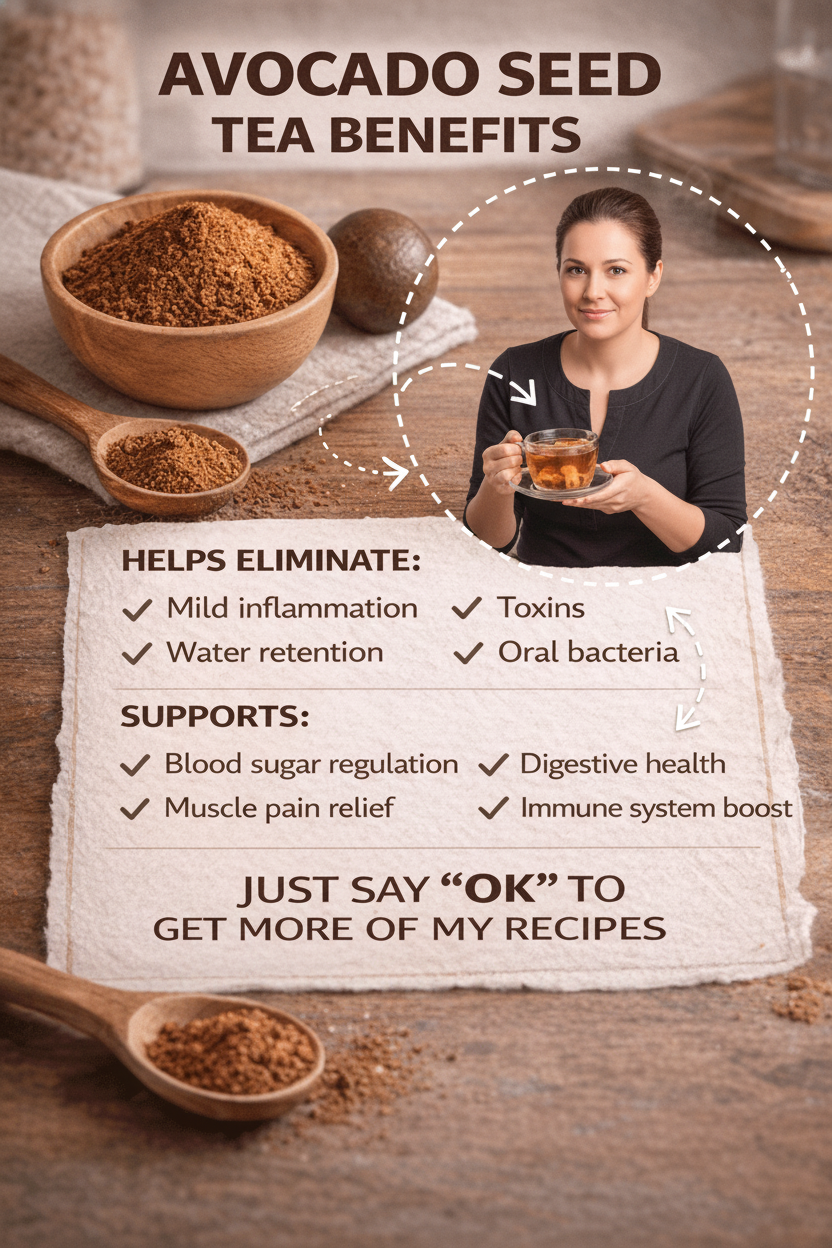
The antioxidant capacity of avocado seeds stands out prominently across multiple reviews, with seeds exhibiting strong radical-scavenging potential directly attributable to their rich polyphenol content. This finding is consistent with comparative tests indicating that avocado seeds possess superior antioxidant activity compared to many other fruit by-products. Preliminary observations also hint at potential antimicrobial properties, though these aspects remain largely exploratory.
However, it is crucial to underscore a significant point: while these preliminary findings certainly spark enthusiasm, their basis largely stems from controlled in vitro experiments, animal models, or centuries-old traditional practices. Direct, robust evidence from large-scale human consumption studies is still considerably limited, meaning that any potential everyday health benefits remain suggestive rather than definitively proven.
Integrating Avocado Seed Tea into a Balanced Wellness Approach
Transforming the avocado seed into a tea offers a gentle and accessible method to explore these diverse compounds, as the boiling process can facilitate the release of certain beneficial elements into a drinkable infusion. Historically, communities in regions such as parts of Africa, Central America, and South America have utilized similar preparations for general well-being. The resulting brew typically presents a mild, often slightly bitter taste, which many choose to enhance with natural sweeteners or other additions to suit their palate.
Simple Steps to Prepare Avocado Seed Tea at Home
If you are intrigued and wish to experiment with preparing this tea at home, focus on proper and mindful preparation to ensure a straightforward process. Follow these steps:
- Select a Fresh Seed: Begin with a clean, fresh avocado seed sourced from a ripe fruit.
- Thoroughly Rinse: Rinse the seed meticulously under running water to eliminate any residual fruit pulp or debris.
- Optional Drying: While not strictly necessary, allowing the seed to air-dry completely can make the next step easier.