 By admin
 Boost Your Blood Flow: The Evening Spice That Supports Healthy Circulation
With advancing age, many individuals experience noticeable shifts in their circulatory system, particularly concerning blood flow to the lower extremities like the legs and feet. These changes can manifest as sensations of heaviness, intermittent coldness, or subtle discomfort, especially following extended periods of standing or walking. Diminished circulation often becomes more prevalent over time, influenced by factors such as decreased physical activity, natural physiological changes in blood vessels, and various lifestyle choices. Such feelings can detract from daily comfort and make routine tasks feel more arduous. However, integrating straightforward, natural elements into your daily regimen could provide gentle assistance for maintaining optimal blood flow, complementing a healthy lifestyle. Among the common spices, cinnamon has garnered significant interest in scientific research for its potential contributions to cardiovascular well-being. This article will delve into how a mindful incorporation of cinnamon into your evening routine might promote healthy circulation, especially for older adults, drawing upon current research regarding its active compounds and their physiological impacts.
Why Healthy Blood Flow Becomes Crucial with Age
Efficient blood circulation is fundamental for transporting vital oxygen and nutrients throughout the body’s tissues, concurrently facilitating the removal of metabolic waste products. When this vital process decelerates, particularly in the lower limbs, it can significantly affect an individual’s comfort and overall energy levels. Scientific investigations highlight that elements such as systemic inflammation, the elasticity of blood vessels, and a balanced lipid profile are pivotal in sustaining robust circulation. Furthermore, studies suggest that specific natural compounds can assist this process by promoting vessel relaxation and mitigating oxidative stress. Cinnamon, extracted from the bark of various Cinnamomum species, contains potent bioactive constituents, notably cinnamaldehyde, which have demonstrated positive effects on these physiological aspects in both laboratory and human studies.
Exploring Cinnamon’s Potential Benefits for Cardiovascular Wellness
Extensive research has focused on cinnamon’s prospective influence on the function of the heart and blood vessels. Numerous comprehensive reviews and clinical investigations indicate that consistent consumption of cinnamon may contribute to sustaining healthy blood pressure readings. For example, peer-reviewed studies have demonstrated that regular dietary inclusion of cinnamon can result in modest decreases in both systolic and diastolic blood pressure over periods spanning several weeks to months. This effect is hypothesized to stem from mechanisms such as encouraging vasodilation—the widening of blood vessels—and enhancing endothelial function, which refers to the health of the critical inner lining of these vessels. A notable meta-analysis of various randomized controlled trials reported observable improvements in blood pressure among individuals consuming approximately 1.5 grams of cinnamon daily. Additionally, a separate study involving participants with mild hypertension documented a statistically significant, albeit moderate, reduction in ambulatory systolic pressure after a 90-day intervention. Beyond its impact on blood pressure, cinnamon’s robust antioxidant capabilities are instrumental in counteracting oxidative stress, a factor known to compromise vascular health over time. Furthermore, the compounds present in cinnamon may foster healthier lipid profiles by assisting in the maintenance of balanced cholesterol and triglyceride levels, thereby indirectly facilitating more unobstructed blood flow.
Connecting Cinnamon to Peripheral Circulation in Legs and Feet
Although specific research directly focusing on “leg circulation” in relation to cinnamon remains somewhat limited, the broader cardiovascular advantages attributed to cinnamon are likely to have positive implications for peripheral regions, including the legs and feet. Enhanced blood vessel relaxation and a reduction in inflammatory processes could collectively contribute to improved peripheral blood flow. Historically, various cultures have regarded cinnamon as a warming spice beneficial for supporting circulation, a perspective that finds corroboration in modern scientific findings demonstrating vasodilatory effects in both animal models and human clinical trials. For older adults, who often experience a natural decrease in peripheral circulation, these supportive characteristics position cinnamon as a compelling natural option worth considering.
Effortless Methods to Incorporate Cinnamon into Your Evening Ritual
An accessible and widely favored method involves consuming approximately one teaspoon (equating to roughly 2-3 grams, though it’s advisable to begin with a smaller amount) of ground cinnamon prior to bedtime. Below are some uncomplicated suggestions for integrating it:
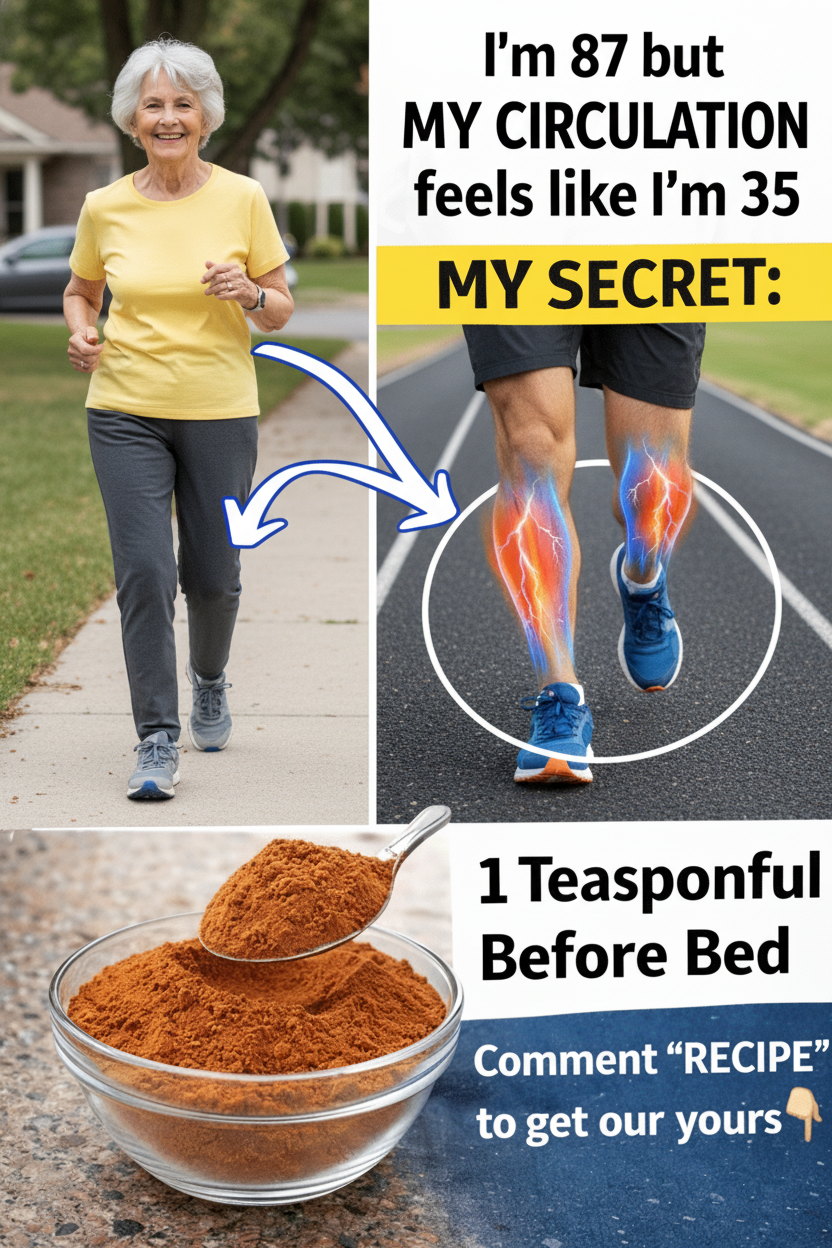
Simple Cinnamon Infusion
- Combine 1 teaspoon of ground cinnamon with warm water or your preferred herbal tea. Allow it to steep for 5-10 minutes, then enjoy a leisurely sip. A minimal amount of honey can be added for flavor, keeping blood sugar management in mind.
Creamy Bedtime Blend
- Stir ground cinnamon into warm almond, oat, or other plant-based milk for a comforting and calming evening drink.
Culinary Enhancement
- Sprinkle cinnamon over yogurt, oatmeal, or a small banana to create a health-conscious evening treat.
Remember, regularity in consumption is often more impactful than the exact amount; strive for daily inclusion as part of your holistic wellness practices.
Maximizing Benefits and Ensuring Safe Cinnamon Consumption
To optimize the potential advantages of incorporating cinnamon:
- Opt for Ceylon Cinnamon: Whenever feasible, select Ceylon cinnamon, often referred to as “true cinnamon,” instead of Cassia cinnamon. Ceylon varieties contain significantly lower levels of coumarin, a compound that can be problematic in high doses with long-term consumption.
- Begin Gradually: Initiate your intake with a smaller dose, such as ½ teaspoon, and progressively increase it. This approach helps to prevent any potential digestive discomfort.
- Combine with Physical Activity: Complement cinnamon’s beneficial effects with light physical activity, such as gentle evening walks or leg elevation exercises, which further support healthy circulation.
- Monitor Your Body’s Response: Pay close attention to any changes in your energy levels, sensations of warmth in your extremities, or overall comfort over a period of several weeks.
Important Note: While cinnamon offers potential health benefits, it should not replace prescribed medications or professional medical advice. Always consult with a healthcare professional before making significant changes to your diet or health regimen, especially if you have underlying health conditions, are pregnant, breastfeeding, or taking other medications.