 By admin
 Ginger (Zingiber officinale) is a beloved spice, renowned globally for its distinctive warming flavor and a long history in traditional medicine. Many integrate it into their daily routines, appreciating its potential to soothe digestive discomfort or add a vibrant kick to culinary creations. However, like any potent natural ingredient, ginger is not universally suitable for everyone in every circumstance.
While generally considered safe for most healthy adults when consumed in moderation—typically up to 4 grams per day—certain individuals may encounter mild adverse effects or interactions, especially with larger doses or in concentrated supplement forms. Esteemed health authorities such as WebMD, Healthline, and the National Institutes of Health (NIH) emphasize the importance of exercising caution and consulting a healthcare professional if you fall into specific categories. The cornerstone of safe ginger use lies in moderation and a thorough understanding of your personal health profile.
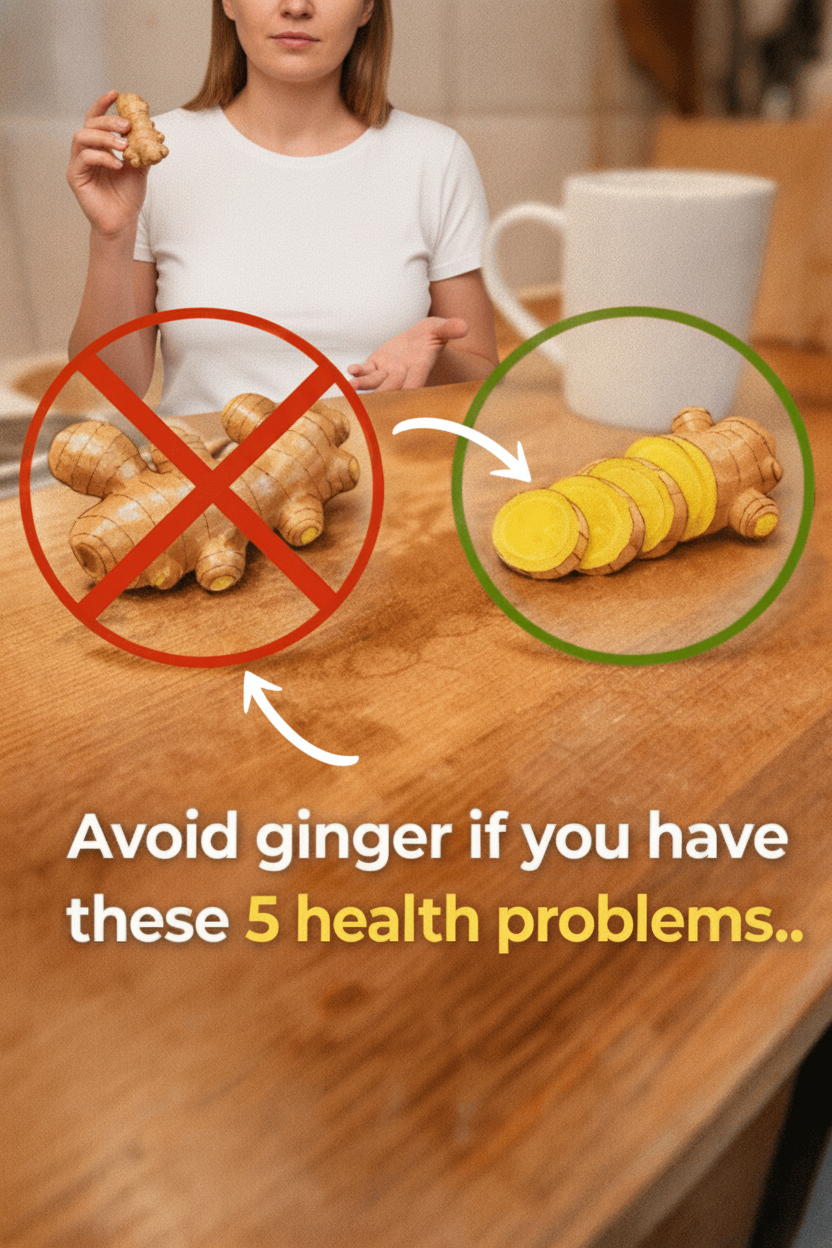
This comprehensive guide will delve into five common scenarios where questions frequently arise regarding ginger’s suitability, drawing insights from robust scientific evidence. You’ll gain practical advice for responsible consumption and understand why personalized medical guidance is paramount.
Why Ginger’s Popularity Doesn’t Mean It’s Always a Universal Remedy
For millennia, ginger has been a staple in both the kitchen and various traditional healing practices. Modern research continues to explore its potential benefits, which often include supporting healthy digestion and alleviating occasional nausea for a wide demographic. Nevertheless, the powerful natural compounds present in ginger, particularly gingerols, can exert physiological effects that may influence critical bodily functions such as blood clotting, bile production, and blood sugar regulation in some individuals. This doesn’t inherently label ginger as “harmful”; rather, it underscores the necessity of paying close attention to your body’s responses and your individual health history. Below, we outline situations where evidence-based sources frequently recommend a cautious approach.
1. If You Are Taking Blood-Thinning Medications or Have Bleeding Disorders
Ginger is known to possess mild anticoagulant properties, meaning it can subtly affect blood clotting mechanisms, particularly at higher doses. Reputable health platforms, including WebMD, highlight that this effect could theoretically elevate the risk of bleeding when ginger is consumed concurrently with prescription blood-thinning medications such as warfarin, aspirin, or other anticoagulants. Individuals diagnosed with existing bleeding disorders might experience an exacerbation of their condition. Furthermore, medical professionals often advise patients to discontinue ginger consumption several days prior to scheduled surgeries to mitigate potential complications related to clotting during the procedure.
Practical Tip: If you are currently on blood-thinning medication, meticulously monitor your ginger intake and engage in a detailed discussion with your physician. Prioritize small, food-based amounts over potent, concentrated supplements.
2. During Pregnancy, Especially in Elevated Doses
Many expectant mothers find ginger, used sparingly, to be an effective natural remedy for easing morning sickness, with several studies supporting its safety at low doses. However, experts, including those from the Memorial Sloan Kettering Cancer Center, advise that excessive intake, particularly as delivery approaches, could pose a minor risk, potentially linked to increased bleeding or other uterine effects. It is always recommended to opt for ginger integrated into food rather than high-dose supplements during pregnancy.
Actionable Advice: Begin with minimal portions, such as a thin slice in your tea, and always secure approval from your prenatal care provider to confirm its suitability for your specific pregnancy journey.
3. If You Are Dealing with Gallbladder Issues or Gallstones
Certain evidence indicates that ginger can stimulate the production and flow of bile. For individuals with pre-existing gallbladder conditions, such as gallstones, this increased bile flow might not be beneficial and could potentially exacerbate existing symptoms or problems. Health resources like Healthline and Peptiko mention this as a valid reason for caution. This particular concern is more pronounced when consuming concentrated ginger forms rather than the small amounts typically used in cooking.
Quick Tip: If you have a history of gallbladder symptoms, consider gentler digestive aids and carefully observe your body’s reaction to even modest quantities of ginger. Consulting a healthcare professional is advisable.
4. When Managing Blood Sugar Levels or Taking Diabetes Medications
Ginger has been observed to influence blood glucose levels in some individuals, potentially leading to a further reduction in blood sugar when taken alongside diabetes medications such as insulin or metformin. Resources like RxList underscore the critical need for vigilant monitoring to prevent dangerously low blood sugar (hypoglycemia). Those diagnosed with diabetes must meticulously track their ginger intake.
Helpful Step: For a week, record your ginger consumption alongside your meals and regular glucose readings to identify any patterns and determine if adjustments to your diet or medication are necessary.
5. If You Experience Digestive Sensitivity or Have Underlying Heart Conditions (at High Doses)
While ginger is widely celebrated for its digestive benefits, consuming it in higher quantities—exceeding approximately 5-6 grams daily—can sometimes trigger mild gastrointestinal discomforts. These may include heartburn, acid reflux, bloating, or general stomach upset, as documented in reviews by NCBI and WebMD. Furthermore, in sensitive individuals, very high doses of ginger could potentially affect certain heart rhythms or influence blood pressure. If you have pre-existing conditions like acid reflux, ulcers, or cardiac concerns, it is prudent to commence with very low doses. Culinary forms, such as fresh ginger root in cooking, are generally better tolerated than concentrated supplements.