 By admin
 Can Red Onions Help Support Healthy Blood Sugar Levels? What Science Actually Shows
Navigating daily blood sugar management can often feel like a constant uphill battle. Despite diligent efforts in diet and regular monitoring, unexpected fluctuations can be disheartening. This ongoing challenge leads many to seek out natural, uncomplicated dietary additions that could offer subtle yet significant support without requiring drastic lifestyle overhauls. It’s precisely for this reason that common kitchen staples, particularly the vibrant purple onion, frequently emerge in discussions surrounding blood sugar support. In this comprehensive guide, we’ll delve into the specifics of red onions (also known as purple onions), exploring the scientific rationale behind their potential benefits, identifying the key compounds researchers are investigating, and offering practical strategies for incorporating them into your daily meals. We’ll also conclude with a straightforward, traditional method for preparing red onions that many find both enjoyable and easy to integrate.
The Allure of Red Onions for Blood Sugar Management
Belonging to the diverse Allium family, alongside well-known relatives like garlic, shallots, and leeks, red onions distinguish themselves with their striking color and unique nutritional profile. The deep reddish-purple hue of these varieties is not just visually appealing; it signifies a concentrated presence of beneficial plant compounds. Specifically, red onions are renowned for their high levels of anthocyanins — the potent pigments responsible for their vibrant color — and quercetin, a powerful flavonoid that has been a subject of extensive scientific research for many years. Both anthocyanins and quercetin are part of a broader category known as polyphenols. These polyphenolic compounds garner significant attention due to their multifaceted roles in the body. They function as robust antioxidants and have been observed to positively impact crucial physiological processes, including the regulation of inflammation, the enhancement of insulin sensitivity, and the intricate mechanisms of carbohydrate metabolism.
What Does Science Reveal About Onions and Blood Sugar?
Before diving into the promising findings, it’s crucial to establish a fundamental understanding: no single food, including red onions, possesses the ability to instantaneously lower blood sugar levels or serve as a substitute for prescribed medical treatments. Promoting such claims would be both misleading and potentially harmful. Nevertheless, a growing body of scientific inquiry has meticulously investigated how the unique compounds found in onions might contribute a valuable, supportive role in blood sugar management.
Insights from Laboratory and Animal Studies
Preclinical investigations, encompassing both laboratory (in vitro) and animal studies, have consistently demonstrated intriguing results. Extracts derived from onions, particularly those from raw or minimally processed forms, have been observed to significantly mitigate post-meal blood sugar spikes and enhance insulin response within diabetic rodent models. These findings offer foundational insights into the potential mechanisms at play.
Promising Human Research
While the scope and number of human trials remain comparatively limited, existing research suggests that the consistent incorporation of onions or their extracts into the diet could be linked to modest yet meaningful improvements in key markers such of fasting glucose and HbA1c levels. These observed benefits have been noted in certain individuals diagnosed with type 2 diabetes or prediabetes, highlighting the potential for dietary support.
Key Bioactive Compounds at Play
Among the myriad compounds in onions, quercetin stands out as one of the most extensively researched. In controlled laboratory environments, quercetin has demonstrated the remarkable ability to inhibit specific enzymes, such as α-amylase and α-glucosidase, which are responsible for breaking down carbohydrates within the digestive system. This mechanism bears a resemblance to how certain pharmaceutical interventions for diabetes function, albeit with a considerably milder effect. Furthermore, anthocyanins, which are particularly concentrated in the vibrant red and purple onion varieties, exhibit potent anti-inflammatory and antioxidant properties. These effects may indirectly contribute to enhanced overall metabolic health. It is crucial to reiterate that these observed benefits are generally modest and are most likely to manifest when onions are consumed consistently as an integral component of a holistic, balanced dietary regimen, rather than being viewed as a standalone ‘miracle’ ingredient.
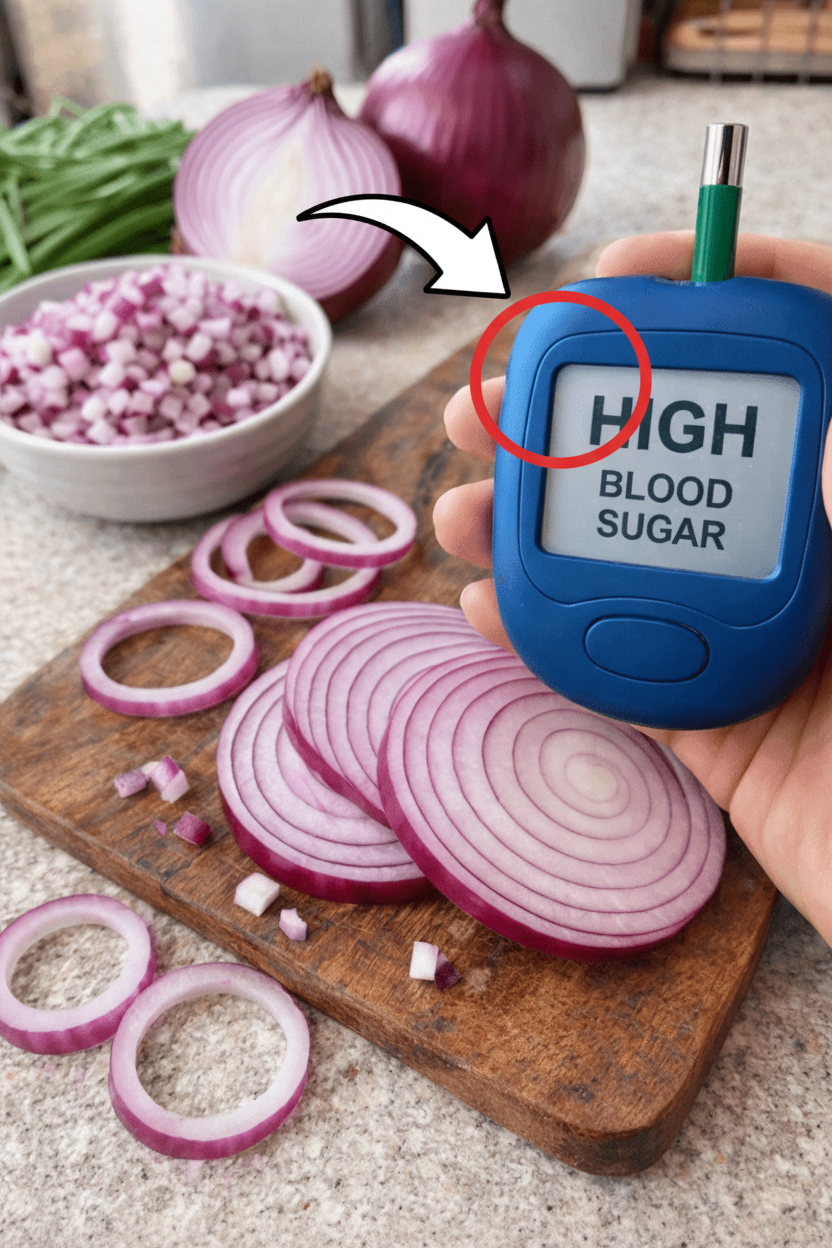
Nutritional Powerhouse: Unpacking Red Onions
Beyond their culinary versatility, red onions offer an impressive nutritional profile that captures the attention of health experts. Here’s a concise overview of their key contributions:
- Calorie and Carbohydrate-Friendly: They are exceptionally low in calories and carbohydrates, typically providing around 9–10 grams of carbs per 100 grams, of which approximately 1.7 grams is dietary fiber.
- Virtually Fat-Free: Red onions contain negligible amounts of fat, making them an excellent addition to a heart-healthy diet.
- Vitamin C Source: A good source of vitamin C, an essential antioxidant vital for immune function and skin health.
- Chromium Content: They provide small yet significant quantities of chromium, a trace mineral known for its role in supporting healthy insulin function and glucose metabolism.
- Sulfur Compounds: Rich in unique sulfur compounds, which are not only responsible for their distinctive pungent aroma but also contribute to many of their potential health-promoting effects.
- Abundant Quercetin: Notably high in quercetin, with red varieties often boasting higher concentrations compared to their white or yellow counterparts.
- Anthocyanin Richness: Packed with anthocyanins; the more intense the red or purple color, the greater the concentration of these beneficial pigments.
Maximizing Benefits: Smart Ways to Incorporate Red Onions
The method by which you prepare your red onions can significantly impact the preservation of their beneficial compounds. Intensive high-heat cooking techniques, such as deep frying or extended caramelization, can unfortunately diminish the potency of sensitive phytochemicals like quercetin and anthocyanins. To best harness their nutritional power, consider these preparation approaches that help retain more of their valuable constituents:
- Enjoy Them Raw: Sliced thinly in salads, sandwiches, or as a garnish, raw red onions offer maximum nutrient retention.
- Lightly Pickled: A quick pickling process not only enhances their flavor but also helps preserve their delicate compounds.
- Briefly Cooked: Opt for quick sautéing, steaming, or grilling methods rather than prolonged cooking.
- Late Addition: Incorporate red onions towards the very end of your cooking process to minimize heat exposure.
A Simple & Delightful Preparation: Pickled Red Onions
While not a miraculous cure, this traditional and incredibly straightforward preparation style has been embraced across various cultures for generations as an enjoyable way to incorporate more red onions into daily meals. These quick-pickled onions offer a tangy, vibrant addition to almost any dish.
Ingredients (Yields approximately 4–5 servings):
- 3–4 medium-sized red onions (select firm, heavy onions with rich, deep purple skin for optimal flavor and color)
- 1½–2 cups high-quality apple cider vinegar (ensure it has 5% acidity)
- 1 cup water
- 1–2 tablespoons honey or a few thin slices of fresh apple/pear (optional, for a subtle sweetness without significant added sugar)
- 1 teaspoon whole black peppercorns (optional, for a hint of spice)
- 1–2 bay leaves (optional, for aromatic depth)
How to Prepare:
- Slice the Onions: Peel the red onions and slice them thinly using a sharp knife or a mandoline.
- Prepare the Brine: In a saucepan, combine the apple cider vinegar, water, honey (or apple/pear slices), black peppercorns, and bay leaves (if using). Bring the mixture to a gentle simmer over medium heat, stirring until any honey dissolves. Remove from heat.
- Pack the Onions: Tightly pack the sliced onions into a clean, heat-proof glass jar.
- Pour the Brine: Carefully pour the warm brine over the onions, ensuring they are fully submerged.
- Cool and Store: Let the jar cool completely to room temperature before sealing it. Store in the refrigerator. The pickled onions will be ready to enjoy in just a few hours, though their flavor will deepen after 24 hours. They typically last for 2-3 weeks in the fridge.
In summary, while red onions are certainly not a standalone remedy for blood sugar management, scientific evidence suggests their rich content of compounds like quercetin and anthocyanins can offer valuable supportive benefits. Incorporating them regularly into a balanced, whole-food diet, prepared in ways that preserve their potent nutrients, can be a simple, delicious step towards enhancing overall metabolic health. Always remember to consult with your healthcare provider for personalized advice regarding blood sugar control and dietary changes, especially if you have an existing medical condition like diabetes or prediabetes.