 By admin
 9 Natural Strategies for Optimal Oral Health and Plaque Control
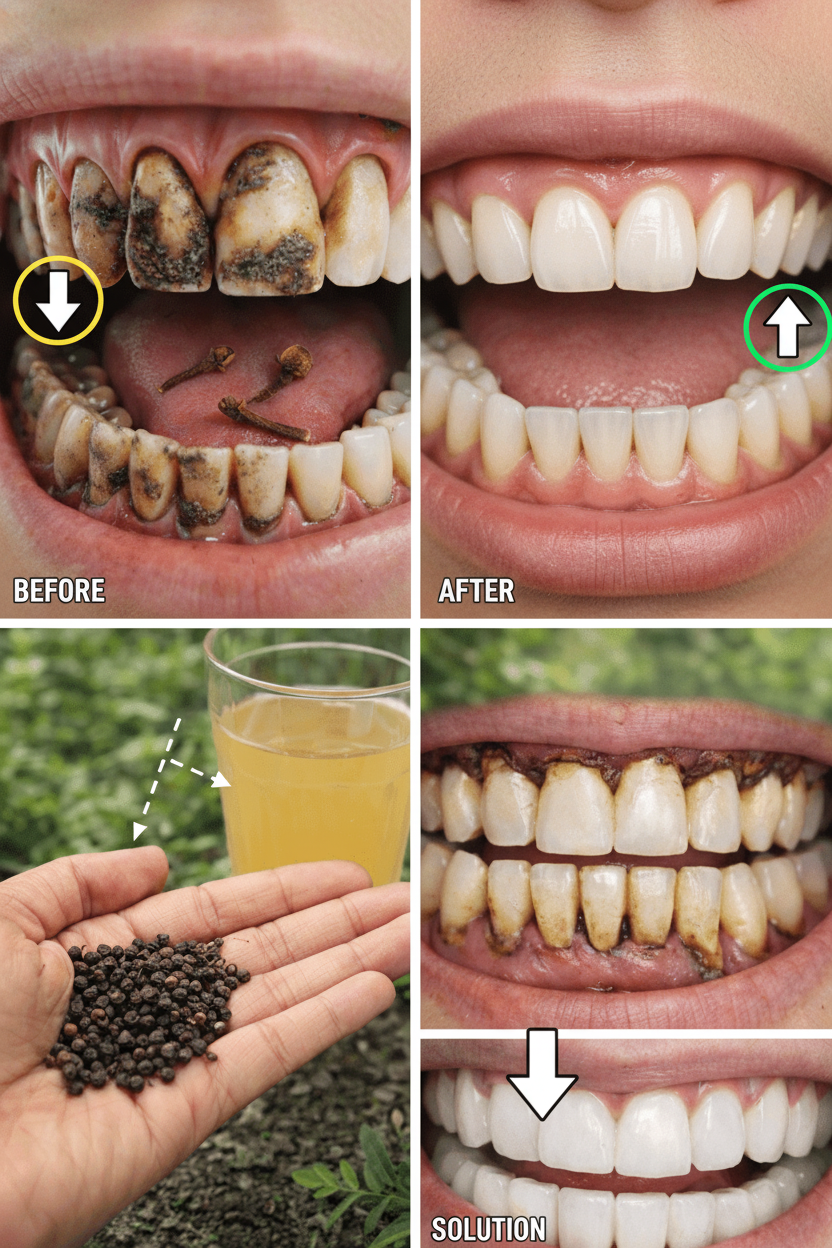
The persistent, often yellowish film that accumulates on your teeth can undoubtedly dampen your confidence and serve as a daily reminder of how plaque silently progresses into hardened tartar. This stubborn buildup frequently clings to those tricky, hard-to-reach areas, creating a rough texture detectable with your tongue and potentially leading to discomfort in your gums. Many individuals find it frustratingly reappears even after diligent brushing, leaving them questioning their oral hygiene routine.
The encouraging news is that integrating simple, everyday habits and harnessing the power of natural ingredients, many found right in your kitchen, can significantly bolster your efforts to maintain a cleaner mouth between professional dental visits. In this comprehensive guide, we will delve into practical, natural approaches that many find beneficial as a complementary part of a consistent oral care regimen. Be sure to read until the end for a surprising insight that truly unifies these practices for superior daily oral maintenance.
Understanding Plaque and Tartar Formation – And Why Prevention is Paramount
Plaque is essentially a soft, sticky biofilm composed of bacteria that constantly forms on your teeth after consuming food and drinks. If not meticulously removed through regular cleaning, this bacterial film hardens into tartar, a calcified deposit that strongly adheres to tooth enamel and necessitates specialized tools for complete removal by a dental professional. Research consistently demonstrates that a rigorous and consistent oral hygiene routine significantly diminishes plaque accumulation, contributing to fresher breath and noticeably smoother tooth surfaces. Reinforcing your mouth’s natural defenses with gentle yet effective habits can profoundly impact your daily oral comfort and health. However, brushing alone often misses certain spots, which is precisely where these supportive natural methods become invaluable. Let’s explore actionable steps you can incorporate.
-
Gentle Exfoliation with Baking Soda
Baking soda functions as a mild abrasive, effectively helping to scrub away superficial plaque without being overly harsh on tooth enamel when used judiciously. To prepare, mix a small quantity of baking soda with water to create a fine paste. Dip your toothbrush into this paste and gently brush your teeth for approximately one to two minutes. Always rinse your mouth thoroughly afterward. Studies suggest that dental products containing baking soda can, in certain scenarios, be more effective at reducing plaque compared to conventional toothpastes. To prevent potential over-abrasion, limit its use to 2–3 times per week.
-
Embrace Oil Pulling with Coconut Oil
This ancient Ayurvedic practice involves swishing oil in your mouth to help dislodge bacteria and promote cleaner teeth. Begin with 1 tablespoon of virgin coconut oil. Swish it gently around your mouth for 10–20 minutes (new users might start with shorter durations). Afterward, spit the oil into a trash can (to avoid clogging drains), rinse your mouth with water, and then brush your teeth as you normally would. Some scientific investigations indicate that oil pulling with coconut oil may lead to reduced plaque scores and lower bacterial counts in saliva, making it a soothing and beneficial addition to your morning routine.
-
The Power of Diluted White Vinegar Rinse
White vinegar possesses natural acidity that, when properly diluted, can help disrupt the bacterial environment in your mouth. Combine 1–2 teaspoons of white vinegar with a cup of warm water. Swish this solution around your mouth for 30–60 seconds once daily. Always follow up by rinsing your mouth thoroughly with plain water. Evidence suggests that vinegar can support reduced demineralization and plaque buildup due to its inherent antimicrobial properties. Due to its acidic nature, limit its regular use to avoid potential enamel concerns from frequent exposure.
-
Soothing Support with Aloe Vera Gel
Aloe vera is well-regarded for its gentle antibacterial and anti-inflammatory benefits, often utilized for gum comfort and healing. Extract fresh gel directly from an aloe leaf or opt for a pure, store-bought aloe vera gel. Apply a small amount onto your teeth and gums. Allow it to sit for a few minutes, then rinse your mouth. Its beneficial compounds may help mitigate plaque-related irritation, making it a calming and restorative step after brushing.
-
Natural Surface Cleaning with Orange Peel
The inner white pith of an orange peel contains natural compounds, including limonene and Vitamin C, which are believed to contribute to cleaner tooth surfaces. Take a fresh orange peel. Gently rub the white inner side against your teeth for approximately 2–3 minutes. Rinse your mouth afterward. Vitamin C and other elements within the peels may naturally help combat oral bacteria. Integrating this practice a few times a week can offer subtle yet effective support.
-
Chewing Sesame Seeds for a Gentle Scrub
Sesame seeds offer a unique, gentle mechanical action akin to a natural form of brushing. Slowly chew a teaspoon of sesame seeds. Swish the chewed seeds around your mouth before swallowing or spitting them out. Follow this with your regular brushing routine. Their mild abrasive texture helps to gently polish teeth while simultaneously stimulating saliva flow, which is crucial for naturally washing away food debris and neutralizing acids.
-
Antimicrobial Benefits of Cloves
Cloves have a long-standing history in traditional oral care for their potent antimicrobial and analgesic properties. You can gently chew 1–2 whole cloves, or create a paste by mixing ground cloves with a drop of oil. Apply this paste to your teeth and gums, or swish with clove-infused water. Clove oil has shown promising results in various studies for its ability to reduce oral bacteria. Use sparingly to enjoy its warming sensation and benefits without causing irritation.
-
Harnessing Guava Leaves and Other Herbal Options
Chewing fresh guava leaves is a time-honored practice in many cultures for promoting oral health. Wash 4–5 young guava leaves thoroughly and chew them for several minutes. Afterward, spit out the leaves and rinse your mouth. The natural compounds found in guava leaves, such as flavonoids and tannins, are known to possess anti-inflammatory and antimicrobial properties that can support gum health and help reduce plaque accumulation.
-
The Protective Power of Xylitol
Xylitol is a natural sugar alcohol found in many fruits and vegetables, and it’s a powerful ally in oral health. Unlike regular sugar, xylitol is not fermentable by the harmful bacteria in your mouth that cause cavities and plaque. In fact, it can inhibit their growth and adhesion to tooth surfaces. Incorporate xylitol by chewing xylitol-sweetened gum (ensure it’s 100% xylitol) or using xylitol lozenges after meals. This can help reduce the amount of plaque-forming bacteria and stimulate saliva production, further protecting your teeth.
The Ultimate Combination for Lasting Oral Wellness
While each of these natural methods offers distinct benefits, the true secret to supporting healthier teeth and significantly reducing plaque buildup isn’t found in a single magic ingredient. The most surprising yet powerful combination for superior daily maintenance is a holistic, consistent, and integrated approach.
This means diligently combining these natural remedies with your foundational oral hygiene practices: brushing twice daily with a fluoride toothpaste, flossing meticulously every day, and attending regular professional dental check-ups and cleanings. Integrating these natural strategies as complementary tools, rather than replacements, empowers you with a multi-faceted defense against plaque and tartar. Consistency in your routine, coupled with a balanced diet and regular hydration, forms the cornerstone of a vibrant, healthy smile that radiates confidence and well-being.