 By admin
 Hiatal Hernia: 10 Key Signs and Symptoms You Need to Know
Experiencing persistent discomfort after meals, such as a burning sensation in the chest or a rapid feeling of fullness, can significantly impact your daily life. These bothersome issues often intensify at night or when bending over, making simple pleasures like enjoying a meal or getting restful sleep a challenge. Such symptoms frequently arise from stomach acid refluxing into the esophagus. While these sensations can be frustrating and persistent, recognizing their potential cause is the crucial first step toward finding effective relief. This article will delve into the common indicators of a hiatal hernia and, further on, provide practical lifestyle strategies that many individuals find beneficial for managing these discomforts.
Understanding a Hiatal Hernia
A hiatal hernia develops when a section of your stomach, specifically its upper portion, protrudes upward through the diaphragm. The diaphragm is the vital muscle separating your chest from your abdomen. Within this muscle lies a small natural opening, known as the hiatus, which serves as the passageway for the esophagus to connect to the stomach. Should this hiatus weaken or expand, a part of the stomach can then slide into the chest cavity.
It’s important to note that many small hiatal hernias are entirely asymptomatic, often discovered incidentally during medical examinations for unrelated conditions. However, larger hernias are frequently associated with symptoms of acid reflux or gastroesophageal reflux disease (GERD), where stomach contents, including acid, flow back into the esophagus. Medical experts, including those at the Mayo Clinic, confirm that while a significant number of individuals with hiatal hernias experience no symptoms, the onset of discomfort is typically linked to this upward migration of the stomach, impacting digestive function and overall well-being.
10 Key Signs and Symptoms of a Hiatal Hernia
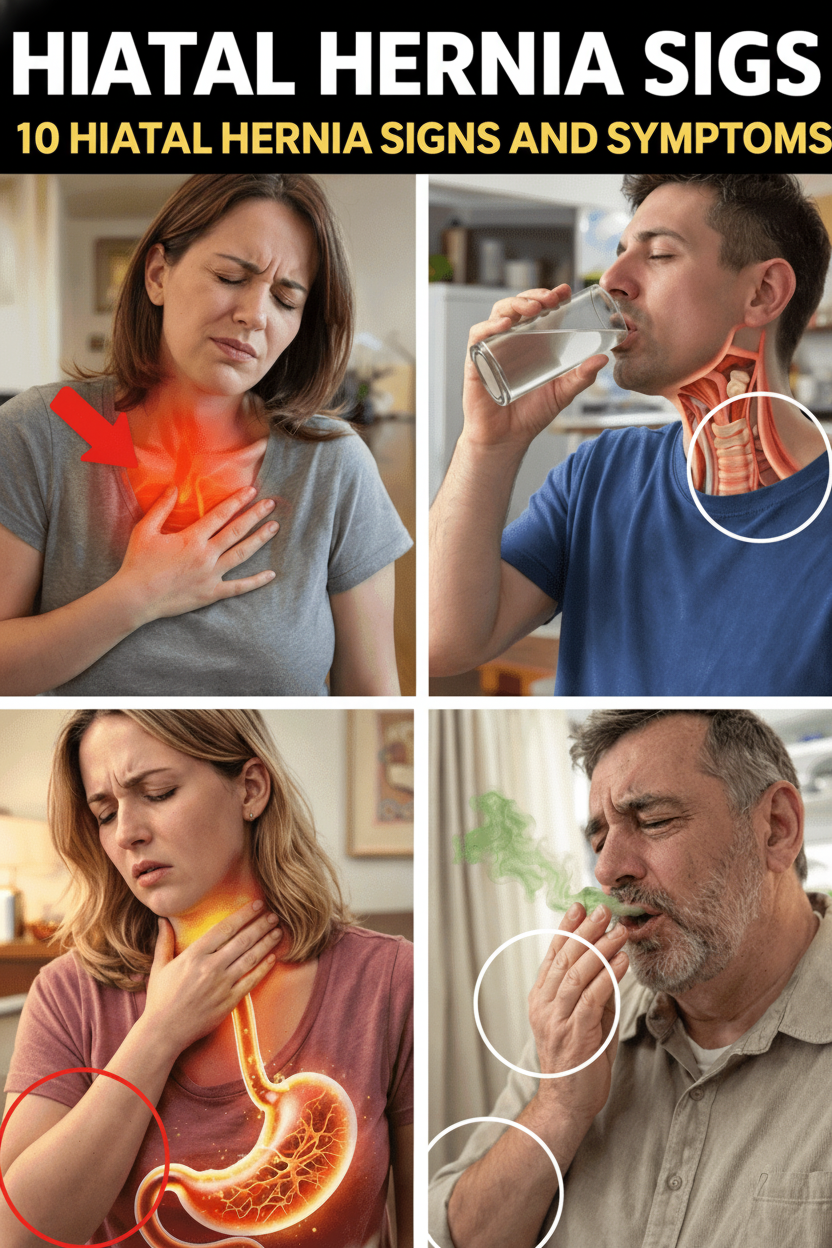
While individual experiences can differ significantly, and not everyone will exhibit all of these indicators, here are the most commonly reported signs and symptoms associated with a hiatal hernia:
- Heartburn — A distinct burning sensation felt behind the breastbone, frequently occurring after meals and often exacerbated by lying down or bending over.
- Acid Reflux or Regurgitation — The unwelcome backward flow of stomach acid or undigested food into the throat or mouth, which can leave an unpleasant sour or bitter taste.
- Chest Pain — A discomfort or ache in the chest region that, while potentially mimicking heart-related pain, is actually non-cardiac and may manifest during or following food consumption.
- Difficulty Swallowing (Dysphagia) — A troublesome sensation where food feels lodged or moves sluggishly down the esophagus, making eating a challenge.
- Feeling Full Quickly (Early Satiety) — The experience of feeling full very quickly, often after consuming only a small amount of food, even when hunger was present.
- Bloating or Belching — An increase in abdominal distension, frequent burping, or a general feeling of fullness and gas in the stomach area post-eating.
- Nausea — A queasy stomach sensation, occasionally accompanied by episodes of vomiting.
- Shortness of Breath — In less common instances, the physical pressure exerted by a larger hernia on the diaphragm or lungs can lead to a perception of breathlessness or difficulty breathing.
- Hoarseness or Sore Throat — Irritation of the vocal cords and throat lining due to stomach acid exposure, resulting in a raspy voice or persistent throat discomfort.
- Abdominal Discomfort — A generalized ache, pressure, or soreness felt in the upper part of the abdomen, particularly noticeable after consuming larger meals.
It’s worth noting that the intensity and frequency of these hiatal hernia symptoms can fluctuate, with many individuals observing them more prominently at night or after consuming specific trigger foods. Research consistently highlights the significant overlap between these signs and those of GERD, underscoring why tracking symptom patterns can be a valuable tool for diagnosis and management.
Understanding the Cause of Hiatal Hernia Symptoms
Normally, the diaphragm plays a crucial role in containing stomach acid within its proper place. However, when a hiatal hernia forms, this natural barrier becomes compromised, facilitating the easier escape of gastric acid into the esophagus. The delicate lining of the esophagus is not designed to withstand acidic environments, leading to irritation, inflammation, and the onset of those characteristic uncomfortable sensations like heartburn and regurgitation.
Several factors can increase the risk of developing a hiatal hernia or exacerbating its symptoms. These include advancing age, carrying excess body weight, a history of smoking, and engaging in frequent heavy lifting. The positive news, however, is that a significant number of individuals find considerable relief and effectively manage these discomforts through straightforward lifestyle modifications.
Effective Lifestyle Strategies for Hiatal Hernia Management
Although individual responses to interventions vary, these expert-backed, evidence-based lifestyle adjustments can significantly enhance daily comfort for those experiencing hiatal hernia symptoms. We recommend implementing these changes gradually to identify what works best for your specific situation.
- Eat Smaller, More Frequent Meals: Instead of consuming large quantities of food at once, dividing your intake into smaller, more frequent meals can help alleviate pressure on the stomach and diaphragm.
- Remain Upright Post-Meal: To aid digestion and prevent acid reflux, avoid lying down for a minimum of 2 to 3 hours after eating. Gravity can be a powerful ally in keeping stomach contents where they belong.
- Elevate Your Bed’s Head: To mitigate nocturnal symptoms, raise the head of your bed by 6 to 8 inches. This can be achieved by placing blocks under the bed frame’s legs, which is more effective than simply using extra pillows.
- Achieve and Maintain a Healthy Weight: Excess abdominal pressure, often associated with higher body weight, can exacerbate hiatal hernia symptoms. Even modest, gradual weight loss can lead to notable improvements.
- Identify and Avoid Trigger Foods: Certain foods are known to worsen acid reflux. These often include spicy foods, caffeinated beverages, chocolate, peppermint, high-fat meals, and highly acidic items such as citrus fruits and tomatoes.
- Practice Mindful Eating: Eating slowly and chewing your food thoroughly not only aids digestion but also helps reduce the amount of air swallowed, which can contribute to bloating and discomfort.
Conversely, many individuals find the following food choices to be gentler on their digestive system:
- Non-citrus fruits (e.g., bananas, apples, pears)
- Lean protein sources (e.g., chicken, fish, eggs)
- Whole grains (e.g., oatmeal, brown rice, whole wheat bread)
- A variety of vegetables (e.g., broccoli, carrots, green beans)
- Low-fat dairy products