 By admin
 In our increasingly demanding world, maintaining good health is a priority for many. We often face seasonal illnesses and daily stressors that can leave us feeling drained, with energy levels dipping, especially during colder months. Many seek straightforward ways to bolster their body’s natural defenses without solely relying on pharmaceutical interventions or dietary supplements. The good news is that common culinary ingredients, such as garlic, have garnered scientific attention for their potential supportive role in overall wellness. But what exactly does the scientific community say about this potent bulb, revered for centuries in traditional medicine? Join us as we delve into the scientific compounds within garlic, explore how they might contribute to enhanced health, and discover practical methods for incorporating it into your routine—plus, a valuable insight at the end that could reshape your perspective on this kitchen essential.
What Makes Garlic Unique? The Science Behind Its Potent Compounds
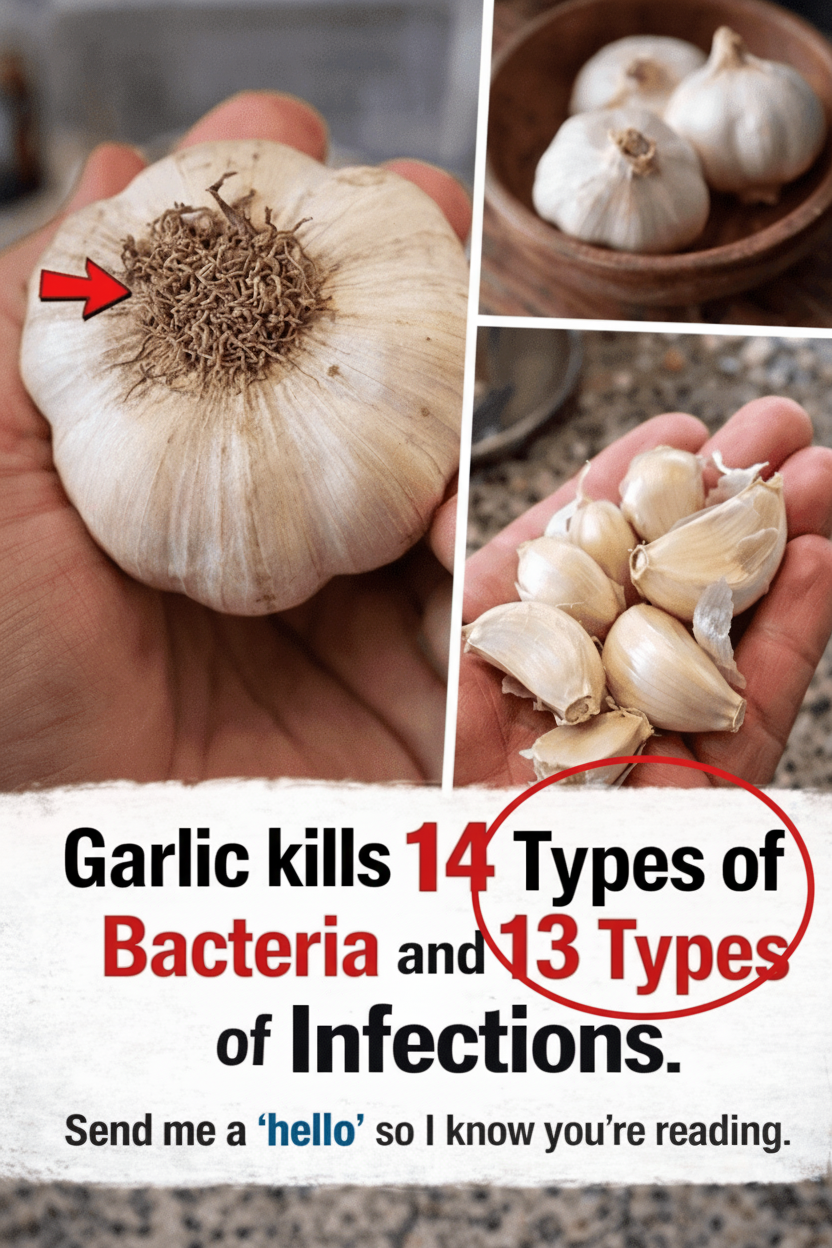
Garlic (Allium sativum) is far more than just a culinary enhancer; it’s a powerhouse of bioactive substances, particularly those rich in sulfur. The most renowned of these is allicin, a compound that forms when fresh garlic cloves are crushed or chopped. This chemical reaction occurs when the enzyme alliinase comes into contact with alliin, a precursor naturally present in the garlic bulb. Laboratory investigations and research have consistently demonstrated that allicin and related organosulfur compounds possess antimicrobial properties in controlled, test-tube environments. They achieve this by interacting with thiol groups in microbial enzymes, thereby potentially disrupting various bacterial processes.
Studies have explored garlic’s efficacy against a broad spectrum of microorganisms, including gram-positive and gram-negative bacteria, certain fungi, and even some viruses. Crucially, however, these promising effects are predominantly observed with fresh, raw, and crushed garlic. Cooked or processed forms tend to lose their allicin content rapidly due to its instability under heat. Yet, garlic’s influence extends beyond its direct antimicrobial capabilities…
It also holds potential for bolstering the body’s intrinsic immune responses.
How Garlic May Bolster Immune Function
Your immune system is a sophisticated network constantly working to maintain your body’s equilibrium, and certain dietary choices can offer gentle yet effective support. A growing body of research indicates that garlic may contribute to heightened immune cell activity. For instance, studies focusing on aged garlic extract (a stable, odorless form) have highlighted improvements in the functionality of natural killer (NK) cells and gamma-delta T cells—both crucial components in the body’s immune surveillance system.
In a notable human clinical trial conducted during the peak cold and flu season, participants consuming aged garlic extract reported experiencing fewer days of feeling unwell and exhibited less severe symptoms compared to those on a placebo, even if the total number of illnesses didn’t show a drastic reduction. Furthermore, other investigations suggest garlic’s involvement in moderating inflammatory responses and mitigating oxidative stress, both of which indirectly contribute to overall health. Compounds like allicin and its derivatives are believed to influence pathways that help regulate these vital immune functions. The key takeaway here is that while no single food acts as an impenetrable shield against illness, consistently incorporating garlic into your diet, especially alongside other healthy lifestyle choices, may foster a more resilient immune system.
Garlic’s Broader Contributions to Everyday Wellness
Beyond its well-known immune-supportive properties, garlic has been extensively researched for a wider array of health benefits:
- Cardiovascular Support: Numerous reviews indicate that regular garlic consumption can assist in maintaining healthy blood pressure and cholesterol levels in certain individuals. This is attributed to its sulfur compounds, which are thought to promote better circulation and diminish oxidative stress on blood vessel walls.
- Antioxidant Advantages: The organosulfur compounds found in garlic function as powerful antioxidants. They play a vital role in neutralizing free radicals, which are unstable molecules that contribute to cellular damage and the natural wear and tear on the body.
- Metabolic Health Benefits: Some studies connect consistent garlic intake with improved glucose regulation and a reduction in markers of inflammation. These positive effects tend to be more pronounced in individuals who integrate garlic into a balanced dietary regimen, rather than relying on it as a standalone solution.
To provide a clearer understanding, here’s a concise comparison of different garlic forms and their primary characteristics:
- Fresh Raw Garlic (crushed/chopped): Offers the highest potential for allicin formation; most effective for short-term antimicrobial actions observed in laboratory settings.
- Aged Garlic Extract: A stabilized, odorless form; extensively studied in human trials for its immune and cardiovascular benefits.
- Cooked Garlic: Features a milder flavor; retains some antioxidant compounds but significantly lower allicin content.
- Garlic Powder/Supplements: Convenient for use; potency can vary considerably based on processing and preparation methods.
Practical Ways to Integrate More Garlic into Your Daily Routine
Ready to harness the potential benefits of this incredible bulb? Here are some simple, actionable ways to incorporate more garlic into your daily meals:
- Mince into Dressings and Dips: Add finely minced raw garlic to salad dressings, hummus, or guacamole for a pungent kick and a dose of allicin.
- Sauté with Vegetables: Lightly sauté chopped garlic with your favorite vegetables, stir-fries, or pasta sauces. While cooking reduces allicin, it still contributes flavor and other beneficial compounds.
- Infuse Oils: Create your own garlic-infused olive oil for cooking or dipping bread. Just be sure to refrigerate and use it within a few days to prevent bacterial growth.
- Boost Soups and Stews: Include several cloves of crushed garlic in your homemade soups, stews, and broths for depth of flavor and added health support.
By understanding the different forms of garlic and their unique properties, you can make informed choices to best support your immune system and overall wellness. Whether fresh, aged, or lightly cooked, this humble bulb offers a rich tapestry of benefits, making it a truly versatile and valuable addition to a health-conscious lifestyle.