 By admin
 The Silent Strain: Understanding How Certain Supplements Can Affect Your Liver and Kidneys
Millions worldwide incorporate daily vitamins and supplements into their routines, driven by a belief in their power to enhance health, bridge nutritional gaps, and even combat the effects of aging. For many, this confidence is well-placed; when used judiciously, these products can indeed be valuable allies in maintaining well-being. However, a growing body of scientific evidence reveals a less publicized truth: a select group of popular supplements, particularly when consumed in excessive doses or over extended periods, can subtly yet significantly burden two of your body’s most diligent organs: the liver and the kidneys.
What makes this revelation particularly concerning is that many of these potentially problematic products are readily available, often marketed with appealing labels like “natural,” “safe,” and “essential.” The good news is that by fostering greater awareness, making informed choices, and practicing moderation, you can substantially mitigate these risks. This comprehensive guide will delve into the most frequently implicated culprits, elucidate the mechanisms behind their potential harm, and equip you with actionable strategies to safeguard your vital organs starting today.
The Liver and Kidneys: Your Body’s Unsung Detoxification Heroes
To appreciate the potential impact of supplements, it’s essential to understand the tireless work of your liver and kidneys. The liver functions as the body’s primary biochemical processing plant, meticulously breaking down nutrients, neutralizing toxins, and determining which substances are retained and which are expelled. Complementing this, your kidneys are sophisticated filtration systems, processing approximately 50 gallons of blood daily to remove waste products while carefully conserving water, electrolytes, and other indispensable compounds.
When you introduce concentrated vitamins, minerals, or herbal extracts into your system, both organs must intensify their efforts to metabolize and eliminate these compounds. While many water-soluble nutrients, such as Vitamin C and B vitamins, generally pass through the body with relative ease, fat-soluble nutrients (Vitamins A, D, E, K) and numerous complex herbal constituents can accumulate in tissues over weeks or months. Disturbingly, research published in prominent medical journals indicates that herbal and dietary supplements are now responsible for a substantial and increasing proportion of reported liver injury cases in the United States. The actual degree of stress imposed on these organs is influenced by a confluence of factors, including dosage, duration of use, product purity, individual genetic predispositions, pre-existing health conditions, and interactions with other medications.
Supplements Frequently Implicated in Liver Health Concerns
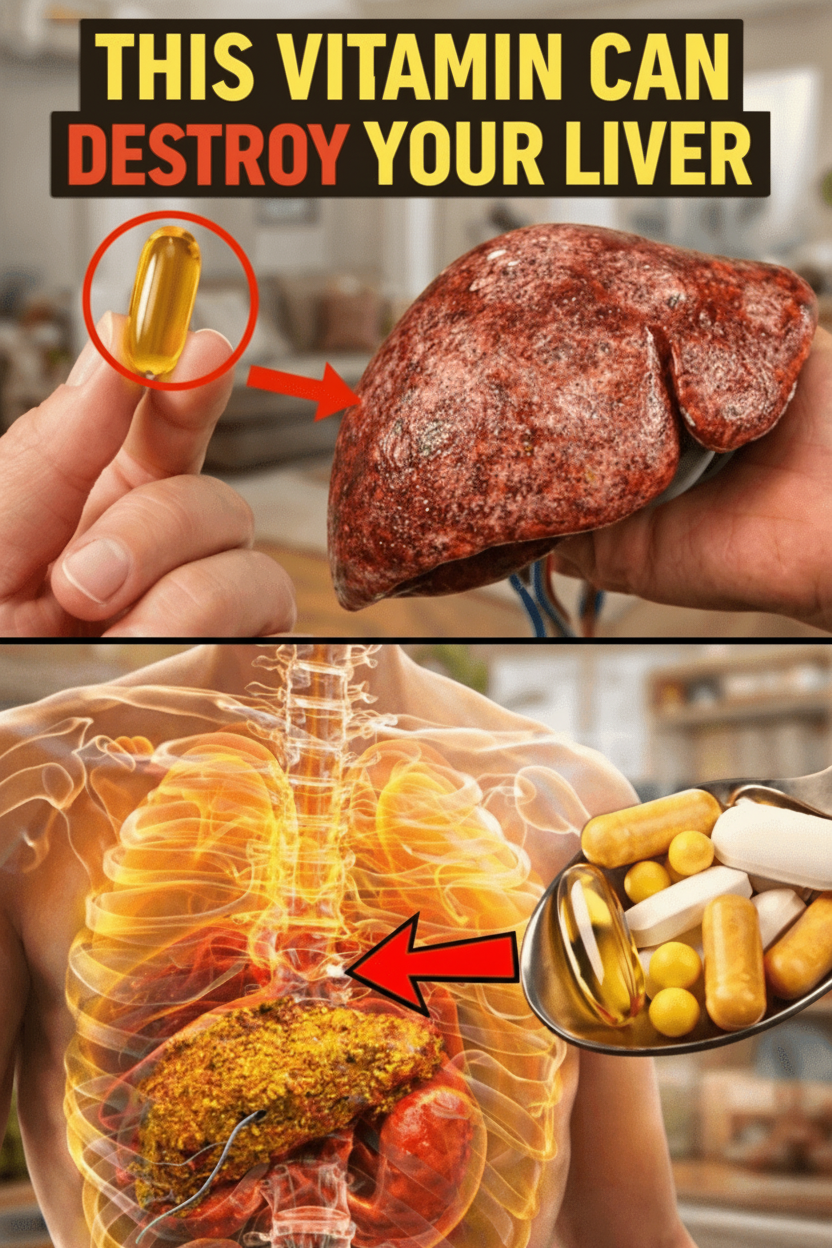
Certain supplements consistently appear in medical literature and liver safety databases due to their association with potential adverse effects. Below are some of the most commonly discussed:
- Green Tea Extract: While regular brewed green tea is widely recognized for its health benefits and rarely causes issues, highly concentrated capsules and powders—especially those delivering substantial amounts of epigallocatechin gallate (EGCG)—have been linked to sudden elevations in liver enzymes. In rare instances, these can progress to more severe liver damage.
- Turmeric / Curcumin Supplements: Turmeric spice is a safe culinary ingredient. However, highly concentrated curcumin formulations, particularly those engineered for enhanced bioavailability and absorption, have been associated with elevated liver enzyme levels in some individuals. This risk appears amplified with prolonged use or higher doses.
- Vitamin A (Retinol Forms): As a fat-soluble vitamin, Vitamin A (specifically in its retinol forms) is stored primarily in the liver. Consistent intake exceeding the recommended daily upper limit—often through supplemental forms rather than dietary sources—can lead to a gradual, insidious buildup and potential toxicity, known as hypervitaminosis A, which directly impacts liver function.
- High-Dose Niacin (Vitamin B3): Niacin, particularly in extended-release or very high doses sometimes prescribed to manage cholesterol levels, has a well-established history in medical literature of affecting liver function, ranging from transient enzyme elevations to more severe hepatotoxicity.
- Ashwagandha: This popular adaptogenic herb, widely embraced for its purported benefits in managing stress and improving sleep, has recently emerged in several case reports linking its use to potential liver-related reactions. The risk seems to be higher with long-term or high-dose supplementation.
- Black Cohosh: Commonly used to alleviate menopausal symptoms, Black Cohosh remains one of the herbal remedies most frequently cited in databases tracking supplement-related liver concerns, underscoring the need for careful consideration and medical oversight.
Supplements That Can Strain Kidney Function
The kidneys are particularly susceptible to substances that increase their filtration burden, disrupt delicate mineral balances, or promote the formation of crystals. Here are some supplements that warrant caution:
- Very High Doses of Vitamin C: While Vitamin C is vital for health, consuming very large supplemental amounts can significantly increase oxalate levels in the urine. This, in turn, elevates the risk of forming calcium oxalate kidney stones, especially in individuals already predisposed to stone formation.
- Excessive Calcium Supplements: When calcium supplements are taken in high quantities without adequate hydration or without proper balance with magnesium and Vitamin K2, they can contribute to the formation of kidney stones or, in susceptible individuals, promote vascular calcification, placing undue stress on renal health.
- Extremely High Doses of Vitamin D: Vitamin D is undeniably essential, and deficiency is widespread. However, megadoses, particularly when taken without medical supervision, can lead to dangerously high blood calcium levels (hypercalcemia). This sustained elevation in calcium can over time impose significant strain on the kidneys, potentially impairing their long-term function.
6 Practical Steps for Safer Supplement Use
The goal isn’t to abandon your supplements entirely, but rather to approach their use with greater intention and awareness. By adopting these straightforward habits, you can significantly reduce potential risks:
- Consult Your Healthcare Professional First: Always discuss your current supplement regimen, including dosages, with your doctor or pharmacist. This is especially crucial if you are taking prescription medications or manage any chronic health conditions, as interactions can occur.
- Adhere Strictly to Recommended Dosages: Resist the urge to exceed the suggested serving sizes. The “more is better” philosophy is often counterproductive and can drastically increase the risk of adverse effects on your liver and kidneys.
- Investigate Product Purity and Quality: Not all supplements are created equal. Opt for reputable brands that provide third-party testing verification for purity, potency, and absence of contaminants. Be wary of products making exaggerated claims.
- Be Skeptical of “Natural” Labels: The term “natural” does not automatically equate to “safe.” Many potent natural compounds can have significant physiological effects and potential side effects, just like pharmaceutical drugs.
- Monitor Your Body and Take Breaks: Pay close attention to how your body responds to supplements. If you experience any unusual symptoms (e.g., unexplained fatigue, nausea, dark urine, abdominal pain), discontinue use and consult a doctor immediately. Consider cycling off supplements periodically, especially those taken long-term.
- Stay Hydrated and Support Overall Organ Health: Adequate hydration is crucial for kidney function. Beyond supplements, prioritize a balanced diet rich in whole foods, maintain a healthy lifestyle, and avoid excessive alcohol consumption to support the overall health of your liver and kidneys.