 By admin
 For many, the promise of a peaceful night’s sleep is often disrupted by an insistent, uncomfortable urge to move their legs. What should be a time for rest can instead become a frustrating battle against involuntary sensations, leaving sleep feeling elusive. This experience is more than just tired muscles; it points to a complex neurological condition known as Restless Leg Syndrome (RLS). Throughout this article, we’ll delve into the nuances of RLS and unveil a surprisingly straightforward habit, often overlooked, that could significantly improve your nighttime comfort.
Understanding Restless Leg Syndrome and Its Nighttime Intensification
Restless Leg Syndrome (RLS), also referred to as Willis-Ekbom disease, is a neurological disorder characterized by an uncontrollable urge to move the legs, typically accompanied by uncomfortable sensations. These sensations are frequently described as crawling, tingling, pulling, aching, or an internal restlessness. While RLS can occur at any time, its symptoms most commonly surface or worsen during periods of inactivity, particularly in the evening or at night.
The perplexing aspect for many is why these sensations peak after sunset. During the day, constant movement often helps to keep symptoms at bay. However, as the body transitions into its rest phase at night, the nervous system shifts gears, and these underlying neurological signals can become more pronounced. Furthermore, scientific research indicates that changes in brain chemistry and natural circadian rhythms may contribute to this nocturnal escalation, explaining why simply lying down can feel far more uncomfortable than being active.
Beyond Muscular Discomfort: A Neurological Perspective
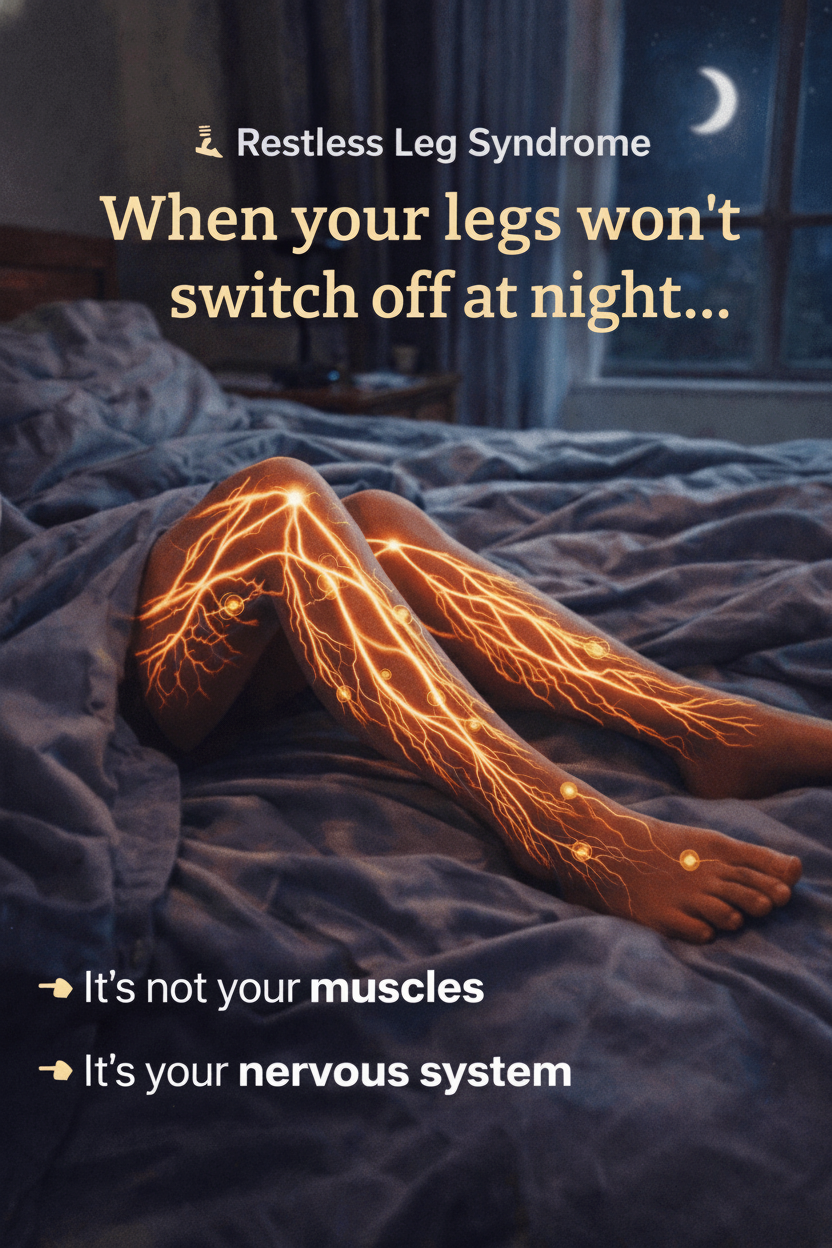
It’s common for individuals to attribute their leg discomfort to muscle fatigue or tension, leading them to stretch or massage their legs for relief. While temporary movement can offer a brief respite, the root cause of RLS lies not in the muscles themselves but in the intricate communication between the brain and nerves. Studies published in leading sleep and neurology journals consistently highlight RLS as a disorder related to how the nervous system processes sensory information, rather than a problem of muscle damage or weakness.
To put it simply, imagine your muscles are perfectly capable, but the internal signal instructing them to remain calm and still isn’t always clear or consistently delivered, especially during the quiet hours of the night.
Common Factors That May Exacerbate RLS Symptoms
Identifying potential triggers can be a crucial step toward managing nighttime leg discomfort. While individual experiences vary, several factors are frequently reported to intensify RLS symptoms:
- **Extended periods of inactivity:** Prolonged sitting or lying still, such as during long car rides or movie watching.
- **Inconsistent sleep schedule:** Irregular bedtimes and wake-up times can disrupt the body’s natural rhythms.
- **Evening stress or mental overload:** High levels of psychological stress or intense mental activity late in the day.
- **Excessive caffeine intake:** Consuming coffee, tea, or energy drinks, especially in the late afternoon or evening.
- **Lower iron levels:** Some research suggests a link between low iron stores (even within the normal range) and RLS severity.
It’s worth noting that seemingly minor daily habits often hold more influence than people realize. Adjusting these routines can sometimes lead to a noticeable reduction in the intensity of restless leg sensations.
The Nervous System’s Role in Nighttime Restlessness
Our nervous system functions as the body’s central communication network, transmitting signals between the brain and every part of the body. As evening progresses, this system naturally transitions into a mode preparatory for rest and sleep. For individuals experiencing restless leg sensations, this shift can unfortunately coincide with heightened discomfort.
Researchers believe that dopamine pathways, which are vital for regulating movement and sensation, play a significant role in RLS. When these pathways exhibit reduced activity during the night, symptoms of RLS may become more prominent. However, this doesn’t imply a permanent malfunction; rather, it suggests that the nervous system may require additional support and gentle cues during specific hours to maintain comfort.
Gentle Evening Habits to Foster Leg Comfort and Better Sleep
Many readers are eager for practical strategies to alleviate RLS symptoms. The following habits are not medical treatments but rather lifestyle adjustments frequently recommended by sleep and wellness experts to support overall leg comfort and sleep quality. Always consult a healthcare professional for personalized medical advice.
1. Cultivating a Soothing Evening Ritual
Establishing a consistent, calming routine signals to your nervous system that it’s time to wind down, promoting a sense of safety and predictability.
- Strive for regular sleep and wake times daily, even on weekends.
- Dim the lights in your home approximately one hour before your intended bedtime.
- Avoid exposure to stimulating screens (phones, tablets, computers, bright TVs) in the hour leading up to sleep.
2. Incorporating Light Pre-Sleep Movement
Gentle physical activity can be beneficial, provided it doesn’t overstimulate your body. The aim is relaxation, not strenuous exercise.
- Engage in a slow, leisurely walk for five to ten minutes before heading to bed.
- Perform gentle leg stretches while seated or lying down.
- Practice simple ankle circles or calf raises to encourage blood flow without exertion.
3. Mindful Dietary and Hydration Choices
What you consume, especially in the latter part of the day, can significantly impact your nighttime comfort.
- Limit or eliminate caffeine intake after early afternoon.
- Avoid heavy, rich meals close to bedtime, which can disrupt digestion.
- Maintain adequate hydration throughout the entire day.
- Given that some studies link iron balance to RLS, discussing your nutritional intake and potential iron supplementation with a healthcare professional may be beneficial.
4. Embracing Sensory Comfort Techniques
These simple sensory cues can often provide small but meaningful relief by calming the signals in your legs.
- Indulge in a warm bath or a soothing foot soak before bedtime.
- Opt for soft, breathable bedding and loose-fitting sleepwear.
- Consider the gentle, reassuring pressure of a light blanket or compression socks (if comfortable).
While many focus exclusively on evening interventions, a crucial, often-overlooked habit during the daytime can quietly influence how calm your legs feel after dark. This powerful insight lies in maintaining consistent, moderate physical activity throughout your day. Regular, non-strenuous movement helps regulate your nervous system and can reduce the buildup of tension that might otherwise manifest as restlessness at night. By integrating these gentle, holistic habits—both day and night—you can actively support your body’s natural rhythms and enhance your journey towards more peaceful sleep comfort.