 By admin
 6 Subtle Body Signals You Shouldn’t Ignore: Early Warnings Your Body Sends
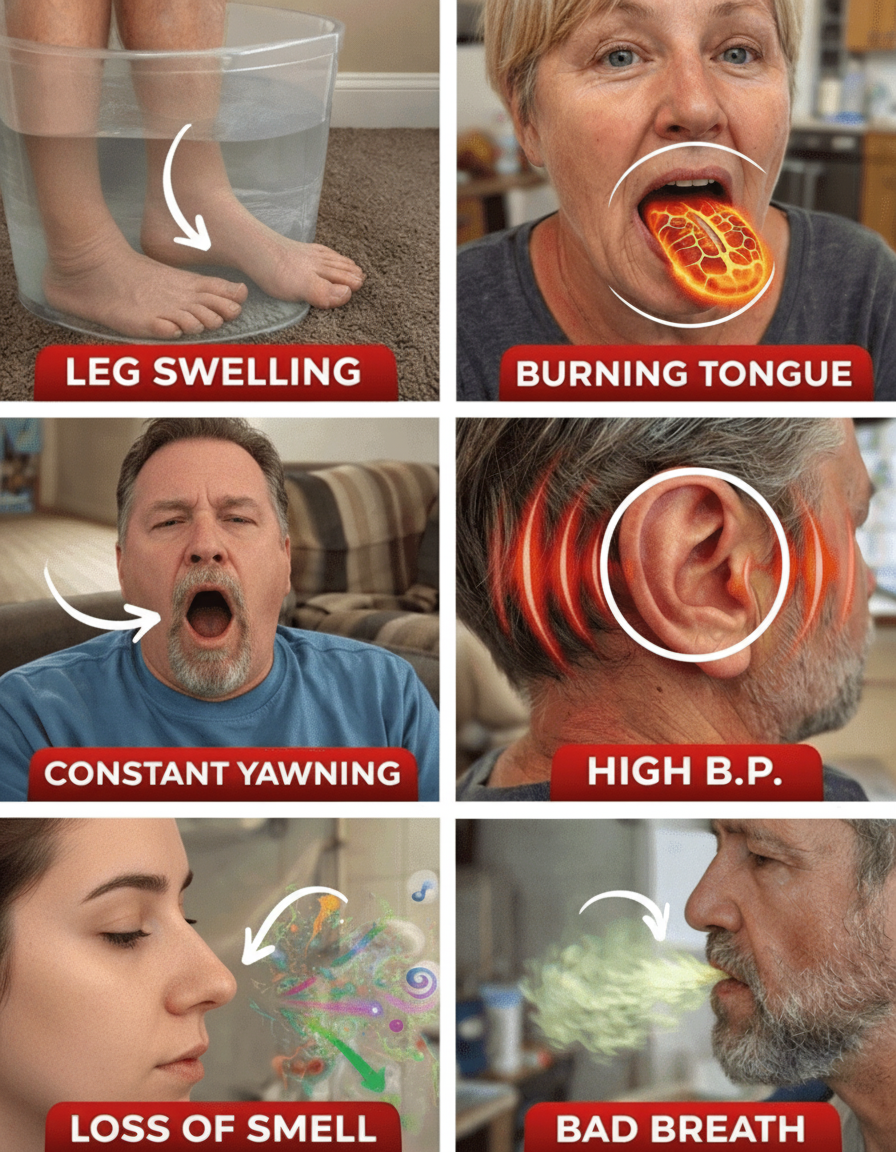
Do you often find your legs feeling swollen after a long day, or notice persistent yawning even after adequate rest? It’s easy to dismiss these common experiences as minor annoyances or typical signs of aging or fatigue. However, your body possesses an intricate communication system, often sending discreet messages when something internally requires attention. Overlooking these subtle cues can unfortunately allow minor health concerns to escalate into more significant problems. The positive news is that early recognition and proactive adjustments can profoundly impact your well-being. This guide will delve into six frequently encountered body signals, explore their potential underlying causes, and provide immediate, actionable steps you can implement.
Understanding Your Body’s Language: Why These Signals Matter
Your body engages in continuous communication, manifesting symptoms that span from mild to distinctly noticeable. Research consistently demonstrates that vigilance towards changes, such as unexpected swelling or unusual sensations, can be crucial for identifying potential concerns related to organ health, nutrient imbalances, or circulatory problems before they advance. Although these signs don’t always point to a grave illness, they frequently link back to daily influences like diet, lifestyle, or underlying conditions that often improve with appropriate adjustments. To gain a clearer perspective, let’s now delve into each specific signal, equipping you to recognize them in your own routine.
1. Persistent Swelling in Legs, Ankles, or Feet
While experiencing some puffiness in your lower extremities after extended periods of standing might seem normal, particularly if it leaves an indentation when pressed, persistent or escalating swelling warrants attention. Such a condition, known as edema, can often be linked to your kidneys’ efficiency in regulating fluid balance within the body. Reputable health organizations, including the Mayo Clinic, emphasize the critical role of healthy kidney function in averting the accumulation of excess fluid in bodily tissues, especially in the lower limbs where gravity’s effects are most pronounced.
Immediate Steps to Consider:
- Elevate Your Legs: Position your legs above heart level for 15-20 minutes, several times daily.
- Reduce Sodium Intake: Minimize salt consumption to assist in mitigating fluid retention.
- Maintain Activity: Engage in light activities like walking to enhance blood circulation.
- Monitor Changes: Observe whether the swelling diminishes with rest or progresses over time.
- Consult a Professional: If the swelling continues or causes concern, consult a healthcare provider to investigate and exclude other potential causes such as cardiac or venous conditions.
2. Lingering Burning or Tingling Sensation on Your Tongue
An unusual burning or tingling sensation on your tongue can initially be attributed to consuming spicy foods or minor oral irritations. However, if this discomfort persists without any clear external trigger, it may signal insufficient levels of specific B vitamins. These essential vitamins are vital for maintaining nerve health and facilitating tissue repair within the oral cavity. Studies, including comprehensive reviews from institutions like the Cleveland Clinic, underscore the significant impact B vitamin deficiencies can have on various oral sensations.
Practical Actions to Take:
- Boost B Vitamin Intake: Incorporate more foods rich in B vitamins into your diet, such as dark leafy greens, eggs, lean protein sources, or fortified breakfast cereals.
- Ensure Hydration: Keep your mouth adequately hydrated, as dryness can intensify the burning sensation.
- Temporary Dietary Adjustments: Briefly avoid extremely hot or highly acidic foods to allow your tongue to recover.
- Seek Medical Advice: While a well-rounded diet often provides relief, a medical examination can determine if vitamin supplements are necessary and should be taken under professional supervision.
3. Unexplained, Frequent Yawning Despite Adequate Rest
While yawning is a natural response to tiredness, experiencing persistent and frequent yawns throughout the day, even after a full night’s sleep, can be perplexing and irritating. Certain health professionals propose that this phenomenon could be the body’s attempt to enhance oxygen intake or to regulate brain temperature. Although not always a direct indicator of critically low oxygen levels, excessive yawning can occasionally be associated with specific breathing patterns or underlying conditions that influence oxygen circulation, as indicated by various health research.
Simple Habits to Adopt:
- Incorporate Deep Breathing: Perform deep breathing exercises multiple times each day.
- Improve Posture: Maintain good posture to help optimize the opening of your respiratory passages.
- Seek Fresh Air: Step outside or move to a better-ventilated area if you are in a confined or stuffy environment.
- Consult Your Physician: If persistent yawning is accompanied by unusual fatigue or other concerning symptoms, it is advisable to discuss this with a doctor for a comprehensive evaluation.
4. Persistent Ringing or Buzzing in the Ears (Tinnitus)
The experience of a continuous ringing, buzzing, or whooshing sound in one or both ears, medically termed tinnitus, can be profoundly disruptive and unsettling. Elevated blood pressure is sometimes a contributing factor, as it can influence blood flow dynamics in the vicinity of the ears, a point frequently highlighted by reputable health platforms such as Healthline and the Mayo Clinic. Specifically, pulsatile tinnitus – where the sound synchronizes with your heartbeat – is often closely linked to underlying vascular issues.
Strategies for Home Management:
- Stress Reduction: Employ relaxation methods, such as mindfulness meditation, to manage stress effectively.
- Dietary Adjustments: If high blood pressure is a factor, consider moderating your intake of caffeine and sodium.
- Hearing Protection: Safeguard your ears from exposure to excessively loud environments or noises.
- Medical Consultation: Regular monitoring of your blood pressure and a discussion with a healthcare professional regarding persistent tinnitus can offer valuable insights and guidance.
5. Unexpected Changes or Loss of Smell and Taste
If you’ve started noticing that foods taste bland, or familiar scents appear faint or completely absent, it’s a signal worth noting. While such sensory alterations are commonly associated with temporary conditions like colds, flu, or seasonal allergies, persistent or unexplained changes can sometimes indicate a deficiency in zinc. This essential trace mineral is crucial for maintaining optimal sensory function, particularly taste and smell receptors.
Recommended Actions:
- Increase Zinc Intake: Incorporate zinc-rich foods into your diet, such as lean red meat, poultry, beans, nuts, and whole grains.
- Address Underlying Issues: If cold or allergy symptoms are present, manage them appropriately.
- Avoid Irritants: Refrain from smoking or exposure to harsh chemicals that can impair these senses.
- Consult a Doctor: Persistent or sudden loss of these senses, especially without an obvious cause, should prompt a medical evaluation to rule out other conditions, including neurological concerns or specific infections.
6. Persistent Dry Mouth (Xerostomia)
Experiencing a constant dry sensation in your mouth, often accompanied by a sticky feeling, difficulty swallowing, or frequent thirst, is known as xerostomia. While it can be a temporary side effect of certain medications, dehydration, or simply nerves, persistent dry mouth can signal more significant underlying issues. It can impact oral health, leading to increased risk of cavities and gum disease, and may also be a symptom of autoimmune disorders or nerve damage.
Steps to Alleviate and Address:
- Stay Hydrated: Drink plenty of water throughout the day to keep your mouth moist.
- Stimulate Saliva Flow: Chew sugar-free gum or suck on sugar-free candies to encourage saliva production.
- Avoid Irritants: Limit caffeine, alcohol, and tobacco, as these can exacerbate dryness.
- Use a Humidifier: Especially at night, a humidifier can add moisture to the air.
- Discuss Medications: Review your current medications with your doctor, as some might contribute to dry mouth.
- Dental Check-up: Regular dental visits are crucial to manage potential oral health consequences.
- Seek Medical Advice: If dry mouth persists despite home remedies, consult your healthcare provider to investigate potential systemic causes.
Listen to Your Body’s Whispers
Your body is an incredible communicator, and these subtle signals are its way of nudging you to pay closer attention to your health. Rather than dismissing these seemingly minor symptoms, consider them valuable clues. By being proactive, understanding what your body is trying to tell you, and seeking professional advice when necessary, you empower yourself to maintain optimal health and well-being. Don’t wait for whispers to turn into shouts – prioritize your health today.